The gender pay gaps of 500 organisations who have published their 2023 reports has revealed an overall average mean gender pay gap of 11.2%.
The analysis by Citris Rewards Consulting shows a drop from the 12.3% reported by the same organisations the previous year.
The data indicates that progress has been made over the course of the year to reduce pay gaps, with the average pay gap falling by 1.1%.
"Whilst small in the context of the size of the overall pay gap, this is a positive development," said Oliver Coakley, Managing Director of Citris Rewards Consulting.
"It demonstrates the positive impact which greater levels of pay transparency and disclosure is intended to create," he added.
The report shows that almost all industry sectors have made progress over the past year.
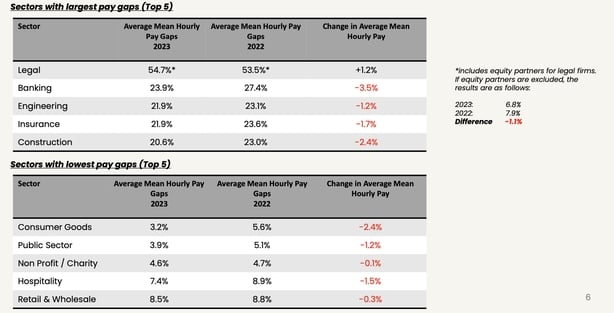
The exception to this is the legal sector, where the average mean gender pay gap, including equity partners, has increased from 53.5% in 2022 to 54.7% in 2023.
The analysis shows a 1.2% reduction in pay gaps across public sector organisations, and a 1% reduction in private sector organisations.
Whilst this is an encouraging trend, the report states that this is against a backdrop where the average pay of men is still greater than the average pay of women at 86% of organisations.
The data shows significant variations across sectors.
Along with the legal sector, the highest gaps are in the banking sector at 23.9%, and engineering and insurance which are both at 21.9%.
The lowest gender pay gaps were recorded in the consumer goods sector at 3.2%, public sector at 3.9%, charities at 4.6%, hospitality at 7.4% and retail at 8.5%.
At Ireland's largest listed companies, as represented by the ISEQ 20, the gender pay gap is greater than across the broader private sector at 18.6% versus 12.9%.
"Whilst companies can significantly reduce gender pay gaps with very specific and targeted actions, a much broader approach is needed to tackle some of the underlying societal factors," said Mr Coakley.
"This will require the collaboration of all relevant stakeholders, including businesses, their representative bodies, educational institutions and government," he added.
Today's data shows that the pay gap has reduced in 60% of the organisations included in the Citris analysis but it has increased or is unchanged in the remaining 40% of organisations.
Almost 20% of the organisations have a gender pay gap of 20% or more, while 15 have a gender pay gap above 40% - mainly in the legal, financial and construction sectors.