


China's registered urban unemployment rate fell below 4% for the first time in years, in a hopeful sign slower economic growth is not creating the massive unemployment Beijing fears will sow social instability.
China's social security ministry said today that 3.34 million new jobs were created in the first quarter.
The registered urban unemployment rate was 3.97% at the end of the first quarter, the Ministry of Human Resources and Social Security said.
China has kept employment generally stable despite economic growth slowing to a 26-year low and the government shuts down outdated industrial capacity.
However, many analysts say the official figure is an unreliable indicator of nationwide employment conditions.
On an annual basis, the official unemployment rate was last below 4% in 2001, when it was 3.6%, according to data from the National Bureau of Statistics.
The jobless rate ended 2016 at 4.02% after not budging from 4.1% from 2010-2015.
China's leadership has touted strong jobs growth even as the economy enters a "new normal" of slower growth.
Premier Li Keqiang said in March that China added 13.14 million new urban jobs in 2016 and aims to add another 11 million this year while keeping the registered unemployment rate below 4.5%.
That target seems safe, as China's official unemployment rate - which only accounts for urban, registered residents, and not including rural and migrant workers - last topped 4.5% 37 years ago in 1980 when it was 4.9%.
There are, however, signs of employment challenges in some sectors of the economy.
China would need to resettle about half a million workers that lose jobs in the coal and steel sectors this year and will speed up development of a "black list" system for firms with wage arrears.

China's cabinet said last week that risks of mass unemployment in some regions and sectors have increased and pledged more fiscal and monetary policy support to address the potential rise in the jobless rate.
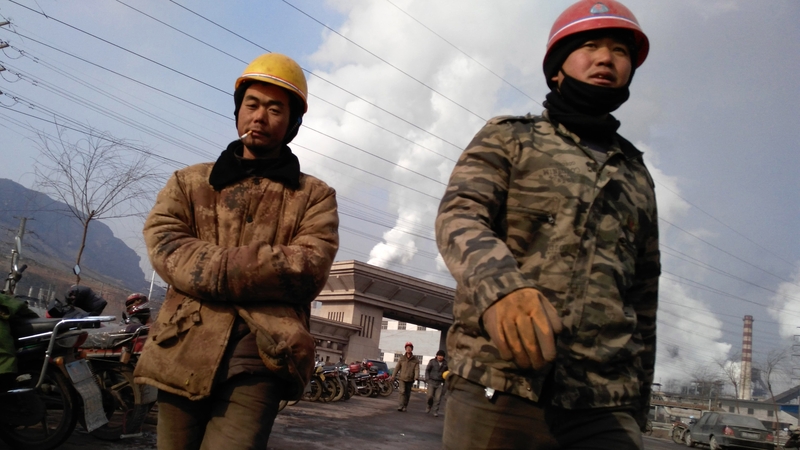
Workers in China's northern industrial centres have complained of being underemployed and underpaid, though not technically unemployed, as their previous well-paying jobs have gone away during economic restructuring.
A private manufacturing survey of Chinese companies by IHS Markit and Caixin have shown a mixed employment picture, with factories still shedding jobs, but at a slower pace, while services companies have been adding workers since mid-2016.
A survey-based unemployment rate published by the statistics bureau had fallen slightly over the past year to under 5% at the end of March.
