


BIG DAY FOR EURO ZONE AND UK ECONOMIES - Today is possibly the biggest day in a long time for the future of the euro as euro zone finance ministers meet to beef up the fire power of the European Financial Stability Facility. The ministers are also likely to approve the next tranche of emergency loans for Ireland and Greece. Detailed guidelines for the EFSF are said to be ready for approval by the ministers, opening the way for new operations and multiplying the fund's effective size. The guidelines should clear the way for the €440 billion facility to attract cash from private and public investors in coming weeks. The bail-out fund will also be able to offer partial protection for private investors on their purchases of euro zone sovereign bonds, like those of Spain or Italy, at primary auctions, boosting demand and lowering sovereign funding costs.
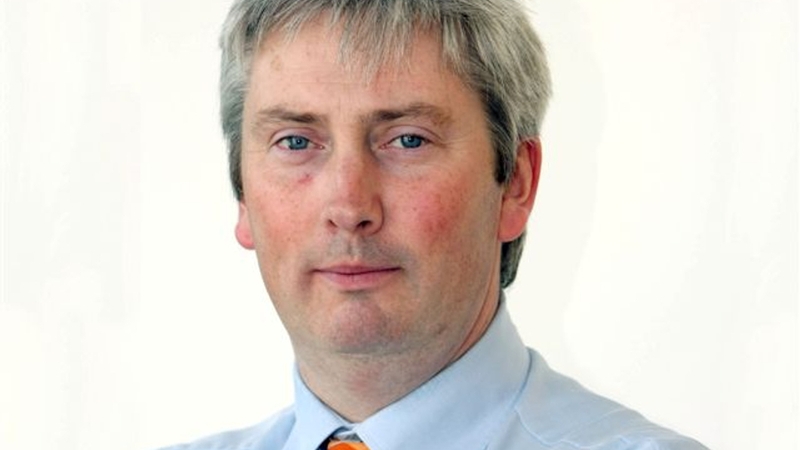
Chief currency strategist at BNY Mellon in London, Simon Derrick, says it is good news that we are finally getting agreement on an enlarged EFSF, but cautions that there are already worries that the new fund will simply not be big enough to deal with the ever spreading crisis with most concern centred around Italy. He says the fund will effectively guarantee €0.25 trillion - a very small amount especially when you consider the size of Italy's debts. Mr Derrick says one solution to the crisis would be for Germany to sacrifice its ratings and borrowing costs and start to lend to other nations. However, he says this probably will not happen as it would be a change of direction of 25 years of German policy. He also says the ECB could turn on the printing presses, but says that could result in the bank being swamped in a tidal wave of requests.
Meanwhile, Britain's chancellor, George Osborne will deliver his autumn statement today amid concerns for Britain's economy - also our biggest trading partner. Mr Derrick says the UK economic outlook will be downgraded to bring it in line with outside forecasts, including that of the OECD. He predicts that UK spending will continue to be constrained, if not reduced further. The Bank of England will have to be the big player in the UK economy and that will mean more quantitative easing, he predicts. He says that sterling is going to remain very competitively priced, which means that prices will remain lower in the North than in the Republic and Irish exports to the UK will also be more expensive.
