


IRELAND 'STILL A HIGH-COST COUNTRY' - Ireland remains an expensive country to do business, while falling investment and a shortage of credit weaken Ireland's ability to compete in world markets, according to a new report from the National Competitiveness Council.
The council, which reports to the Taoiseach, has identified a number of key areas - including standards of education amongst schoolgoers, high property costs, high legal costs, and productivity levels.
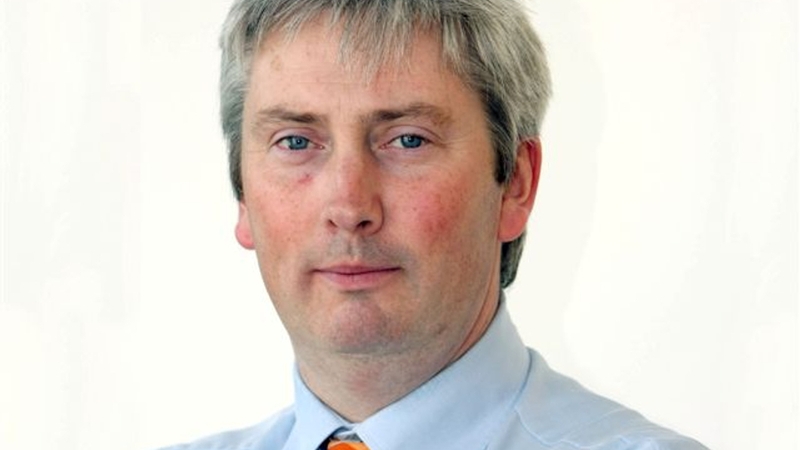
The chairman of the National Competitiveness Council, Dr Don Thornhill, said competitiveness was generally improving. He said exports are the one bright spot in the economy - including in indigenous industries such as the food sector.
But Dr Thornhill said that, although costs were coming down, Ireland was still a high-cost economy.
He said Ireland was still weak on broadband, despite recent progress. He added that broadband speeds in Ireland were generally slower than in other countries, while its higher speeds were more expensive.
Dr Thornhill said legal costs were steady or rising, in contrast to the costs of other services. He added that - as there were reports of high unemployment among young solicitors - it was clear that market was not working properly.
He said we had a good education system, but a decline in levels of literacy, numeracy and mathematics was worrying. Dr Thornhill said primary students spent long days in school, but had a shorter school year, whereas international studies showed that the opposite brought the best results.
***
CURRENCIES AND MARKETS - On the currency markets, the euro is worth $1.4059 and 87.44p sterling.
Tokyo stocks closed at a two-year low this morning on rekindled worries over euro zone debt.
The Nikkei-225 index at the Tokyo Stock Exchange closed down 2.2%, falling 194 points to 8,591.
