


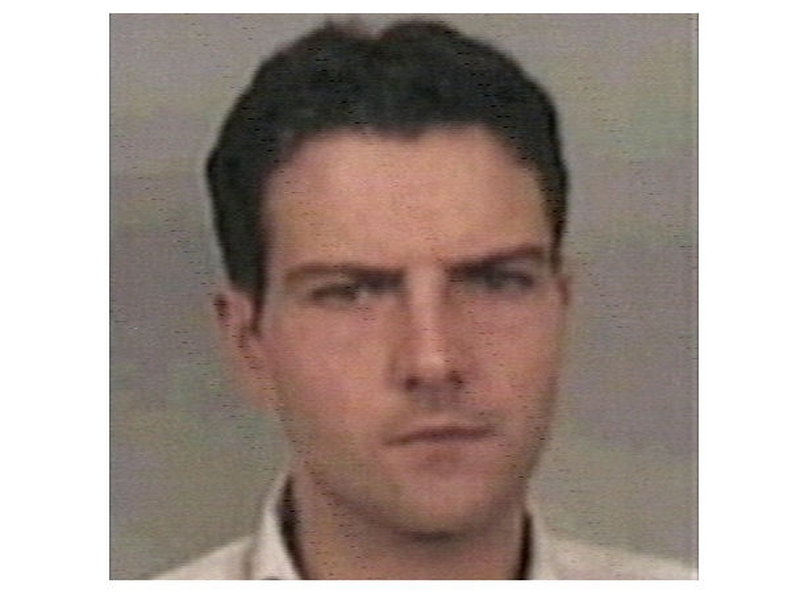
Alleged rogue trader Jerome Kerviel, accused of losing his bank €4.9 billion, has blamed his bosses in an emotional radio interview ahead of his probable trial.
Speaking publicly for the first time since the end of the investigation into the Societe Generale scandal, Kerviel insisted that he could not have gambled away so much without his superiors' knowledge.
'Everything was visible. I took my positions in front of everyone, in front of managers. I wanted to earn money for my bank, all my operations were seen, monitored and controlled,' he said on French radio.
'Do you honestly believe a €15 billion operation could go unnoticed and that the bank would ask no questions? For my part, I wasn't hiding myself. I was at the middle of the desk and everyone could see me work,' he said.
Societe Generale's lawyer Jean Veil rejected this defence out of hand. 'He reminds me of a child who lies all the time, who does not want to accept responsibility for anything,' Veil said. 'It's always someone else's fault, whether it's the judge, Societe Generale, management, the lawyers. It's never him. The reality is that what he did was hidden, very cleverly and deliberately hidden,' he added.
Kerviel and his former assistant, Thomas Mougard, are expected to face trial over charges that they concealed a series of risky derivatives trades from his bosses and ending up exposing SocGen to massive losses.
At the time, Kerviel's losses amounted to one of the biggest rogue trading scandals in history and shook confidence in French banks, but many banks have since written off far greater sums following the sub-prime debt meltdown.
The judges have concluded their enquiry, and state prosecutors are studying their report before deciding whether or not to recommend that the 32-year-old go to court.
Kerviel is accused of breach of trust, fabricating documents and illegally accessing computers. Mougard, 24, was charged last year with 'complicity in introducing false data into a computer system'.
The bank - which is suing its former employee - denies Kerviel's claims that managers knew of his trades, and the judges signalled during their investigation that they regarded Kerviel as an unreliable witness.
Kerviel also alleged that other SocGen traders also broke the bank's rules designed to prevent excessive risk, although he said he would not betray his former colleagues by naming them.
Kerviel admitted that he had made some 'stupid mistakes' but said his supervisors had encouraged him and bragged that on a good day he could make up to €1m in profit for the firm through his trading.
