

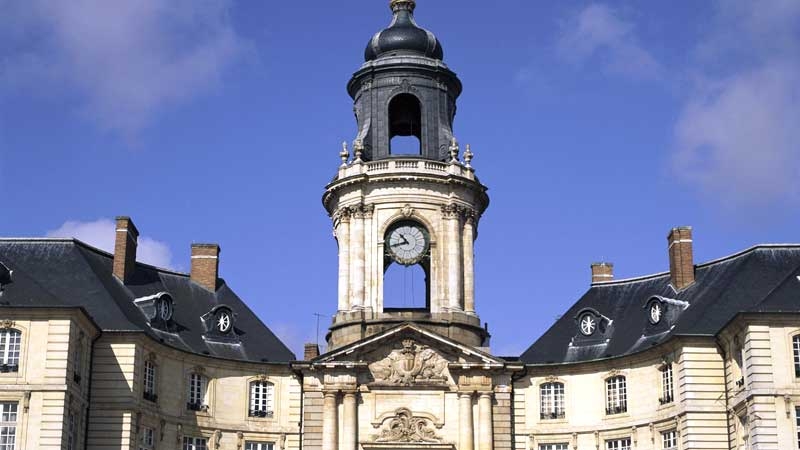
Brittany, Bretagne, or Breizh, in whatever label it comes, remains our favourite campsite destination, and it is not just because it is close to the ferry terminal. The Failtiudd signs along the roadside are just the first indicator of the welcome the province wants to convey.
It is easily found, heading west after the prerequisite visit to Mont St Michel.
The roads have improved access from the Irish Ferries destination of Cherbourg, with St Lo now bypassed, and you have a motorway to Rennes or St Brieuc.
But this takes you away from the treasures of the coastline such as the big town of Dinard which transforms from busy port to a second empire beach destination with the turn of a street corner or Ploubalay and, a particular favourite of your correspondent, St Cast.
Campers will find the haven of Le Chatelet on a cliff-top. It is one of the most beautiful of the 400 or so serviced campsites frequented by Irish visitors, a citadel of modern convenience, looking out on the more traditional garrison point of Fort Latte, a draw-bridged outcrop guarding this coastline since the time of Joan of Arc.
The beaches below Le Chatelet, Pisotte and Fresnaye peek alluringly below a cliff-top path and are reached by briary pathways. It is a refreshing climb, 120 steps down and back up again, into thrashing ocean that changes its colour and its seascape by the hour.
The tide here is one of the highest in the world, and it transforms the coastline into moon-craters twice a day. Beware of that long walk out to the pools. According to the great Breton epic poems it comes in faster than a knight on horseback.
The traditional long sand beaches of the Côte d'Azur seem a long way away here, but in fact the more familiar Plage de la Mare can be reached by a cliff path stroll where you meet mussel men launching their boats.
Another few kilometres across the headline brings you to the main town and its sandcastle and carousel flat beach, advancing more carefully as children scamper to protect their latest works of engineering.
The town has a sea promenade and small family run hotels that are precariously close to the tide. In summer time it comes to life with an array of cheap restaurants with restaurateurs plying their trade in the back streets between the promenade and the square where the tourist office can be found.
Food here is cheap and the range of menus stunning, in addition to the gastronomic imports from the south there is a Breton specialty, the gallette, made with white or black corn and filled with an astonishing array of local culinary delights. You will never look at a pancake the same way again. The cider they offer to wash it down is straight from a local farm.
In Rennes, the regional capital, Jean Gabriel Daumait serves a dozen snails in a delicious buckwheat-black gallette.
The Creperie des Portes Mordelaises has been serving customers since 1951, and the 100-year-old open fire where they were first cooked still decorates the dining room.
Breton history beckons you out into a pokey street between the cathedral and the Portes Mordelaises of the title, a gate complete with medieval archers’ holes, chain and drawbridge over a long dried moat.
Rennes cathedral is no Rouen but you get the sense just as much happened here since its pre-Christian days as a Celtic temple.
The town burned in 1720 and sadly the major surviving historical artefact, the Breton parliament from the days of independence in the 16th century, was also destroyed by fire in 1994.
The cathedral survived until the 1760s when it was torn down due to structural faults. Just as they were rebuilding a group of peasants came running through shouting liberte, egalite and an end to expensive infrastructural projects such as Romanesque cathedrals.
The later cathedral was not finished until 1881, and stands testament to the mixture of peculiar tastes of France’s last century of empire.
More spiritual, darker, and dedicated to the miraculous, San Saviour Church is a few paces away through the timber framed streets.
The northern coastline has seen the Breton language reappear in recent years on pub signs and tourist offices. A quest for books in Breton in several northern shops unfortunately went unrewarded.
Each village has Celtic musical nights and Dave Spillane and Moya Ní Bhraonain are regular concert visitors.
Old habits die harder than elsewhere in France. The pilgrimages, or ‘pardons’, at Locronan, Josselin, and Ste Anne d'Auray resemble old Ireland.
A more identifiable pilgrimage by Irish speakers and music lovers, heads off each year to a growing number of Celtic language and music festivals.
You can see the attraction. This is France with a difference, a little less boisterous, a little cheaper, and just as importantly, close to the wine-laden ferry home.
* In Rennes check out Creperie des Portes Mordelaises Farines Biologiques Bretagnes 6 Rue des Portes Mordelaises 35000. Phone: Rennes 029 930 5740.
* Canvas Holidays has mobile home and tent encampments on Le Chatelet. See www.canvasholidays.co.uk or your local travel agent.
* Irish Ferries sailings to Cherbourg operate from early spring to December and fares have been cut to reflect the new cost base of the company. See www.irishferries.ie.
