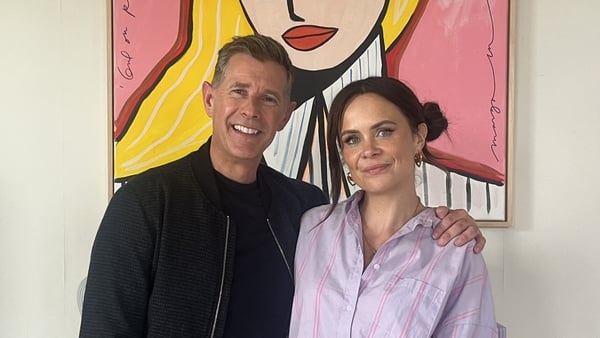

Charlotte Ryan speaks to Brazilian cook Giselle Makinde about her winding route to settling in Ireland, nostalgia and rediscovering connection to your home through food.
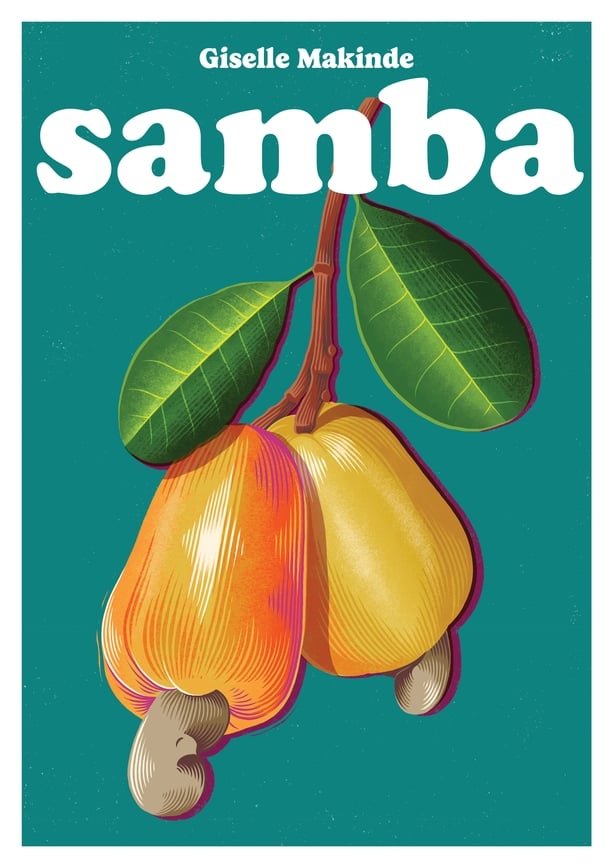
Flicking through the Technicolour pages of Samba, Makinde's cookbook of Brazilian food, it's easy to see it as a tribute to the vibrant communities of that vast country.
But for the Brazilian cook, her experience of writing the book was almost an exercise in writing her way back into her community.
Having left Brazil eight years ago in a period of intense personal upheaval, and finding a new life in Ireland, Samba reads more like a homecoming for Makinde, whose story will resonate with anyone who has had to leave a life behind in the hope of something better.
"I was not so tied at home", Makinde tells me when we speak. "Like many Brazilians, when you decide to leave the country, it's because your life is not going well."
"I had a nice house in a nice place. And you know, the dream that you build, you're going to get married, have a kid and have a house. I had that. But my life was not going well."
In 2016, in a particularly challenging economic period in Brazil, Makinde's husband lost his mother and father within six months, a shock that left him extraordinarily depressed. In the meantime, he also lost his job and couldn't find a replacement.
Together the couple, with their eight-year-old son, decided to move away from Brazil. "I was like, it's either we move out of the country or I get divorced because it was unbearable, the situation", Makinde recalls.
With the money from the sale of her parents-in-laws' home, the family first planned to move to Canada, but their visa applications were rejected twice. Then, Makinde looked into Ireland. "Literally, I knew nothing about Ireland", she recalls.
Makinde flew to Dublin ahead of her son and husband - who would eventually fly to Italy to apply for citizenship - landing a job in Malahide and devoting all of her time to studying and working. "I was going to school in the morning, leaving at 12, going to the restaurant and working until 12 o'clock and then doing this every single day. I think I lost 10 kilos in the first month I was here."
Soon the family were reunited and settled in Dublin together, building a new home. Her feelings then, as now, about her home country were complicated:
"I cannot say that I miss Brazil at that stage or even now. So it was kind of relief because when I left, it was I was such in a bad - emotionally, mentally - place when I look at the apartment and I compare with the house that I was leaving, you know, with the swimming pool, etc., and I was like, I wouldn't swap everything that I have here now for the life that I had in Brazil."
Thousands of Brazilians have made a version of the same move as Makinde to Ireland over the last few decades. According to the 2022 census of Ireland, 27,338 Brazilians reside in Ireland, an enormous increase on the 2002 census, which reported 1,232 Brazilians living in the country.
In fact, the community could be far larger than even the 2022 numbers: the Brazilian Embassy in Ireland estimates the actual figures of Brazilians living in Ireland today to sit closer to 60,000 to 70,000.
It wasn't until Makinde was approached by the publishers at Blasta about a Brazilian cookbook that she properly returned to cooking her childhood dishes. That work, intense as it was, forged a new connection to her home country.
"Every time that I was cooking one of the dishes from the book, I was inviting the friends to come and to taste the dish. The Brazilian music in the background, we're always speaking Portuguese, all that food. It felt like home, but in the best way possible."
It was also deeply cathartic, she says: "I use my book for my therapy sessions many times!"
The chapters are divided according to ingredients, Makinde says, because "what makes Brazilian food what it is, it's the use of ingredients".
"You can find corn in Mexican food, but the way we use corn is completely different from the way Mexicans use their corn. Banana as well, sugarcane, and other basics. They're not something out of this world, but the way we use the ingredients are so special and different."
Makinde also notes how much more widely available these ingredients are, from local Brazilian and even Indian shops, to supermarkets like Supervalu and online specialty stores.
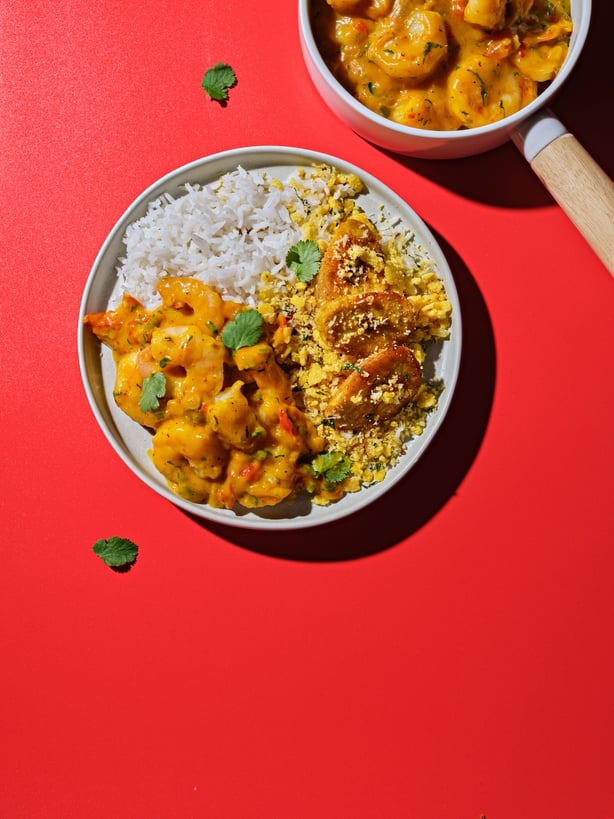
The most important ingredient, the one that "translates our cuisine", Makinde says, is cassava. "I cannot talk about Brazilian food without talking about farofa. And farofa comes from cassava."
Her favourite recipe in the book, bobó de camarão, is a hearty shrimp stew that uses cassava cream mixed with coconut milk and dendê, red palm oil, and encapsulates what's best about Brazilian food, Makinde says.
Other ingredients might sound familiar to us, especially açaí which is having a huge trending moment, but Makinde shares the unique ways Brazilians use the ingredient. "I don't think people realise how people eat açaí and the origin of the states that açaí comes from. They eat [it] with fish and they eat [it] with tapioca flour."
An indigenous ingredient being co-opted in other countries and not being honoured for how it's used locally? There is sadly nothing surprising about that and how trending food develops these days. What is surprising, however, is how Makinde says there is still work to be done at home in Brazil in teaching people about their own foods.
"Not even Brazilians, to be honest ... know the history of most of the dishes", she says. "It comes to a point also as a chef, when I was being trained to be a chef, there was [no] kind of feeling of being proud of Brazilian food."
She writes that when she was growing up, less attention was paid to traditional, local foods and ingredients than to imported goods. Migration complicates and fosters this, she says:
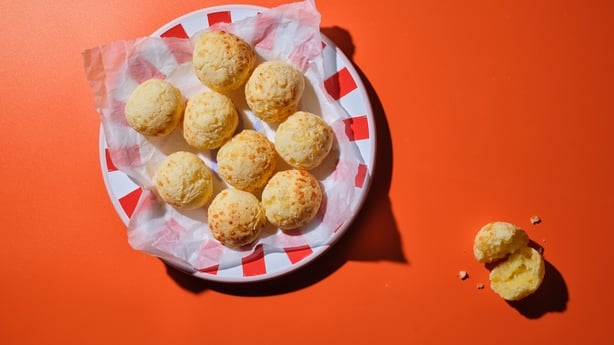
"The Brazilians that are in Brazil, they have a completely [different] mindset regarding the food [to] the Brazilians that live abroad. Because when you live abroad and you don't have pão de queijo in every corner anymore, you don't have coxinha in every corner anymore, so you [go], oh my God, I need to find this."
For example, Makinde used to eat fresh papaya every morning for her breakfast in Brazil. "And it's so hard to find papaya here that every time that I eat papaya here, it feels like I'm eating caviar, escargot, a very expensive food."
Context is everything, and the context of how and what we eat tells its own story. "After all the complications pass of why you move and why you're running out of Brazil, food is what connects us to our country, to our roots, to, you know, our family", Makinde says.
Samba by Giselle Makinde (Blasta Books, €17) is available from 30 April. Food photography: Jo Murphy