


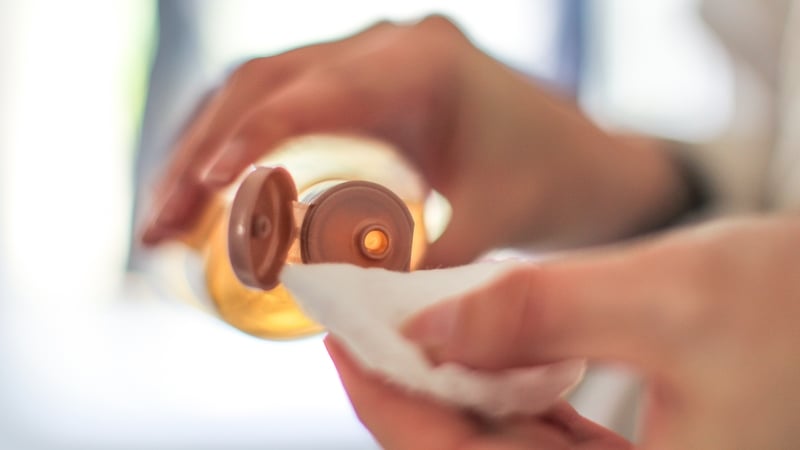
‘Toner’ is one of those buzzwords you hear when experts discuss basic beauty routines, but what it actually does is often skimmed over.
An exfoliant? A hydrating treatment? A pore-minimiser? It could be all and none of these. Once considered a harsh, alcohol-soaked skincare step that left skin feeling tight and squeaky clean, toner has undergone something of a beauty rebrand over the past couple of years.
Today’s formulas promise everything from hydration and barrier support to glow-boosting exfoliation and oil control – but with skincare routines already packed full of serums, acids and actives, are they essential in a simple skincare routine?

What exactly is a toner?
"Toners have evolved massively," says clinical facialist Kate Kerr.
"Years ago, they were often alcohol-heavy formulas designed to strip away oil after cleansing, which is where a lot of the confusion and fear around toners still comes from."
Traditional toners were largely used as a final cleansing step – particularly back when cleansers were heavier and less sophisticated. But modern formulations have become far more treatment-focused.
Aesthetician Nina Prisk, founder of Update Aesthetics, explains that many toners are now designed to "hydrate, soothe, gently exfoliate or support the skin barrier, depending on the ingredients used".
Rather than simply removing oil, toners are increasingly being used to prepare the skin for the rest of a routine.
Kerr says she primarily uses toners as "a preparation step" to remove excess oil and dead skin cells, helping other products penetrate more effectively.
Does everyone need a toner?
This is where expert opinions begin to differ slightly.
Kerr believes toners can benefit almost everyone, noting, "for those with dry skin, toners can help rebuild the barrier and hold moisture.
"For oilier skin types, you have that extra degreasing and exfoliation step that helps with oil control."
She also says that mature skin can particularly benefit from hydrating or exfoliating toners because natural cell turnover slows with age.
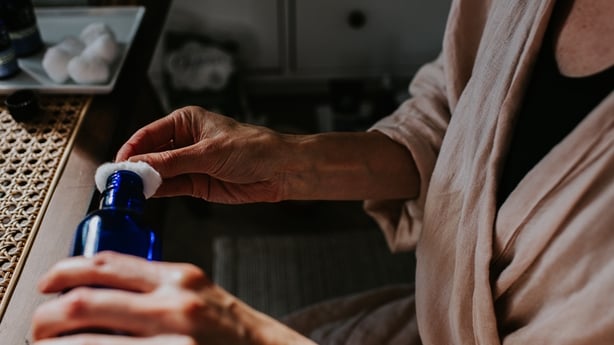
Prisk, however, sees toner as more of an optional extra rather than an essential step.
"A good cleanser, moisturiser and SPF are still the foundations of a skincare routine," she says.
That said, she agrees the right formula can be useful for specific concerns, particularly dehydration, congestion or excess oil.
Ultimately, experts say toner should never be viewed as a one-size-fits-all product. The formula – and the ingredients inside it – matter far more than the category itself.
What can toner actually help with?
According to both experts, modern toners can genuinely support hydration, mild exfoliation, oil balancing, deal with dullness, congestion and even help the products applied afterwards absorb more effectively into the skin.
Ingredients such as hyaluronic acid, niacinamide and gentle exfoliating acids can all be beneficial depending on the concern you’re targeting.
But there are still plenty of exaggerated claims surrounding toners.
"Pores don’t physically open and close," Kerr explains, "and a toner alone isn’t going to cure acne or rosacea".
Prisk agrees that promises to "shrink pores" or dramatically transform skin are often overstated.
"Toners are supportive products rather than miracle solutions," she says.
Should toner be applied with hands or cotton pads?
Again, this largely comes down to the formula.
"In my clinic we apply toner with cotton pads using small circular motions," says Kerr, explaining this can aid the exfoliation process.
Hydrating toners, meanwhile, are often better patted into the skin with clean hands or even misted directly onto the face.
Prisk tends to favour hands over cotton pads where possible.
"This avoids unnecessary product wastage and can be gentler on the skin barrier," she explains, particularly for sensitive skin types.
However, exfoliating formulas may still benefit from the precision and even distribution a cotton pad provides.
Can exfoliating toners be overused?
This is one area where experts urge caution when using toners in your skincare routine.
Kerr believes exfoliating toners can safely be used daily, arguing that skin naturally sheds every day and that exfoliation helps support healthy cell turnover.
But Prisk warns over-exfoliation is increasingly common – especially when people combine toners with retinol, acids and other active ingredients.
"Signs you may be overdoing it include redness, tightness, irritation and increased sensitivity," she says.
For many people, using exfoliating toners just a few times a week may be enough.

So, should you keep toner in your routine?
If you’re trying to streamline your skincare routine, toner is often one of the first products people question.
Prisk says she would usually prioritise cleanser, moisturiser and SPF first.
"Toners can absolutely have benefits, but they are generally more of an additional or supportive step," she says.
Kerr, however, offers a differing opinion.
"Toner is a really important product to keep in your routine," she states, arguing that it helps control oil, supports hydration and improves the penetration of other skincare products.
In reality, the answer probably sits somewhere in the middle.
A toner isn’t necessarily essential – but the right one can elevate a routine significantly, particularly if you’re targeting specific skin concerns.
The key is choosing a formula that supports your skin rather than stripping it – something modern toners, thankfully, have become far better at doing.
