



As rents escalate alongside soaring energy costs, the independent businesses that once made up the fabric of towns and cities have witnessed closure after closure.
Walsh's jewellers in Mullingar closed in April 2025 after 108 years in business, citing the pandemic and the subsequent dramatic shifts in shopping patterns to the digital space as further reasons.
Community stalwart Eamonn Bracken's Menswear closed in Portarlington in January 2026, the owners earning their well-deserved retirement, and in Dublin, household staples across the city have closed their doors, too.
And lest certain Dubliners forget being dragged to Little Folk on Meath Street as children to be fitted for a communion dress, they closed in 2023.
Businesses that survived massive recessions in the late 1970s to early 1980s and then again in the 2000s are now facing the reality of living and working in a city that, as of January 2025, is the ninth most expensive city in Europe to live in and the fourth most expensive for rental costs.
This affects the retail landscape of Dublin too, so if the cost of living is not set to de-escalate, then what else can be done but highlight the stories of the people who maintain the very legacy of those businesses?
Caddy Munnelly and Simon James are doing just that, with their media production company NO18 Films.
Their latest project, Made in Dublin, is a series of short documentaries "that captures the stories, heritage and history of Dublin businesses and the people behind them".
This rolling project kicks off with the first episode premiering on 10 February.
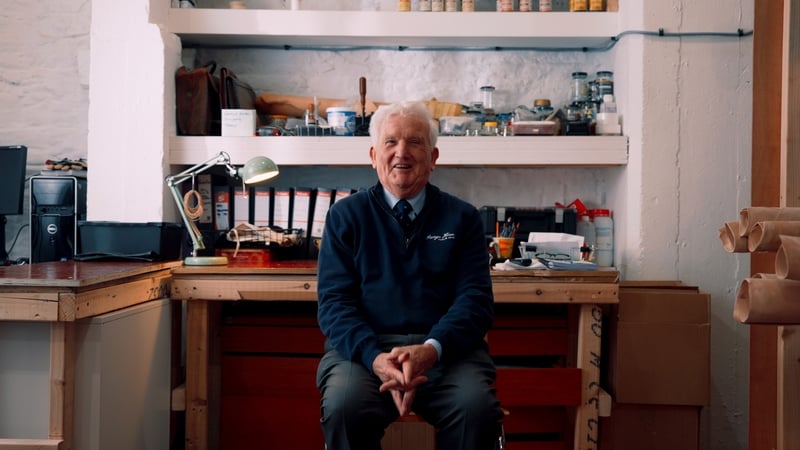
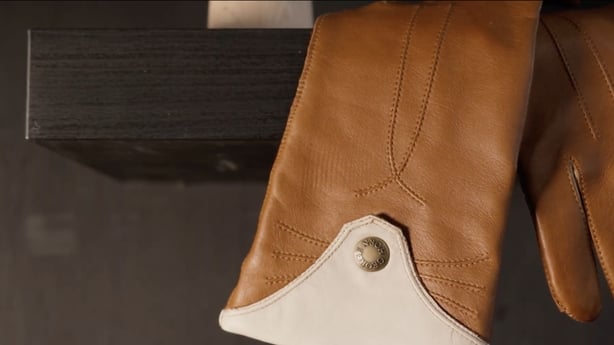
Their first episode focuses on George Horn Ltd., a third-generation master glove maker in Dublin founded by George Horn in the 1940s and continued by his son, Brian.
Having grown a reputation for respect for their craft, it seems like a natural choice for the production duo to start with a debut that focuses on a company with a reputation for quality.
"There are a few things driving me", Caddy tells me. "First, I feel a duty to capture the stories of people like Brian Horn, who have kept the craft of master glove making alive in the heart of Dublin. Running a business for as long as the Horn family has is no small feat, and I knew it would make a fascinating story.
"Second, people and places like George Horn are the essence of Dublin. They have lived through a lifetime of challenges and experiences, and if you have ever listened to a Dubliner tell a story, you know it will be told with warmth, humour, and honesty."
She adds that shopping local has been a keen focus on hers, with more consumers pivoting to supporting local businesses as much as they can.
"Yet businesses like George Horn rarely have large social media followings. They represent slow fashion and craft, and they do not get the coverage they deserve. As a Dubliner, I have watched the city change over the decades, and I cannot help but feel we are losing more and more independent businesses.
"While change brings positives, I worry that places like George Horn are slipping through the cracks despite their history, their skill, and their contribution to the soul of the city."
History on our hands
George Horn Ltd. and its story are also part of a long history of glovers in Ireland. Given as ceremonial gifts or as part payment of fees, gloves were respected for centuries. By the early 18th century, gloves were a staple of one's wardrobe and made in a variety of qualities to suit those either sporting the latest fashions or for use in heavy work.
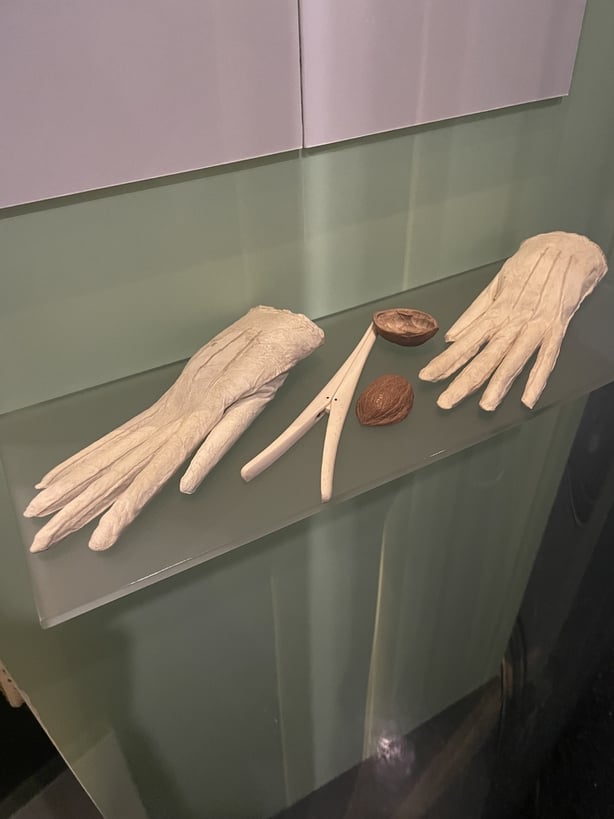
Irish-made examples gained widespread reputation from William Hull's The History of the Glove Trade in 1834 by way of 'Limerick gloves.'
Their ultra fineness, courtesy of slunk skin, that could see a pair rolled up and fit inside a walnut shell. Hull even claimed that these gloves, that were also made in Cork and Dublin, 'imparted their qualities to the hands of the wearers,' rendering their hands soft and smooth.
As noted by the company, The Horn family also established a reputation worldwide for quality and by the 1960s, sales reached from Japan to the US and into stores such as Saks of Fifth Avenue in New York and Harrods in London.
The former premises of the company in Ashtown, Dublin saw its machinery destroyed in a fire in 1972, which halted dress glove production and saw the company trade in said industrial gloves as The Castleknock Glove Company on Prussia Street. The mid-1970s in Ireland ushered in the era of mass imported products and the business wound down in 2003.
Brian Horn continued glove-making until 2017 when he secured old machinery from a UK based company, kick-starting the brand's renewal in 2020. George Horn Ltd. has continued, ensuring the survival of a centuries old heritage craft and vowing to train the next generation in leather work and glove making.
But these businesses need support and so too do those who record their stories. NO18 films, in their words, will record their areas of interest, be that political, social and current events "to build the archive of Dublin today for future generations".
"With Made in Dublin we wanted to take a step back from the global and look at the local," says Simon.
"It's so convenient now to be able to go online and order what you need for very little cost, but at the same time that comes with very little quality. We wanted to celebrate and document the people that still lay claim to a craft, that are increasingly pushed to the fringes by the high street and online retailers, the very people that make Dublin."
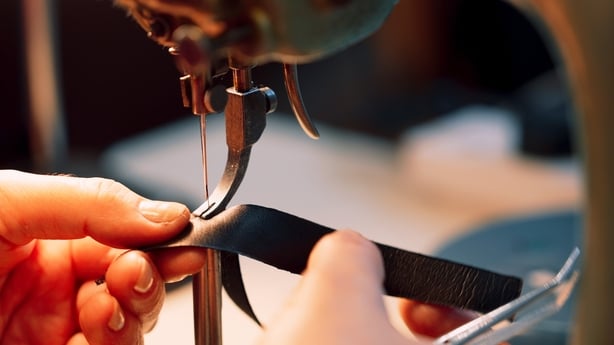
To capture and celebrate the people of Dublin, what they create and their role in the community, not only creates a visual preservation of family-run businesses but also locally made craft before it disappears.
But it also highlights the importance of rare skills and preserves the knowledge and experience that can come from businesses like George Horn Ltd. NO18 hope to start a conversation about the stories that make Dublin, "so that our respective governmental bodies listen and hopefully enact meaningful change that can help preserve arts, craft and community spaces and businesses for the future".
"Once these crafts are gone, they're gone and I hope the series reminds people how vital it is to keep them alive," Caddy says.
NO18 Films' aim is to find the funding to continue making documentaries and preserve Dublin's stories, you can follow along with their ventures right here.
The views expressed here are those of the author and do not represent or reflect the views of RTÉ.
