


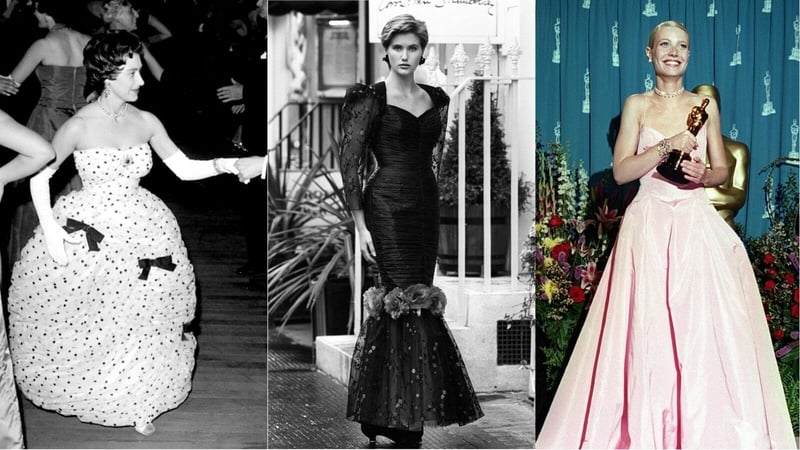
Lusting over a beautiful ballgown is one of life’s purest pleasures.
Sure, it’s not like many of us have silk dresses with full tulle skirts in our wardrobes, but that doesn’t mean we can’t judge what other people are wearing on the red carpet (while we sit on the sofa in our trackies).
A ballgown traditionally does exactly what it says on the tin – it’s a gown you wear to a formal ball. In the 1800s, there was a whole range of strict rules and regulations over what women could wear. For example, only married ladies could wear tiaras, and you were only allowed a certain amount of decolletage on show.
Now, the definition of ‘ballgown’ is a whole lot looser – probably because formal balls aren’t quite as common, and you’re more likely to see these kinds of dresses at the Oscars.
So how have ballgown styles changed and evolved over time?
1950s
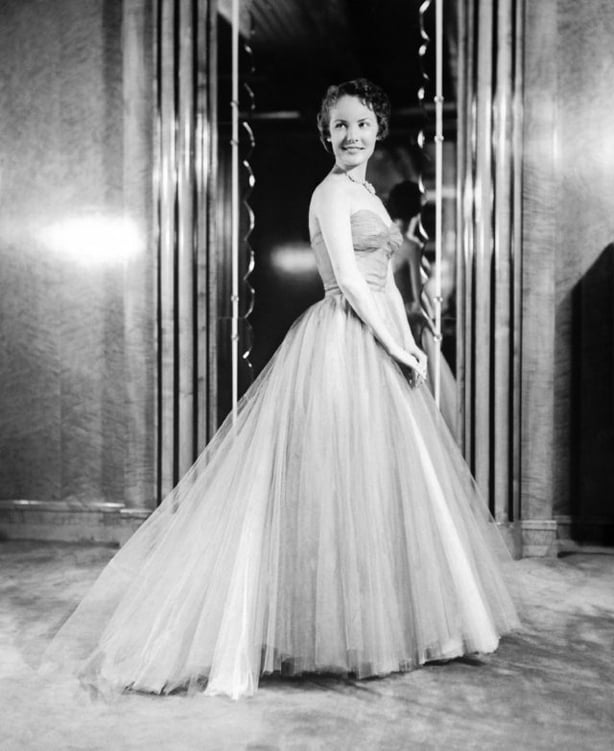
The end of World War II heralded a new era of fashion experimentation, as people found themselves less constrained by the restrictions of wartime. Towards the end of the 1940s, French designer Christian Dior popularised an exciting style dubbed the ‘New Look’ – it was essentially full skirts with nipped-in waists.
This was flying in the face of the boxy and distinctly unfeminine designs of wartime, and soon became hugely popular. It was the style de jour for ballgowns, as tight bodices showed off women’s waists and full skirts added to the excess of the occasion. It was fashion’s light-hearted response to the restrictions of war.
1960s
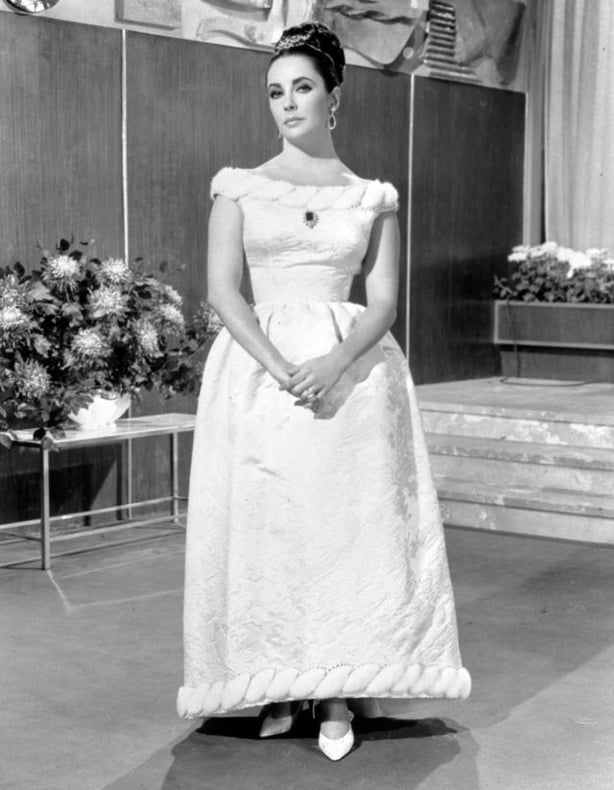
The Sixties was still very much in favour of streamlined waists – you’ve got to feel sorry for the ladies wearing these dresses because chances are they’d have been pretty uncomfortable to dance in all night long.
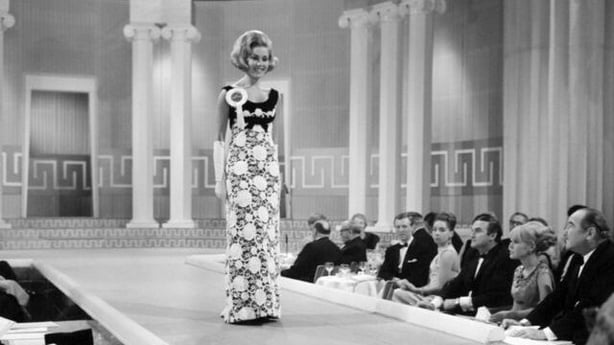
The major style change this decade heralded was in the skirt department. Instead of being ‘princessy’ and puffy as in the Fifties, ballgown styles became more toned down and streamlined. Dior was still a designer who reigned supreme, and the influence of his ‘tulip’ silhouette was felt well into the decade.
1970s
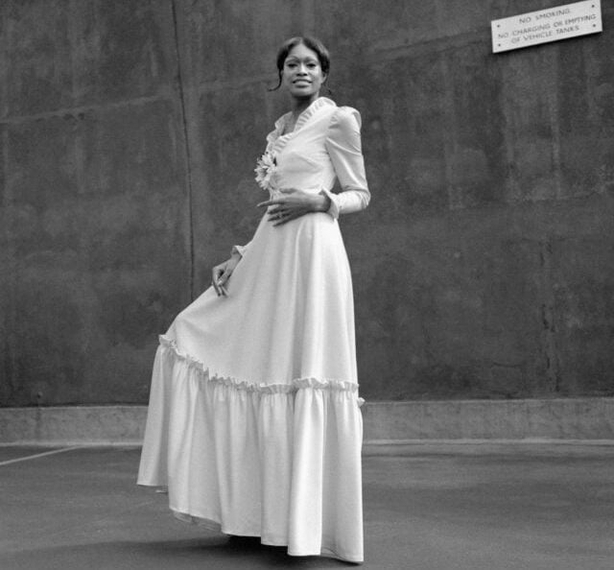
By the Seventies, it would seem like women had had enough of rib-crushingly tight bodices – and we can’t really blame them. Much like the fashion in general for this decade, styles of ballgowns became more relaxed, looser, and easier to wear.
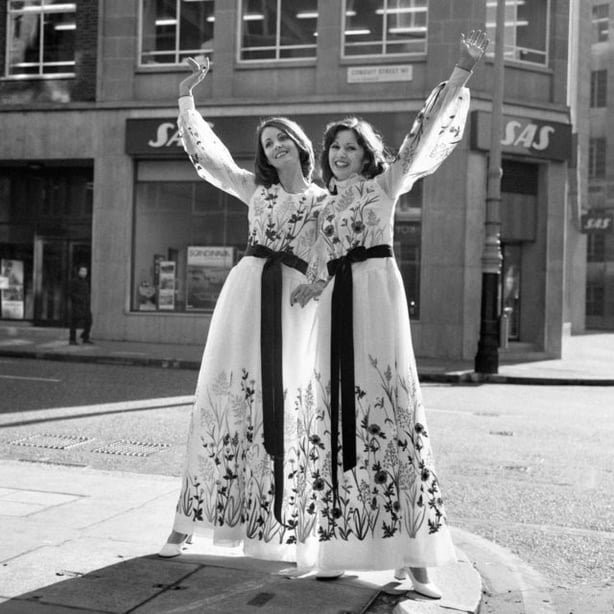
Think flowing chiffon fabrics, floral patterns, and long, billowing sleeves. One thing for sure, anyone wearing this style of outfit definitely wouldn’t have been allowed into a 19th-century ballroom.
1980s
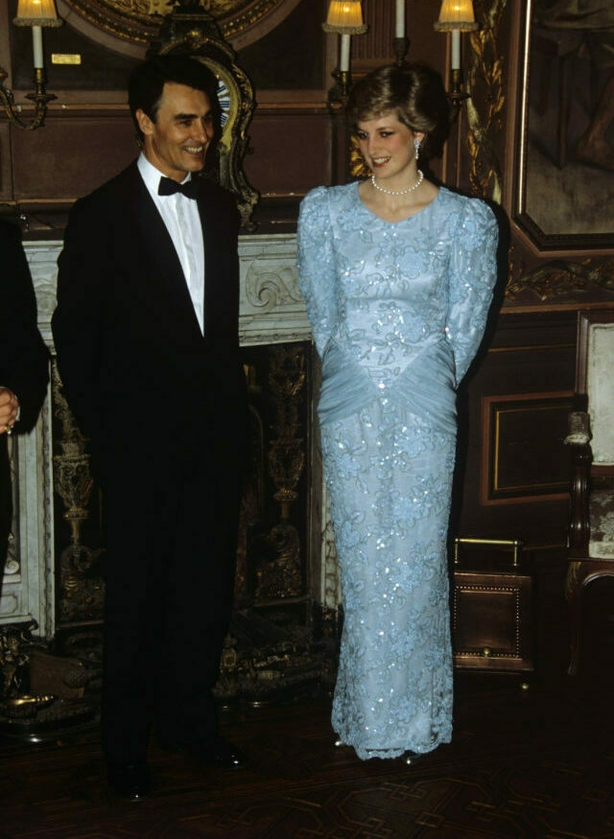
By the time the Eighties rolled around, it was time for another complete change in fashion. This was the era of power dressing, where women started using fashion as a way to assert their authority in typically male-dominated arenas.
Of course, power dressing was most likely to be used in office spaces, but we definitely saw its influence in formalwear too.
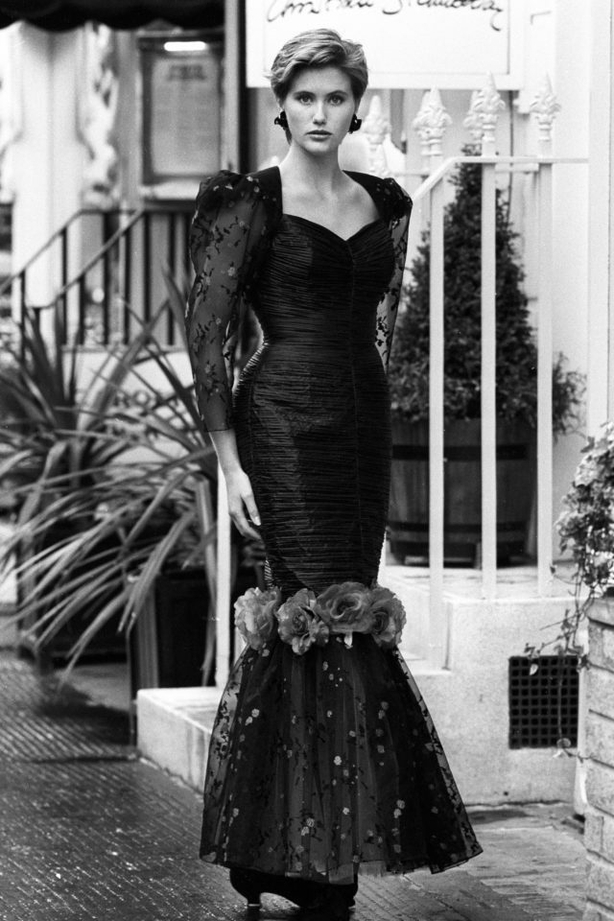
Women started wearing bolder silhouettes with more exaggerated shoulders. In previous decades, skirts were either full or straight. In the Eighties, there was a whole lot more room for experimentation, such as the fishtail or the mullet. Not only this, but this was the era of embellishments – think everything from sequins to fake flowers.
1990s
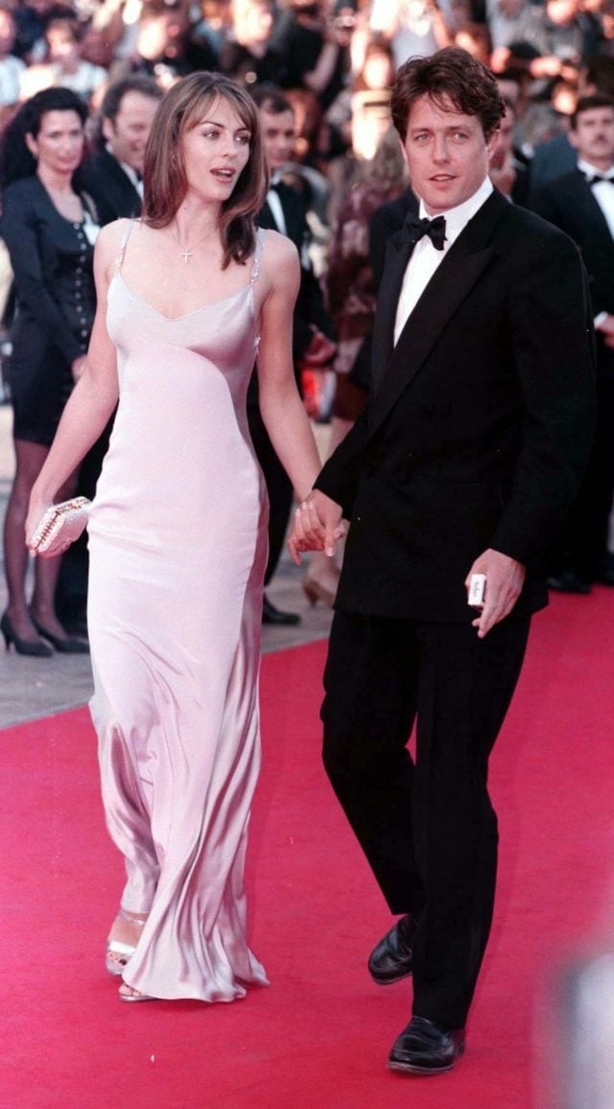
Fashion is predictable in one sense – as soon as a particular trend has lived out its life, the next one to take over is the complete opposite, almost as a reaction against what came before.
Rejecting the extravagant embellishments and bejeweled flourishes of the Eighties, the Nineties was all about simplicity. Think clean, simple silhouettes in pale and pretty colours.
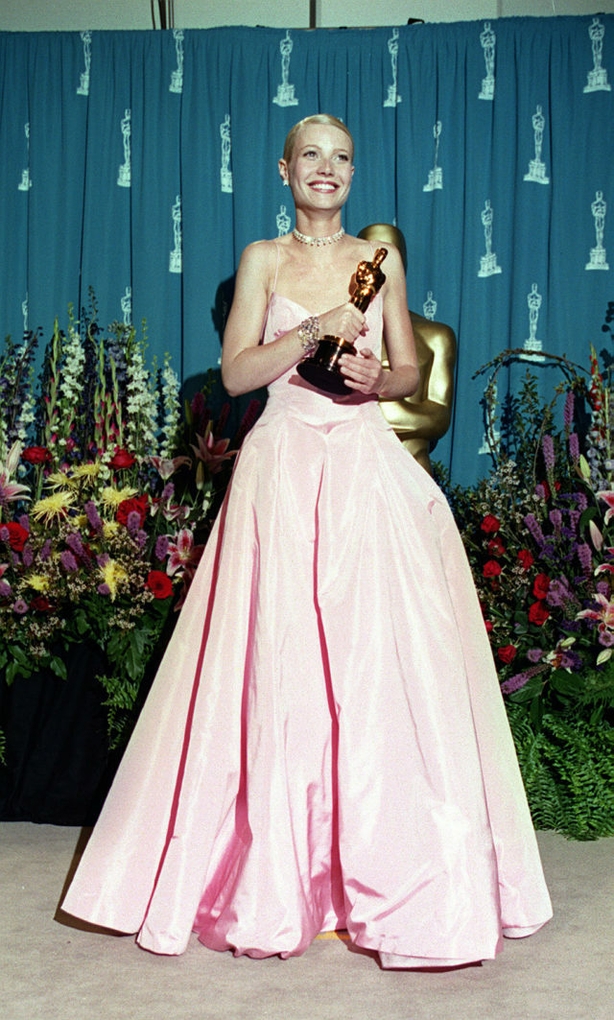
Who could forget the iconic pink Ralph Lauren dress Gwyneth Paltrow wore to the 1999 Oscars? Not only has it gone down as one of the most memorable red carpet dresses of all time, but it really captured the style of the time.
When skirts weren’t full like Paltrow’s, evening gowns were more akin to formal slip dresses, and were made of light and flowing materials. Spaghetti straps were a perennial must – this was the Nineties, after all.
2000s
And then we come to the sartorial black hole that was the Noughties. Unfortunately, even classy evening gowns were under the influence of the dodgy fashion trends of the era.
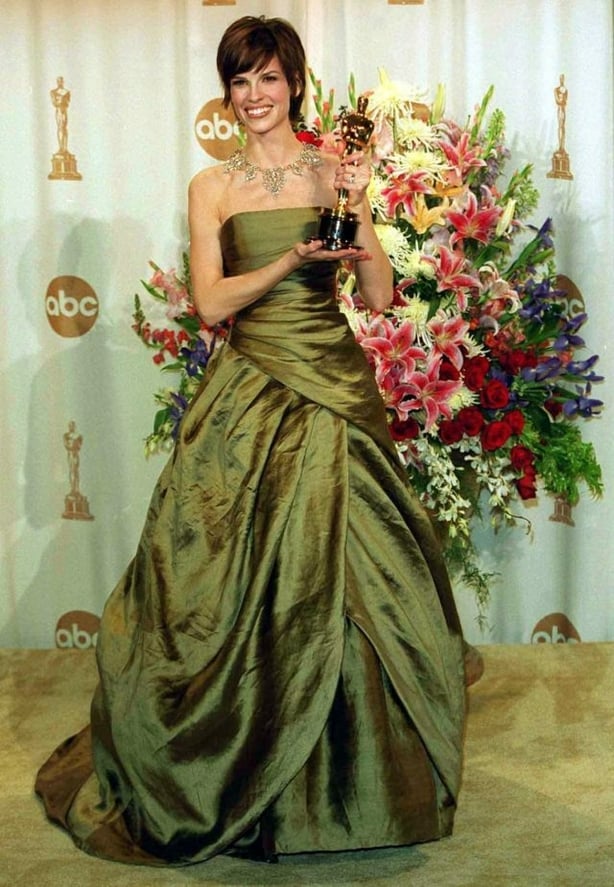
Luckily, it’s not like celebs were walking the red carpet in Von Dutch trucker hats. Instead, the fashion edict was clear – walk the red carpet in tight strapless bodices and a full skirt (ideally in satin) – or risk not being on-trend.
Fishtails and bedazzles made an unhappy resurgence from the Eighties during this time, which fit perfectly into the retro vibe of all satin everything.
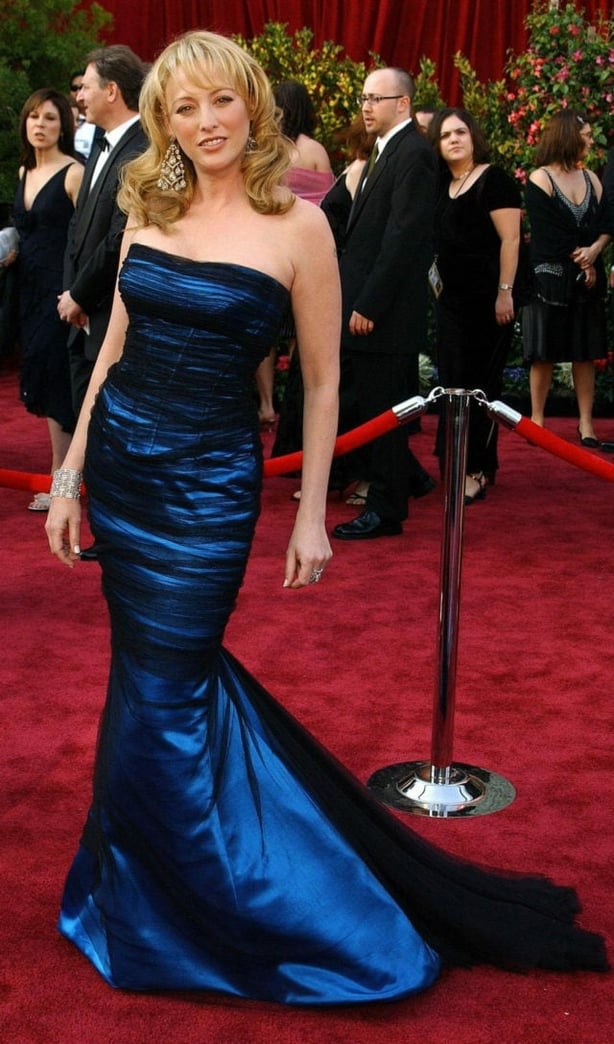
We bet celebs wished the Seventies-style had become popular again instead because it does look awfully hard to breathe in those figure-hugging satin corsets.
2010s
Luckily, the slightly one-note trend for strapless fishtail dresses didn’t last very long. In this decade, we’ve been seeing a whole lot more experimentation when it comes to ballgowns. Think unusual necklines and interesting sleeves – fashion is definitely less dull now.
However, there’s one thing that is seen across most formal gowns in the 2010s: the leg slit. Right now, you’ll be hard-pressed to find a formal gown that doesn’t have a slash in the skirt – that can sometimes reach as high as your hip.
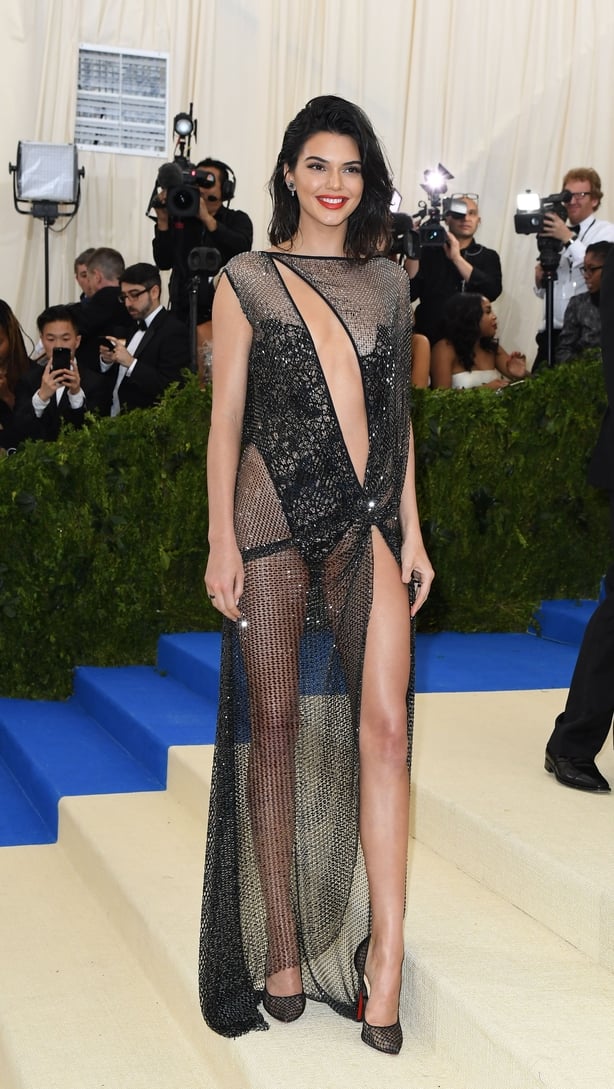
Sometimes, this can look great. However, it is just a ‘touch’ overused, and can lead to something terrible – celebs posing for photos with their leg stuck out so the slit is noticeable. Unfortunately, few things look more unnatural than this instantly recognisable pose.
