



Safer Internet Day 2026 takes place on Tuesday, 10 February, and our friends at Webwise are inviting have some great free resources for Post-Primary schools to get involved.
This year's theme AI Aware: Safe, Smart, and in Control explores how AI technologies shape children's online experiences, highlighting both the benefits and the risks. It aims to empower students to use AI safely, responsibly, and confidently.
In Ireland, Safer Internet Day is coordinated by the Irish Safer Internet Centre, a partnership between Webwise, ISPCC, the National Parents Council, and Hotline.ie. Together, they provide a range of online safety services, including education and awareness programmes, child and parent helplines, and a reporting hotline. The Centre is coordinated by the Department of Justice and co-funded by the European Union.
Whatever topic you choose to explore, get your school involved and help put online safety at the top of the agenda!
Here are some simple ways that Post-Primary schools can take part!
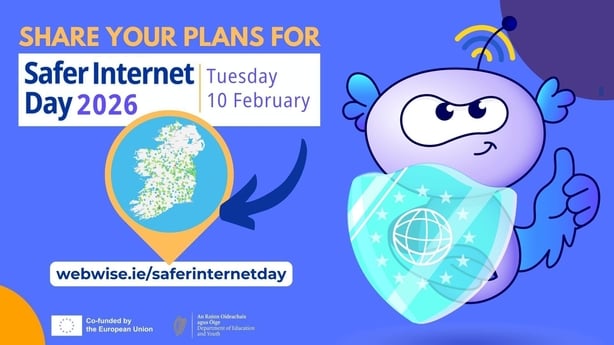
1. Share your Safer Internet Day plans
Put your Safer Internet Day plans on the map! Whether you are doing lessons, quizzes, workshops, or any other activities, you can share what you, your class, or your school is doing by registering on the SID Events map of Ireland.
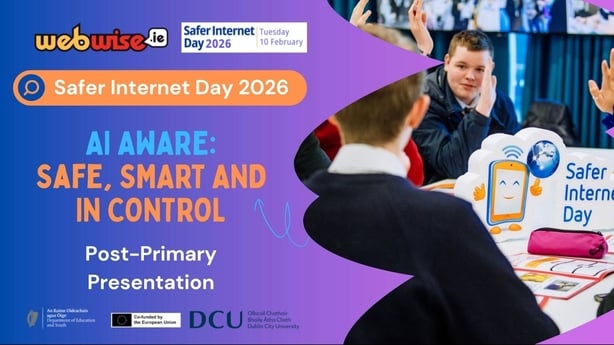
2. Use the new Safer Internet Day Lesson for Post-Primary
Developed in collaboration with Dr Dónal Mulligan at Dublin City University, this lesson explores the growing presence of Generative Artificial Intelligence, in particular AI chatbots, in young people's lives including both the challenges and opportunities they present. It encourages students to think critically about how they interact with AI technologies and to develop strategies for safe and balanced use.
Schools can also explore a range of other online safety topics such as cyberbullying; online wellbeing; news, information and the problems of false information; and more through scripted presentations, specifically designed to support students taking part in Safer Internet Day.
bsp;
3. Access free education resources and videos
Safer Internet Day is the perfect opportunity to explore online safety topics in your school. Take advantage of free Webwise resources and videos for post-primary students to cover subjects like cyberbullying, online privacy, digital rights, online wellbeing, and more.
All resources and videos are available for free on webwise.ie, and we can also send hard copies directly to schools.
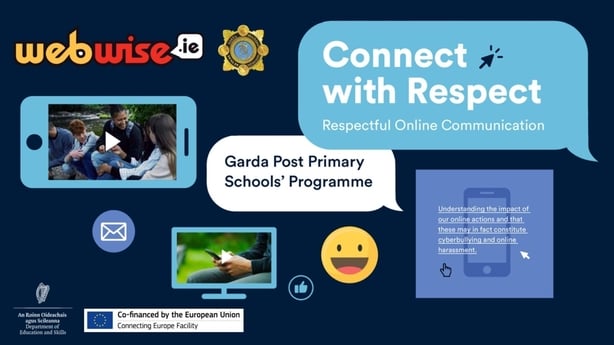
4. Host a Garda lesson with the Garda Schools Programme.
Safer Internet Day is a great time to consider the Garda Schools Programme! In partnership with Webwise, lessons have been developed for post-primary students.
The Connect with Respect lesson addresses the topic of cyberbullying and lesson is designed to help students at the Junior end of post-primary, between the ages of 12-14.
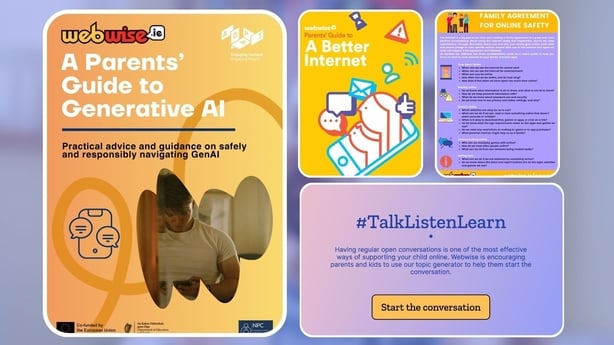
5. Get parents involved
Safer Internet Day is also great time to engage parents and highlight the vital role they play in supporting their child online. Encourage parents and carers to visit the Webwise Parents Hub for trusted advice and information.
Webwise will also publish a new A Parent's Guide to Generative AI, supporting families to navigate AI safely and confidently for Safer Internet Day!
These are just a few ways to mark Safer Internet Day 2026, but how you highlight online safety is up to you! Find plenty more ideas on the Webwise SID Hub.
Whatever activity you choose, join the national and international conversation online using #SID2026 and #AIAware, and tag Webwise on social media.
Safer Internet Day (SID) is an EU-wide initiative that promotes a safer, better internet for everyone - with a particular focus on children and young people.
