At first light in Killarney National Park, the forest was already awake.
Before the sun had fully risen, birdsong echoed through the trees as the Ecolution team joined a dawn chorus walk as part of the Wander Wild Festival to experience one of nature's greatest live performances.
Leading the walk was ecologist and bird expert Irene Ní Shúilleabháin, who explained that the dawn chorus is much more than beautiful birdsong.
Irene says: "These birds are singing because they’re marking territories and calling out to potential mates. They’re trying to say: look how healthy I am, look what a good singer I am."
Ecolution is available on RTÉ or wherever you get your podcasts - press play up top to listen now!
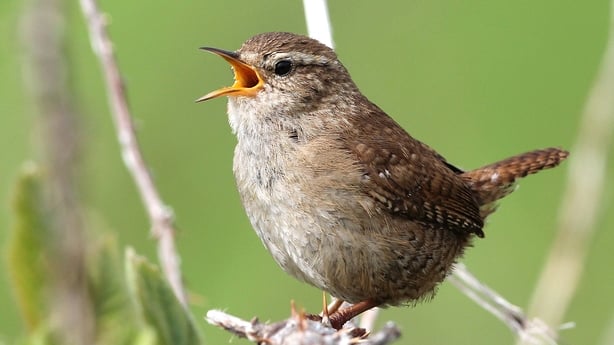
As the woodland brightened, the sounds of chiffchaffs, wrens, robins, blackbirds and treecreepers filled the air. Some calls were loud and dramatic, while others were so high-pitched they were almost impossible to hear.
"The song thrush is a really good mimic," Irene said. "It does really good cover albums." But the dawn chorus is not just a soundtrack to the morning - it’s also a sign of a healthy ecosystem.
Birds play a vital role in nature. Species like swallows help control insects by feeding on mosquitoes and midges, while others spread seeds through forests and woodlands. Birds also help scientists understand how healthy an environment is.
"If you have a nice diversity of birds, you have a good healthy ecosystem," Irene explained. That balance, however, is coming under increasing pressure.
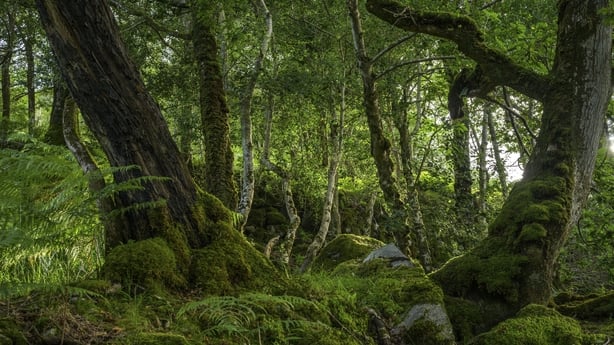
Climate change and habitat loss are making life more difficult for many bird species in Ireland. Migratory birds such as swallows and house martins are finding their journeys harder as temperatures rise and habitats change. Pesticides and the loss of hedgerows, wetlands and wild spaces are also reducing feeding and nesting opportunities.
Some species associated with Killarney National Park, including the ring ouzel, have suffered serious declines in recent years. Despite the challenges, there is still hope - and small actions can make a real difference.
Growing native plants, leaving lawns a little wilder, protecting hedgerows and creating spaces for wildlife can all help birds and biodiversity thrive.
The greatest concert on Earth happens every morning, if we protect the places birds need to live.
Subscribe to Ecolution here now!
And we have lots more great podcasts for kids at RTÉ KIDS Podcasts.