


Christmas can be a joyful but overwhelming time for many Autistic people. With a few small adjustments, families and communities can make the season more predictable, calm and inclusive.
To celebrate the launch of the RTÉ KIDS Podcast A Very Autistic Christmas, made in collaboration with AsIAm, here are five practical tips from their CEO, Adam Harris, to help make Christmas more Autism-friendly.
Be Mindful of Sensory Difference
Christmas is a time of extra lights, music, decorations and scents. Autistic people will often have sensory differences and preferences, which may mean that some of the festive changes to our environment can be overwhelming. It is a good idea to find out the specific needs and preferences of your Autistic guests, as these can vary greatly from person to person.
You may consider reducing strong smells, lowering harsh lighting, avoiding flashing lights and keeping background noise at a manageable level. Provide quieter spaces and reassure people that sensory supports such as fidgets, ear defenders or noise‑cancelling headphones are completely welcome.
Small adjustments like dimmer fairy lights or softer music can make the environment far more comfortable – less can so often be more. Throughout the day, let people know they can step away, regulate and return whenever it suits them.
Support Predictability and Routine
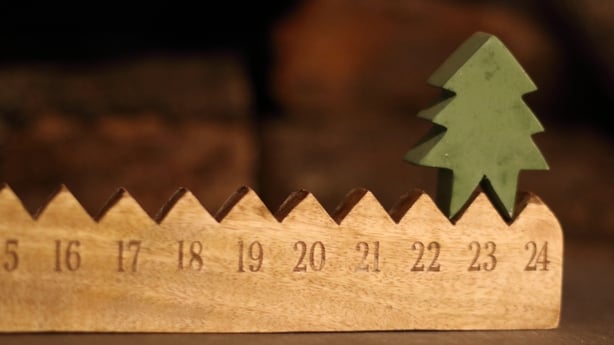
Changes to daily routines can make Christmas stressful. As much as you can, keep core routines consistent, especially around meals, sleep and downtime. When something new is happening, like visiting relatives or a crowded event, offer a simple visual guide, written plan or step‑by‑step explanation of what will happen and when. This supports Autistic people in preparing mentally for transitions.
Be flexible with timings and expectations, and remind them that leaving early or taking breaks is absolutely fine. Predictability helps reduce anxiety, and clear communication gives people the confidence to engage at a pace that feels safe and manageable.

Reduce Pressure Around Gifts and Social Expectations
Gift‑giving can come with a lot of unwritten rules and social pressure. Allow people to open presents in their own time, without expecting a specific reaction or facial expression.
Everyone experiences excitement and gratitude differently, and that's perfectly okay. Respect boundaries around physical contact - hugs, kisses or being touched may not be comfortable for everyone.
Clear, gentle communication can prevent misunderstandings with extended family. Social interactions during Christmas can be intense, so let people participate at their own pace and in ways that feel natural to them. Removing pressure helps create a much more relaxed and respectful atmosphere.
Make Food and Mealtimes Flexible
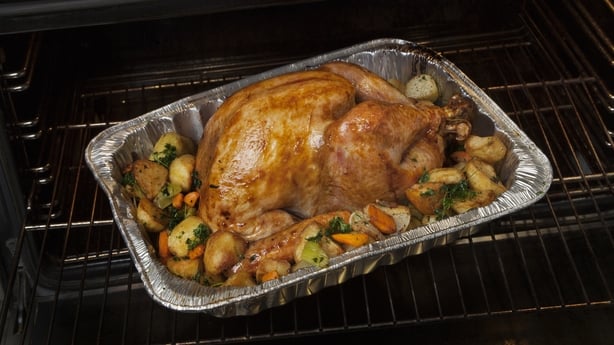
Food can be a major source of stress during Christmas, especially when unfamiliar textures, smells, or flavours are involved. Avoid pressuring anyone to try new foods or to eat a full 'traditional' meal. Ensure their safe, familiar foods are available and let them eat at the table or in a quieter space if that feels more comfortable.
Some people may prefer to eat earlier, later, or in smaller portions, which is completely fine. Keeping meal times, low‑pressure helps avoid overwhelm and supports better regulation throughout the day. The priority is comfort, not tradition, and flexibility goes a long way.
Create Calm Spaces and Break Opportunities
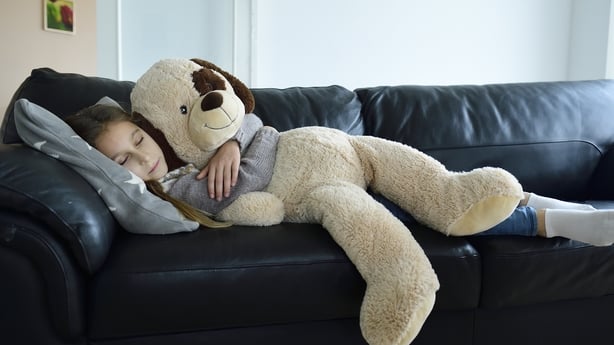
Christmas gatherings can be busy, overwhelming and unpredictable. Setting up a quiet room or calm corner gives Autistic people a safe place to decompress, regulate and avoid sensory overload. It doesn't need to be an elaborate space at all, but you may like to include soft lighting, comfortable seating and space for sensory tools, depending on the preferences of friends and family members who may benefit from the space.
Make it clear that taking breaks is encouraged and that there’s no expectation to stay in the crowd. Even short moments of quiet can reduce or prevent overwhelm. If you are hosting, build natural pauses into the day so people don’t feel rushed or overstimulated. A calm retreat can transform the entire experience for someone who needs it.
Visit www.asiam/christmas for more great tips and advice.
Listen to A Very Autistic Christmas Part 1 & Part 2 on RTÉ Podcasts or wherever you get yours. It is a scripted comedy for an 8+ audience produced by Lighthouse Studios, who collaborated with AsIAm. It was written by children's author Aoife Dooley.
