


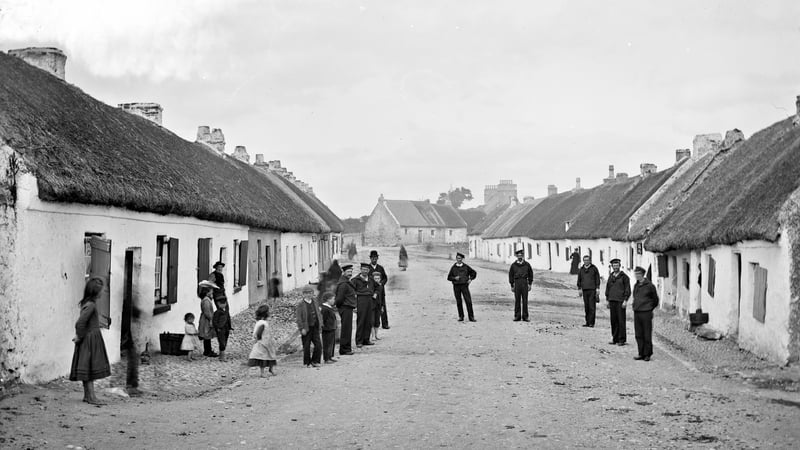


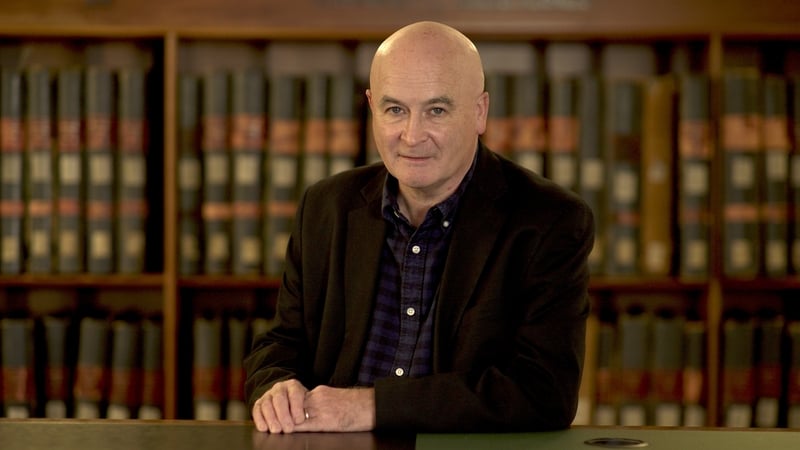
Trade unionist Mick Lynch turned to the 1926 census to explore the stories of two men [back then they were just young boys] who shared the same name: Jack Lynch.
One was Mick's father, raised in Gunpowder Lane, one of the many working-class streets on the south side of the city. The other, born only a few years earlier across the river Lee in similar social circumstances, would later become Taoiseach.
Using the 1926 census - and specifically looking at these two Cork communities recorded in it - Mick places their lives side by side, tracing the different life paths taken by two children of the same city.
As he does so, he uncovers a wider portrait of Cork city in the years after independence, a city shaped by working-class resilience, rebuilding and social change.
What begins as a simple coincidence of names becomes a striking reflection on how two boys, born into the same city just a few years apart, could grow up to inhabit worlds that seemed a million miles apart. Mick discovers what a good education might have offered his father and looks at the impact of his grandfather’s death on the young family he left behind.
Behind the scenes Mick was able to share this journey with his wife Mary, whose own family has roots linked to Ireland.
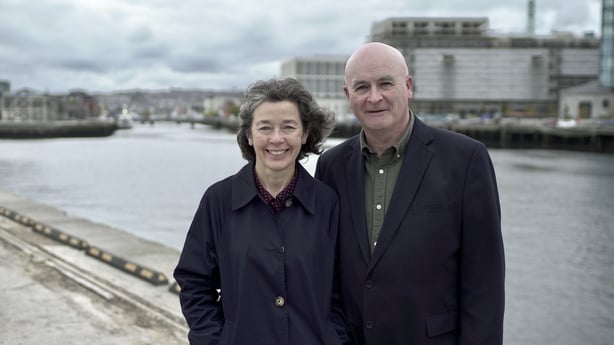
Taking part in the census project and examining the archives enabled me to reflect on my parents’ experience of being born in to two new political entities, my father being born in the Free State in Cork in1922 and my mother in the south Armagh in 1925.
Unfortunately, the parallel census records for the six counties are not available to us.
Despite the conflict and change of the 1920s, my parents’ circumstances and life prospects did not seem to have been affected significantly by constitutional change.
The Free State did not seem to have had a plan to enhance the lives of the people who needed change the most, and the Northern Ireland government did not really want its Catholic population at all.
Under the old British rule, emigration was very likely, and that was their experience as youngsters under the new constitutional arrangements.
The census return of my family in Cork shows six siblings. All but one migrated, and the same happened with my south Armagh family. I can only imagine the distress that this brought to my grandparents.
That caused me to consider what Ireland might have been like without mass migration, and whether the evolution of Irish society would have been greatly accelerated.
I have also concluded that it may have suited the purposes of the governments in the north and south for that to continue almost indefinitely as a kind of pressure relief.
Episode One of Come to Your Census broadcasts on RTÉ One at 6.30pm on Sunday May 3rd 2026 and Episode Two broadcasts on Sunday May 10th 2026. at 6.30pm. Both episodes will also be available on RTÉ Player.
