



Scríobhann James Mc Éinrí faoin nGaeilge atá gar dá chroí; An Ghaeilge neamhfhoirmeálta a chothaíonn craic agus caidreamh.
Ón seomra ranga go dtí an grúpa WhatsApp, an club oíche agus TikTok
For a lot of people, the Irish language never really escaped the classroom.
It lived in copybooks, oral exams, poetry notes, grammar sheets and the dreaded modh coinníollach. It was something you studied, something you were corrected on, something you were tested on. And for many people, it became less of a living language and more of a subject.
Ní hé sin locht na ndaltaí i gcónaí. Má chloiseann tú an Ghaeilge i gcomhthéacs scrúduithe, brú, botúin agus marcanna amháin, is furasta í a fheiceáil mar ábhar scoile agus sin é.
I was lucky. Bhí múinteoirí Gaeilge iontacha agam sa bhunscoil agus sa mheánscoil, and I grew up around friends who loved the language. I went through an Irish-medium unit in secondary school, so for us, Irish was not only something we used when the teacher walked into the room.
Bhí sí sa seomra ranga, cinnte. Ach bhí sí taobh amuigh de freisin.
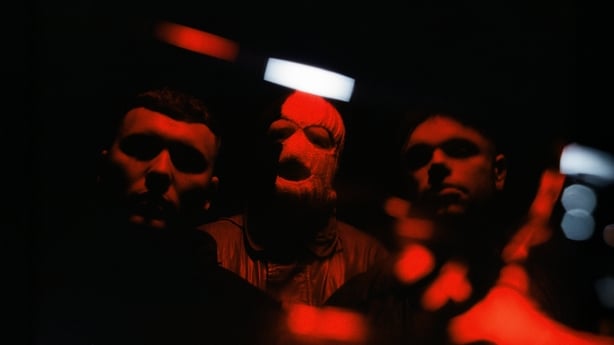
We joked in Irish. We slagged each other in Irish. We flirted in Irish, badly at times. We used Irish in captions when we were going out. We threw Irish words into conversations because they sounded funnier. We sang Kneecap lyrics between classes and used lines from songs in normal life.
Sin an áit ar thosaigh an Ghaeilge ag mothú beo dúinn.
Not because it was perfect. Not because every sentence was grammatically beautiful. But because it was ours.
Agus b’fhéidir gurb é sin an rud nach múintear go minic ar scoil: ní gá don Ghaeilge a bheith foirfe le bheith beo.
A language becomes alive when you can use it to complain, flirt, gossip, compliment someone, ask who’s coming out, or tell your friend they’re a pain in the arse.
Sin í an Ghaeilge nach mbíonn i gcónaí sa téacsleabhar.
Phrases for slagging your friends
One of the first signs that a language is really part of your life is when you can slag someone in it.
Nílim ag caint faoi bheith dáiríre maslach. Táim ag caint faoin gcineál slagála a tharlaíonn idir chairde — an magadh beag, an searbhas, an líne ghreannmhar nuair atá duine ag déanamh amadáin de féin.
1. "Tá tú imithe bán."
Your head is gone.
For when someone says something completely ridiculous. Tá an fuinneamh céanna aige le "you’ve lost the plot."
2. "Is pian sa tóin thú."
You’re a pain in the arse.
Ní frása é seo don seomra ranga b’fhéidir, ach tá sé úsáideach sa saol ceart.
3. "Is amadán thú."
You’re an eejit.
Simple, direct, effective. Uaireanta, níl aon rud níos cruinne le rá.
4. "Dún do bhéal."
Shut your mouth.
A classic. Tone is everything here. Said with the wrong tone, it is rude. Said between friends, it can be perfect.
5. "Is bitseach bunúsach thú."
You’re a basic bitch.
Not one I would recommend using with your Irish teacher, but as a direct translation of "basic bitch", tá greann áirithe ag baint leis.
Phrases for a night out
School Irish taught many of us how to ask for permission to go to the toilet.
But did it teach us how to survive a night out?
B’fhéidir nach raibh caibidil sa téacsleabhar dar teideal "Amach Anocht", but maybe there should have been.
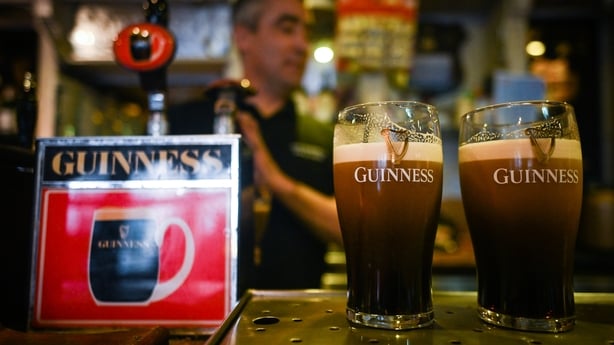
Because if Irish is going to be a language of real life, it has to exist in the pub, at the pre-drinks, in the taxi, outside the chipper and in the group chat the next morning.
1. "An bhfuil tú ag teacht amach anocht?"
Are you coming out tonight?
Basic, but necessary. Gaeilge phraiticiúil don saol ceart.
2. "Ar an drabhlás."
Out on the lash / on the sesh.
This is the kind of phrase people actually enjoy learning. It has life in it.
3. "Tá tinneas póite orm."
I’m hungover.
A phrase every learner should know, for cultural reasons obviously.
4. "Caidreamh aon oíche."
A one-night stand.
Probably not one for the Leaving Cert oral exam, but if we are talking about real-life language, then yes, this exists too.
5. "Nílim ag ól arís."
I’m never drinking again.
Frása a deirtear go minic maidin Dé Domhnaigh, agus a ndéantar dearmad air faoin Aoine.
Phrases for flirting
Flirting in Irish can feel strange at first. Maybe because a lot of us were never shown that the language could be used like that.
D’fhoghlaim muid conas labhairt faoi shaol an fhile, fadhbanna na timpeallachta agus buntáistí na teicneolaíochta. Ach níor mhúin aon duine dúinn conas a rá le duine go raibh siad gleoite gan mothú mar amadán.
But why should Irish not be used for flirting? If a language is alive, it has to be able to be awkward too.
1. "Tá tú go hálainn."
You’re beautiful.
Simple, sincere, and hard to beat.
2. "An bhfuil tusa singil?"
Are you single?
Straight to the point. B’fhéidir ró-dhíreach, ach sin scéal eile.
3. "Ar mhaith leat a bheith curtha le mo mhuintir?"
Would you like to be buried with my family?
A ridiculous phrase, maybe. But sometimes the ridiculous phrases are the ones people remember.
4. "An dtiocfaidh tú ar ais liom go dtí mo theachsa?"
Will you come back to my place?
Not one for the first page of the school textbook, perhaps, but definitely part of the kind of language people are curious about.
5. "Is tusa mo chruinne bheag."
You are my little universe.
Dramatic? Absolutely. Cringey? Maybe. But there is something lovely about it.
Phrases for compliments
Complimenting people can feel weird in Irish if you are not used to it. Ach tá sí tábhachtach. Ní leor a bheith in ann slagáil a dhéanamh. Caithfimid a bheith in ann rud deas a rá freisin.
1. "Tá solas na gréine i do gháire."
There is sunshine in your smile.
Dramatic? B’fhéidir. But sometimes Irish is at its best when it goes fully poetic.
2. "Is spéirbhean thú."
You’re a beautiful woman.
A classic word with old-school romantic energy.
3. "Is maith liom do stíl."
I like your style.
Simple, modern, and very usable.
4. "Is duine greannmhar thú."
You’re a funny person.
Sometimes the best compliment is just telling someone they’re good craic.
5. "Tá cuma iontach ort."
You look great.
Probably the most practical one on the list.
Is scoláire M.A é James Mac Éinrí in Ollscoil na Gaillimhe.
