



Mihály is the dreamy, romantic - and indeed mildly unhinged honeymooner - who becomes quickly resigned to separation from his new bride, Erzsi. That is after he momentarily steps off a train that travels on to the next station carrying Erzsi without him, thereby putting halt to their shared Italian sojourn.
Erzsi divorced Zoltan Pataki, her previous husband to marry Mihály. However, one wonders what the attraction is given Mihaly's absorption in the past. and his obsession with a clique of friends with whom he spent his adolescence in Budapest many years before. An aesthete of sorts, he has seemingly turned his back on the bourgeois expectations of his family who desperately plead with him at one point to return to Budapest to resume his junior partnership status in his father's Budapest firm, which is encountering some difficulties.
Prompted by a pantomime-like appearance by János, an old ally- or should that be adversary? - who tracks down the honeymoon couple in Italy, Mihály becomes caught up in concerns and reveries of his boyhood. He is inexorably drawn to go in search of Ervin, once a close friend, who he discovers is now a monk living an austere, decidedly unhealthy life of privation and sacrifice in a cold Franciscan monastery in Italy.
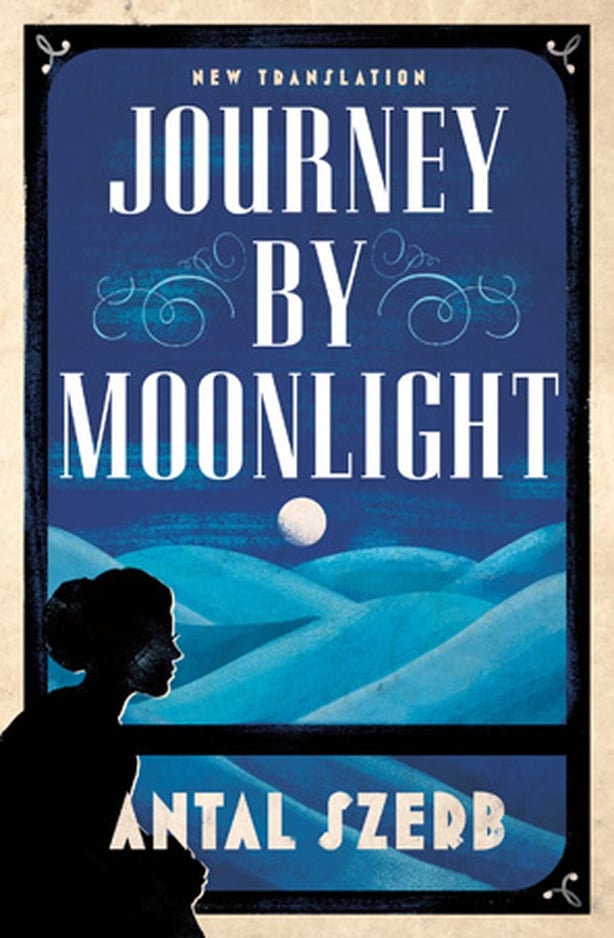
Ervin, Mihály and János were once part of an idiosyncratic group of close friends who hung out together in Budapest in the 1920s. Chief among the group were the unusually close brother and sister, Tamás and Éva. Tamas committed suicide, an act seemingly bound up with his death wish-related preoccupations. Throughout the story, the deceased Tamás is a presiding spirit or quasi-divine force guiding the strange actions of his living friends. Mihály eventually finds Ervin, and then he goes in search of Éva in Rome.
So skilfull is Szerb in the simple art of story-telling that the reader cannot resist getting caught up in the allure of it all - the mysterious Éva and where she might be, and how it might turn out should they eventually meet. However, Szerb was essentially driven by intellectual concerns. Love and flirtation and courtship on one hand and money and marriage on the other make this novel resemble many, published before and after. However, philosophical and existential issues supervene allied to a sense of profound feeling which lends at times an ethereal, hallucinatory element to the 261-page story which bears some similarity to Thomas Mann's The Magic Mountain. An absorbing and engaging work, translated from the Hungarian, with Afterword and notes by Peter V Czipott.
Paddy Kehoe
