


CTRL is a new Irish anthology edited by writer Dean Fee, exploring the world of video games - read an extract from Dean's introduction to CTRL below.
In CTRL, writers like Sheila Armstrong Rob Doyle and Lisa McInerney turn their focus to one of the most influential – and persistently misunderstood – art forms of the modern era. Through memoir, criticism, and narrative exploration, these essays chart the ways video games intersect with memory, identity, imagination, and the complicated business of being human.
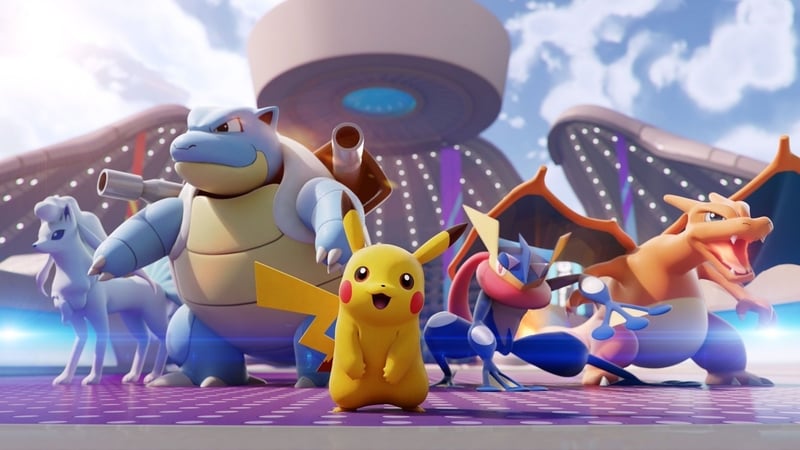
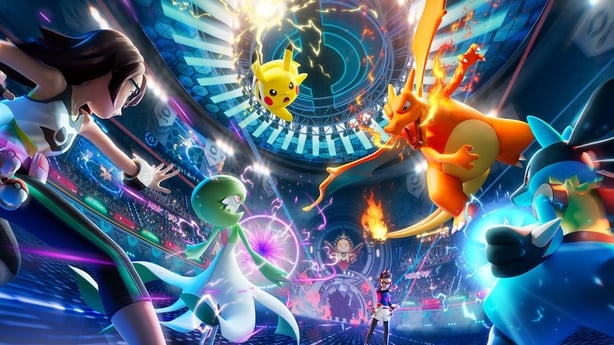
When I made my Confirmation in 1999, the only thing I wanted was to make enough money to buy a Game Boy Colour and Pokémon Red Version. I didn't care about being initiated into the Catholic Church. I didn’t care about becoming a man in the eyes of God. I didn’t care about making the Pledge to not drink or do drugs until I was eighteen. All I wanted was to be the greatest Pokémon trainer there ever was. In cream trousers and a granddad shirt, I stayed close to my mother while we kept an eye out for my father coming over from Dundalk. He hadn’t arrived by the time my class was ushered in the door, but Mam assured me he’d be there in time. In the church, at the end of the pews there were cards taped with the names of my classmates as well as some kids from sur-rounding schools. Before I found my own name, my mother found hers. She was delighted at first – happy to be known – and then confused as I explained that there was a girl in my class who shared her name. I’d probably told her this ten times.
We need your consent to load this rte-player contentWe use rte-player to manage extra content that can set cookies on your device and collect data about your activity. Please review their details and accept them to load the content.Manage Preferences
Listen: Dean Fee and Lisa McInerney talk CTRL on RTÉ Arena
I sat down and waited, and when the time came I joined my classmates in the aisle and we all stepped slowly towards the priest, who was mumbling prayers and handing out holy bread. When it was my turn I looked as pious as I could and offered my cupped hands as a receptacle for the body of Christ. Kneeling then in the pew, pretending to pray, I worked the shape of it from the roof of my mouth with my tongue and swallowed. The priest ended the ceremony and we all flooded out into the carpark. My dad was there and he asked if I’d taken my pledge. I said I had, and when I swore I’d stick to it, he laughed and, with confi-dence, said he’d give me fifty quid if I did. I obviously lost that bet.
The Game Boy Colour plus the Pokémon game were priced at €110. The closest place that sold them was the Argos, over an hour away, in Blanchardstown shopping centre. My mother had promised to drive me there the following day, provided I made the money. All around me my friends were making money hand over fist. In the hallways of the town’s hotel they told me numbers. They said things like one fifty and two hundred; they said they had a cousin who, last year, made almost five big ones. No one believed this, but at the end of the day, when I saw I’d only made eighty, I believed well enough that there was someone out there with five hundred.
Time ticked on and, in a last bid to achieve my goal, I pulled on my father’s sleeve and told him my plight. He didn’t understand what these things I wanted were. He thought I had made enough money and told me that on his Confirmation day he made one pound and was sent straight back home to work on the farm.
I was crushed. I was defeated.
I thought it was game over until, just as I turned away to go sulk in some corner, my father said, Hold on, and from the back pocket of his jeans he pulled his black wallet and asked again how much I needed. I said a number and he handed me the notes, withholding them for a moment to remind me that I couldn’t say he never did anything for me. He would do similar in the twenty-plus years to come - when I needed money for college, for the bus, for rent, for food - but this is the one I remember. I gave him a hug and he told me to go on.
All I wanted was to be the greatest Pokémon trainer there ever was.
The next day’s drive to Blanchardstown was a slow agony. In Argos I flipped the heavy catalogue to the page I knew so well and copied the reference number onto the docket. I expected the woman at the counter to understand the significance of the moment, but instead she took my money, gave me a number, and told me to go and sit and wait. When my number was called I collected the package from the counter and ran to meet my mother. She must have been in a hurry because before I knew it I was bundled into the car. We were already on the motorway by the time I tore open the box and saw they have given me the wrong thing. Instead of the new, in-colour Game Boy, they gave me the older, black-and-white screened Game Boy Pocket. They gave me the wrong thing, I said, but it was too late. We couldn’t turn around now.
As tragic as that sounds, it didn’t turn out too badly. There were benefits to having a black and white screen. For one, it came with a contrast wheel that, when playing the slot machines in Celadon City, could be darkened in such a way that it was easier to land the 777 that would eventually lead me to getting enough money to buy a Porygon; or could be lightened and angled this way and that to allow me to continue to play in the near-dark.
Pokémon was the first game I became addicted to. I played it day and night and, reading through the work in this anthology I’m relieved to see how universal my experience was. Much like (fellow CTRL contributor) John Patrick McHugh with his beloved Final Fantasy IX, when Pokémon was taken from me, I continued to hear the game’s music in my head. I was convinced the game had been left on and was hidden somewhere. I searched high and low and at one point found myself with my head stuck under my aunty’s kitchen sink, my ears cocked for the phantom melody, the wee hours of the morning fading towards daylight.
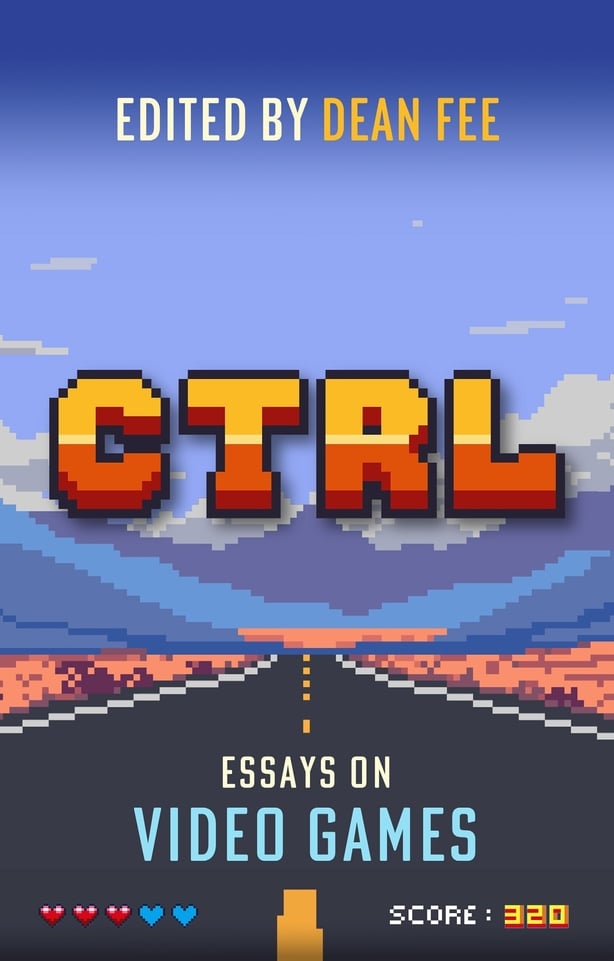
CTRL is published by Lilliput Press - find out more here
