


We present an extract from Buried Secrets: The Murder of Tina Satchwell, the new book by journalist and former RTÉ Prime Time Security Correspondent Barry Cummins.
In Buried Secrets, Barry Cummins gives a journalist's account of the Tina Satchwell murder case, from her 2017 disappearance in Youghal to the cold-case breakthrough years later.
It is a true crime investigation about coercive control, deception, justice and the persistence of those who refused to let Tina be forgotten.
Making Contact
It is 15 November 2017 – 34 weeks since Tina disappeared – when I first make contact with Richard Satchwell. I have many thoughts as I ring him on his 085 phone. One is that I could well be phoning a killer. I have repeatedly watched Richard's appearance on Crimecall on 26 June and I am very troubled by it. His demeanour is completely different in that appeal to other television interviews he has done. On Crimecall he appears distraught, sobbing, but in the other interviews he has struck me as slightly removed or even defiant.
Throughout the summer and autumn I have spent hours watching Richard’s interviews on news bulletins on RTÉ and TV3 News, which he gave in June and July. I am trying to see what I can learn, not only by what Richard is saying, but also by the manner in which he is saying it. It is normal for anyone to be upset while making an appeal for a missing loved one to return home, but the emotion Richard exhibits on Crimecall, staring straight at the camera – as if looking directly at Tina – jars completely with his demeanour in his other television interviews. Having interviewed dozens of families of missing people, I have never encountered anyone displaying the varying emotions Richard was exhibiting at different times.
Watch: Richard Satchwell Talks About his Wife's Disappearance on The Ray D'Arcy Show in 2018
On the same day the Crimecall appeal is broadcast, Richard stands on the Old Pier in Youghal and, in the interview with RTÉ’s Paschal Sheehy, turns to face the camera, as if speaking directly to Tina – 'Tina, the parrot’s got lovely. The dogs are missing you.’ He seems more matter-of-fact, not terribly upset. During this interview Richard speaks about the impact of Tina’s disappearance on him. ‘I’m getting more and more worried. I’m finding it more difficult to sleep with worry. I’m struggling to eat, and I just know someone out there has to know something.
’In the Crimecall appeal the emotion on display is completely different. ‘Tina, come home, there’s nobody mad at you,’ Richard says while taking off his glasses, wiping his teary eyes and looking directly at the camera. ‘My arms are open. It’s killing me, Tina, love.’ During July and August, at my desk in RTÉ, I replay the Crimecall segment a number of times, trying to figure out what is really going on with this case. Richard seems genuinely upset, his eyes are moist, but there are no tears falling down his cheeks. He is shaking with emotion; he is troubled. I can’t figure it out, but I know the Crimecall appeal is different to the others, where Richard seems defiant while also approachable, steady while also vulnerable. Richard’s personality is a conundrum – he seems a complicated character, whom I very much want to meet and interview.
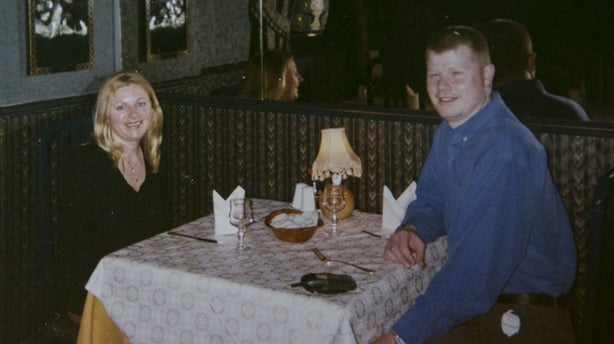
Another thought I have, as I dial his number this Wednesday afternoon in November, is that Richard might be completely innocent. Based on his media performances, I feel he could be a good fall-guy for someone else – perhaps a serial killer – who might have caused Tina harm and is quite happy to let suspicion fall on Richard.
I want to allow Richard to tell his story and not pass judgement before he does. Every time I think that he might be the person responsible for Tina’s disappearance, I remind myself not to jump to conclusions, and I chide myself for not keeping an open mind.
It is Prime Time researcher Paulette O’Connor who first suggests I do a lengthy report about Tina’s case. ‘Well, Barry, what did you make of Crimecall?’ Paulette asks as we chat in the office towards the end of June 2017. She is the acting deputy editor of the programme at the time. As Paulette speaks with me, the programme editor, Donogh Diamond, comes along the corridor, and he is also intrigued by the case of the missing woman in Youghal and the husband now making multiple media appeals.
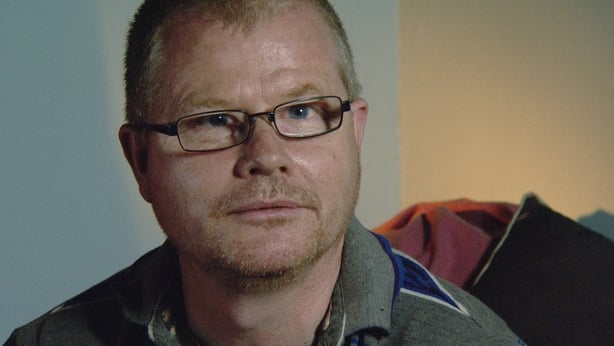
‘It’s definitely a story we should cover if it continues long-term,’ I say. I know, from experience of other cases, that following the Crimecall appeal a number of leads will be given to gardaí by members of the public that will have to be followed up. That may mean further reporting by the RTÉ newsroom, and if that happens it will limit the opportunity for Prime Time to do anything significantly different. ‘I’ll keep an eye on it,’ I tell Donogh and Paulette, which they know means I’ll keep a very close eye on it. Given my huge professional interest in missing persons cases, especially having written five true-crime books, the editors in RTÉ know that, if I am given time and space, I can bring something very different to the reporting of the case of missing woman Tina Satchwell. I am already in touch with a number of sources about the case, and I know there is a lot of suspicion about Richard and his movements in the week his wife disappeared.
I wait throughout the summer of 2017 to see if there might be a breakthrough in the case. I know gardaí will be following up on the many tips from the public that will result from the publicity the case is receiving. I am not surprised to hear in August 2017 that a full day of extensive searching, both on land and in the water, is taking place in Youghal. Garda divers comb the waters of the Old Pier near Richard and Tina’s home, and Superintendent Eamon O’Neill does media inter-views, outlining the extent of searches following up leads that have come to light in the wake of the Crimecall and other media appeals. The superintendent reiterates his request to the public for assistance in finding Tina.
With the search in August 2017 failing to find Tina, or establish any credible lead, I know the time is right to look into doing a longer, more extensive report on what is now becoming a cold case.
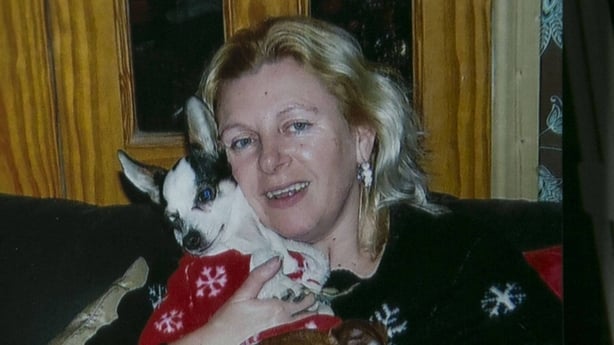
Now, towards the end of 2017, I want to dedicate my time to the case of Tina Satchwell. Despite all the garda activity, there has been no breakthrough, and in October I contact Inspector Conor O’Murchú in the Garda Press Office asking for assistance in contacting members of Tina’s family to see if they will do interviews. I could easily have made contact without garda help, but I have long believed that, when a case is subject to garda investigation, the proper way to reach out to families is via a garda liaison. And so, on Wednesday, 15 November, Detective Inspector Brian Goulding rings me from Midleton station and tells me that, with their permission, he is giving me phone numbers for Richard Satchwell, Tina’s niece Sarah Howard and Tina’s aunt Margaret Maher. I thank Brian, saying I will ring all three that afternoon.
As I dial Richard’s number, I know I need to be clear that I can only commit to doing a lengthy report about Tina’s disap-pearance if I can film inside their house. After 14 years working in RTÉ, I know what works visually and editorially. Prime Time is coming late to this story and needs a good reason to justify putting in the resources now on a report that will take the team and me at least a month to film and edit.
Having watched all the media coverage of the case during the summer of 2017 I know that two newspapers have managed to take photographs of Richard inside the property, but both RTÉ and TV3 have not filmed inside the house. That’s the one element missing in the reporting. Tina was last seen inside her home: that’s where Richard says she waved him off as he headed to Aldi in Dungarvan on 20 March. That’s where she left her keys and phone. That’s where all her belongings are, and there’s a parrot and two dogs there too. So many elements of her life are in that house. As I wait for Richard to answer the phone, my mind is very clear – I need to get into that house. Only filming inside the property will allow me to bring something different to my reporting on the case and ensure my report is lengthy and detailed – hopefully, in turn, leading to information being passed on to gardaí.
We need your consent to load this rte-player contentWe use rte-player to manage extra content that can set cookies on your device and collect data about your activity. Please review their details and accept them to load the content.Manage Preferences
Listen: Today with David McCullough talks to author Barry Cummins
I have heard Richard is being selective about who in the media he will speak with. Although he first spoke with two newspapers in June 2017, over time he has come to criticise other newspaper coverage of his wife’s disappearance and is now referring to many print journalists in a disparaging way. He has engaged with radio stations in Cork, speaking on 96FM and Red FM, and he seems to like that such interviews are live: he can control what he says, and he can ensure what he says isn’t edited. He doesn’t have similar control with television appearances, but he is apparently happy with the way the pre-recorded TV interviews were edited. Richard seems particularly comfortable with Paul Byrne of TV3 News, who pulled no punches in putting to Richard that some people were speculating that he had caused harm to Tina. But Paul also allowed Richard space to answer the question, and Richard seemed to like that.
I know that if ever I get to interview Richard he has already been asked ‘the hard questions’, and my unique way of telling a fresh version of the story will be to make Richard as comfort-able as possible to allow him to say as much as possible. If he agrees to do an interview with me, I plan to seek to meet him a number of times in different locations, and so build layers of the story over time.
I am standing on a street in Ranelagh looking at the leaves of a large tree as I wait for Richard to answer. I could have been anywhere, but I remember exactly where I was. Within moments of getting his number I have dialled it. I have studied this man so much in his interviews, and I’m now about to speak directly with him.
We need your consent to load this rte-player contentWe use rte-player to manage extra content that can set cookies on your device and collect data about your activity. Please review their details and accept them to load the content.Manage Preferences
Watch, via RTÉ News: Richard Satchwell sentenced to life imprisonment
After a few rings, Richard answers his phone, saying hello. I say hello back and identify myself, saying gardaí have given me his number. He tells me he has been expecting my call, after a detective contacted him earlier. The line sounds busy, with background traffic noise, as if Richard is travelling or standing by a roadside.
He sounds friendly, and I quickly get to the point, making my pitch in one go. I look at the leaves in front of me, and I tell Richard I am sorry for his situation and for all of Tina’s loved ones and that I am very interested in doing a lengthy report for Prime Time. To do that, I feel I need to film inside his house, to show Tina’s environment, and to interview him inside the property. If he can do that, I can guarantee I will do a significant report that might assist the ongoing appeal. I take a breath. ‘Is that something you feel you’d be able to do?’ I wince slightly as I ask the question, suddenly nervous that, after all my effort and research, Richard could simply say no and that will be that.
Richard waits less than half a second before responding with one word: ‘Yes’ comes the reply. I clench my left fist in a gesture of success.
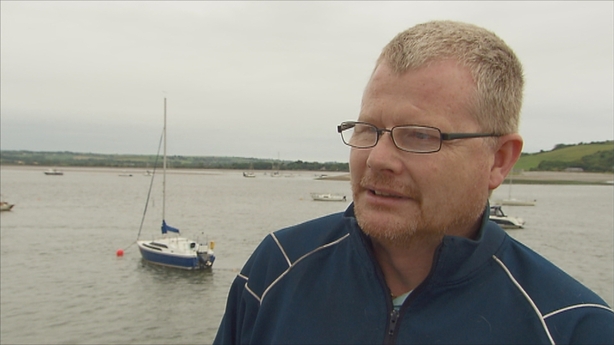
As I stand on the street in Dublin 6, asking Richard if I can bring a television camera into his home, it never dawns on me that Tina might be buried within the property. I haven’t thought too much about it, but given the garda search earlier in the year, the one fleeting thought I’ve had is that inside 3 Grattan Street is the one place Tina is not to be found. I am not trying to trap Richard or trick him – I still have no idea whether or not he has any secrets – but I feel that filming inside the house would allow viewers a more considered insight into who Tina is and also, importantly, who Richard is.
I ask Richard if the following Tuesday might suit to do an interview. ‘I’m off on Mondays, but I could meet you Tuesday evening,’ Richard tells me. ‘I’m at work at the minute, actually. I’d be home from work about four thirty or five o’clock on Tuesday.’ I know then and there that Richard will do an interview no matter what – even if something happens to change the date and time. I feel from his voice that he’d already been considering whether to speak with me at all, and he has decided I am someone he can trust. I have a feeling he has looked me up and knows what I do.
I tell him I am going to ring Sarah and Margaret as well to see if I can meet them on a different day in Fermoy. Richard says that is fine. I have no idea that Tina’s family have become increasingly concerned at aspects of Richard’s behaviour, with some suspecting he is hiding secrets.
The phone call is quick, but it sets the tone for a future relationship between us. The conversation is friendly, not confrontational. I am straight with Richard, and he seems to be a straight talker too. We will never be friends, but we will become close acquaintances, and we are on first-name terms from that first phone conversation. Soon after I hang up I send him a text: ‘Hi Richard, good speaking with you. I’ll check in with you over the weekend to see if you [sic] free to meet next Tuesday afternoon/evening. Best wishes, Barry Cummins, RTÉ.'
I immediately contact my editor, Donogh Diamond, to say Richard has agreed to an interview and that it will be in his home in Youghal. Donogh is delighted and says that, if all works out, he’s planning for me to broadcast a lengthy report on the case before Christmas. I feel that is very doable and ask for a producer to be assigned immediately. Donogh says Kevin Burns is free and I immediately get in contact with him. Kevin and I have worked together for six years, and know each other well. We have recently worked on a documentary marking the 40th anniversary of the disappearance of six-year-old Mary Boyle who vanished near Cashelard in Donegal. I know Kevin will have a good way with Richard, will be conversational and will have an eye for what to film inside the house.
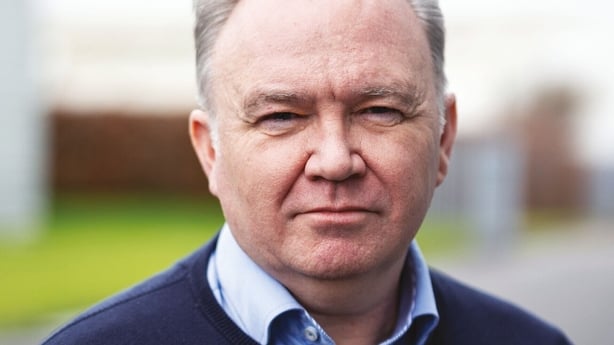
On Sunday, 19 November, I ring Richard again. It is a quick conversation but he confirms he’ll be free to meet at his home the following Tuesday. I tell him we will be driving from Dublin and would aim to be in the town for around half past four and will check in with him to see when is good to call to the house.
Meanwhile, Kevin arranges that Shirley Bradshaw will be our camera crew for the interview. Shirley has only recently joined Prime Time. In subsequent years we will work closely together, travelling to Moldova and Spain to film lengthy reports about other stories. We will come to know each other’s cues very well. But our first time working together will be inside 3 Grattan Street in Youghal. I am unwittingly about to bring Kevin and Shirley inside a property that holds chilling secrets.
On Tuesday, 21 November, I ring Richard after 4.30 p.m. but the phone rings out. I am not too worried. I trust my instinct, and I trust the phone conversations we have had over recent days. I know Richard will meet us as arranged, I am convinced. I am in a coffee shop in Youghal with Kevin and Shirley, having a brief meeting about the job we are about to do. ‘We should be in no rush to leave the house,’ I say. ‘No other TV crew has filmed inside. I haven’t met Richard, but I’ve spoken with him on the phone and he’s happy for us to visit the house. Let’s take our time there so we film everything we need.
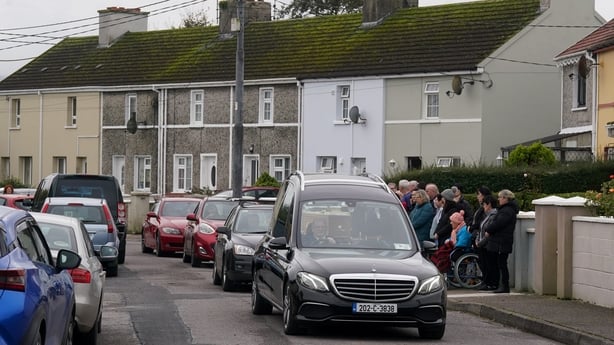
’At 5.07 p.m. my phone buzzes with a text – it’s Richard: ‘Hi back in Youghal.’ We gather up our equipment – camera, tripod, microphones, lights – and head for the house. There is a nervous energy about what’s to come. I have heard the house may be unpleasant to visit, but nothing can prepare us for what we are about to encounter. And I could never have imagined, approaching 3 Grattan Street on this dark November evening, that what we are about to film will one day be played as part of a prosecution case leading to the interviewee being convicted of murder.
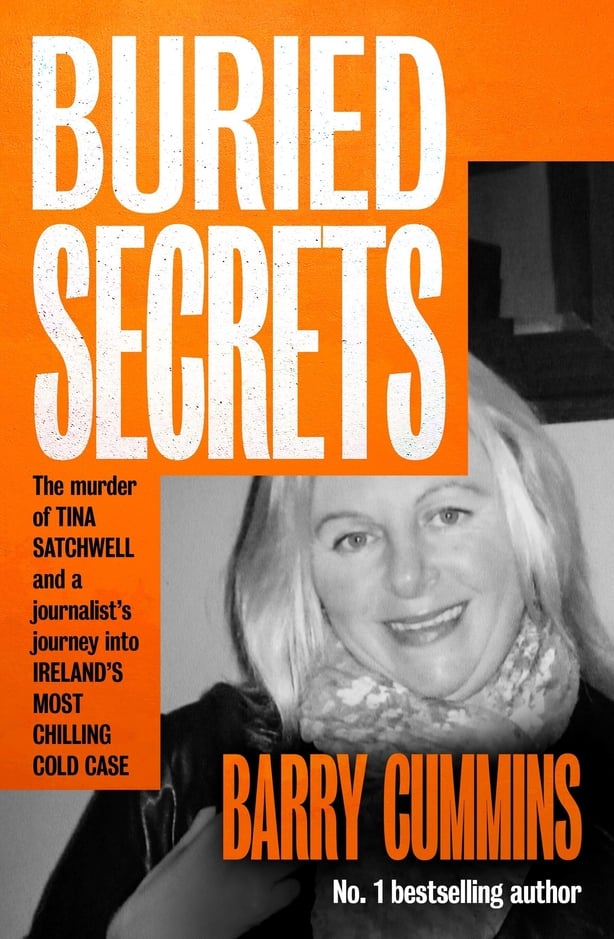
Buried Secrets: The Murder of Tina Satchwell is published by Gill
