


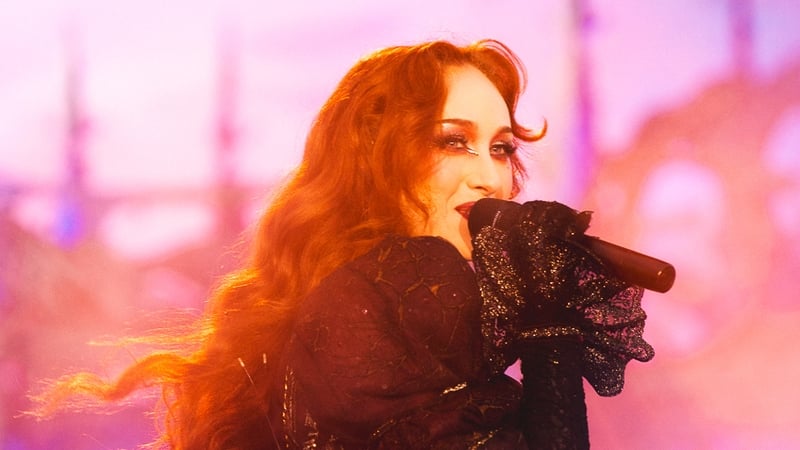

She's only gone and done it again.
Not only is Chappell Roan one of the biggest musical stars of her generation, but she’s also one of the most polarising - or at least, she has stirred up more controversy and debate about the expectations placed on celebrities in the current age - than possibly anyone else of her ilk.
Much of the Pink Pony Club’s persona has been about celebrating outsider culture, but she has been very forthright when it comes to her views on fame. In the past, she has cancelled gigs citing her mental health as the reason. More power to her, most people agreed. Generations of artists have been wrung dry, exploited, driven to the edge by the people in power for the sake of maintaining a public image. Some of them have not stayed the course.
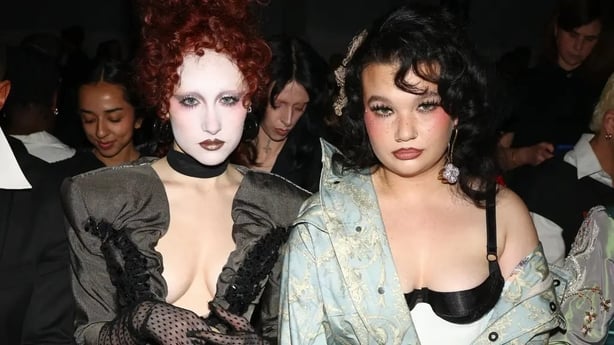
about their celebrity travails (Pic: Getty)
In 2024, she took to TikTok to air her views on celebrity. "I don’t care that abuse and harassment, stalking, whatever, is a normal thing to do to people who are famous or a little famous," she said. "I don’t care that it’s normal. I don’t care that this crazy type of behavior comes along with the job - the career field I’ve chosen. That does not make it okay. That doesn’t make it normal. That doesn’t mean I want it. Doesn’t mean that I like it. I don’t. Whatever the f**k you think you’re supposed to be entitled to whenever you see a celebrity. … I’m allowed to say no to creepy behavior."
The latest debacle was kickstarted by an Instagram post made by a retired Brazilian footballer, who accused Chappell Roan of deploying a "large security guard" to intimidate his young daughter. The child’s alleged crime? She had apparently walked past the pop star’s table during breakfast at a hotel, "smiled, and went back to sit with her mum". There was no harassment or even an interaction, he claimed; "It was just a child admiring someone."
Fame has become a more precarious tightrope act than ever before. It's a dangerous existence. A zero-sum game.
Roan replied, denying that she had unleashed her minions to berate an 11-year-old, and even the security guard in question, Pascal Duvier, was forced to weigh in and confirm that he was not employed by Roan but had taken it upon himself to step in. Still, the damage was done: suddenly, social media was aflood with similar stories or out-of-context clips portraying Roan - not without an undercurrent of misogyny, it must be said - as an ungrateful, uppity wench who does not play by 'the rules’ and should be thankful for her fans at any personal cost.
The hot takes were as plentiful as they were divided: in this age of parasocial relationships, are famous people wise to create a firm boundary and be fierce advocates for their own safety? The notion of ‘celebrity stalkers’ used to be an oddity, but social media has completely changed the fame game. If your favourite singer is blurring the lines by sharing what they had for breakfast with their millions of fans, surely they can stop to chat or take a selfie? There is a sense of dehumanising celebs, too: they’re rich and famous, they’ll get over it. They should be used to it. And aren’t the fans the reason they’re famous, anyway? They should be grateful, really. They owe us everything.
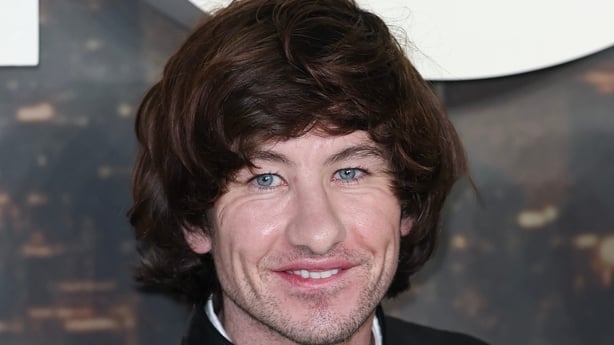
The flipside of that, of course, is when you hear the experience of someone like Barry Keoghan. The Dubliner is no longer on social media, having deactivated his Instagram account last year due to the "Absolute lies, hatred, disgusting commentary about my appearance, character, how I am as a parent and every other inhumane thing you can imagine." His comments in a recent interview doubled down on those claims, as he told Sirius XM how he still sneaks the odd peek at what people are saying about him.
"There’s a lot of hate online," he said. "There’s a lot of abuse of how I look, and it’s kind of past the point of: ‘Everyone goes through that.’ And everyone does, but it’s made me shy away. It’s made me really go inside myself, not want to attend places, not want to go outside. And I say this being absolute pure and honest to you – it’s becoming a problem."
You might argue that anonymous online abuse and approaching celebs in the street with a request are two different things, but really, they’re two sides of the same coin. Fame has become a more precarious tightrope act than ever before. It’s a dangerous existence. A zero-sum game. Who’d want to be famous in 2026? You’d have to be certifiable. And while most of us can agree that it’s always nice to be nice, it’s worth remembering that kindness is a two-way street, too.
Lauren Murphy is the co-host of the weekly culture podcast Get Around To It - listen here
The views expressed here are those of the author and do not represent or reflect the views of RTÉ
