



Although estimated to be bigger than the film, TV and music industries combined, the world of gaming can be absolutely merciless and unforgiving.
Despite taking years of meticulous skill, ingenuity, and funding, a new game can disappear entirely in just a few short days or weeks.
All that hard work? Poof.
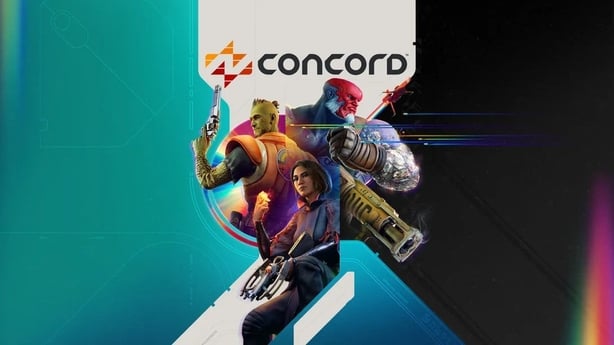
You need only look at the likes of Concord, Sony's 2024 hero-shooter, to remind yourself of this cruelty. After just two weeks of low sales, the game was canned, it's creator Firewalk Studios was closed, and an estimated $200m to $400m was allegedly lost in the venture.
We need your consent to load this rte-player contentWe use rte-player to manage extra content that can set cookies on your device and collect data about your activity. Please review their details and accept them to load the content.Manage Preferences
Listen: Today on RTÉ Radio 1 asks what happened to Concord?
Well, it seems history is repeating itself once more.
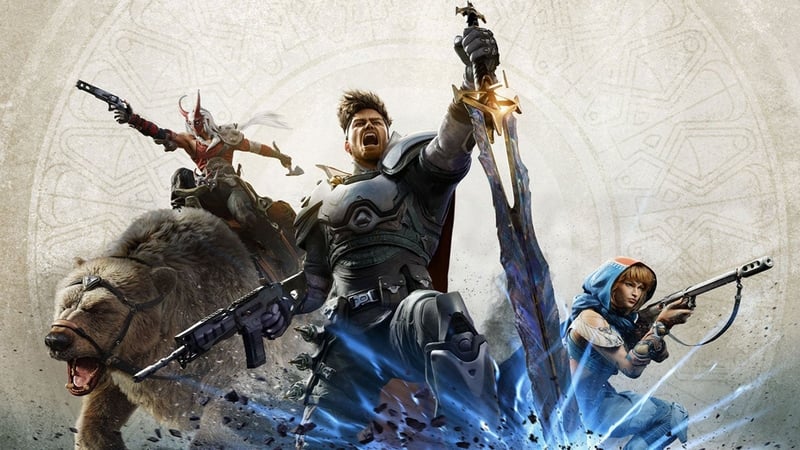
This year, hero-shooter Highguard has followed a somewhat similar fate, shutting down on March 12th, just short of 50 days of play. Its legacy? To live on now as an Internet meme.
Highguard’s premature death serves as a painful reminder of where the gaming industry we all love is at right now. Studios are at odds between creating something meaningful and ensuring guaranteed profitability from the get-go.
The message is clear: become a hit immediately, or never at all.
While many gamers are strangely jubilant over big-budget failures, downsizing across the board concerns me, both for the quality of games we can expect, and for the industry's future creativity. With each closure (of which there are now many), there is an exodus of brilliant talent and ideas.
The sad truth is that the risk of developing new ideas is too grave. Is it any wonder why we see rehashed remasters after remasters, remake after remake, on games we’ve played already?
What will happen when we want to play something 'new'? Is it not time we redefine what a 'good game’ is, or can be? Shouldn't we be more forgiving and reward ambition? Does success have to be instantaneous?
If so, the world’s biggest entertainment industry may very well be heading into a stalemate.
Highguard demonstrates a low point in how we treat new ideas
For recent games like Highguard, the odds were stacked against it from the get-go, even before it was released. It all started when its debut trailer aired at the close of the Game Awards last year.
This spot, typically reserved for a viral announcement meant to keep everyone on the edge of their seat, fell short of expectations, with viewers miffed that such a prestigious spot was wasted. The team's radio silence following the debacle didn't help matters, either.
So when Highguard finally released a few weeks later on January 26th, thousands of angry gamers were ready to pounce, leaving negative reviews within its opening few hours.
Now, Highguard had its faults, and it wasn't just the controversial marketing that was fully to blame for a lacklustre opening. In my review earlier in the year, I agreed that the game felt too busy, borrowing several mechanics from other popular shooters, and not forging out its own identity.
Hero-shooters are already plentiful, and my worry then was that the game did not have the means to make any of its future plans a reality, and carve out its own name. But as a free-to-play game, the only commitment you were expected to make was your free time.
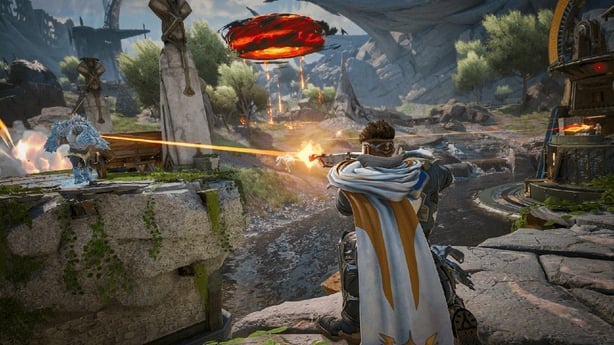
As reported by Forbes, the game lost over 80% of its player base within 24 hours, falling from 97,000 players to just 19,000. Its developers were keen to address the game’s shortcomings and quickly introduced new game modes and implemented updates in record time. Fans keen to keep playing were happy, but it wasn’t enough to curb that drop-off. Layoffs and the decision to shut servers entirely soon followed.
The ricochet effect: there’s no room to take a risk anymore
In my view, no developers, artists, writers, actors, musicians or marketers go into a project with the intent to waste your time and money. They’re aiming to catch your attention and imagination, invite you into their new world, and hopefully impress you.
But long development times and volatile market conditions mean a great idea from a couple of years ago might not translate upon release. It’s an unfortunate reality of how long games take to be made now.
But what surprises me is just how quickly success needs to be achieved in order for a great idea to keep the lights on. You can no longer let a game 'cook’, slowly building an audience and finding your feet, improving over time with feedback in the hopes of striking gold.
No, success needs to be immediate.
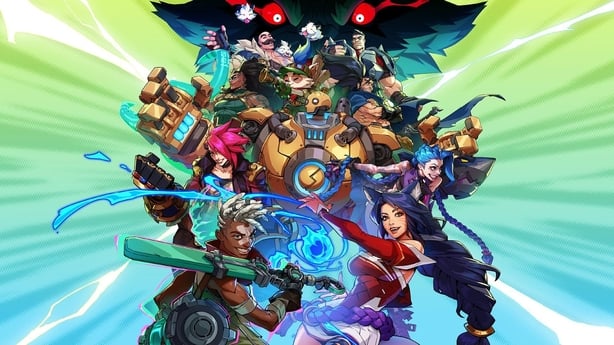
Gaming goliath Riot Games, the creators of League of Legends, recently announced they were to downsize the team behind brand new fighter game, 2XKO, because ‘overall momentum hasn’t reached the level needed to support a team of this size long term.’
This is only weeks after the game’s launch.
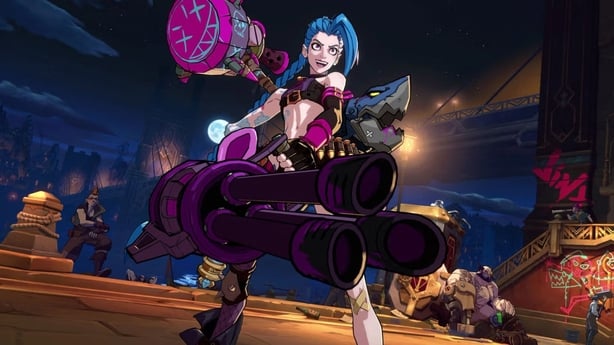
League of Legends, a game with over one hundred million monthly players, a hit Netflix show, and whose esports competitions fill out stadiums, seemingly can’t release a new spin-off game set in its own universe, in this day and age. That's worrying.
Similarly, Ubisoft, the makers of Assassin's Creed and Prince of Persia, announced earlier in the year that they were cancelling six video games, as well as closing studios in Sweden and Canada. While they didn’t reveal all of the projects that were axed, something in me reckons that the gaming world is all the worse off for it.
The Prince of Persia: Sands of Time remake has been canceled by Ubisoft and will never be released. pic.twitter.com/TMoYMTIUcr
— The Game Awards (@thegameawards) January 21, 2026
For me, there are two issues at hand. The glacial pace of game development, which can often take years, means that fads companies want to chase may not be everyone’s cup of tea upon release. Highguard and Concord are testaments to that unavoidable reality.
But the second I feel is gamer expectation. The joyful scenes from people on social media over games failing, of people losing their jobs, and studios closing, is beyond baffling.
How exactly can we reward risk-taking and creativity and foster a new golden era of gaming if studios are punished for trying to do so? Can we really expect a brand new franchise, a ‘new’ Last of Us, God of War, or Super Mario to start off if studios are petrified of taking on such a challenge?
The turbulent launches of recent games have left the gaming industry in a precarious state right now. A big-budget failure can and will cause a ripple effect on other studios and their investors, the results of which we may never begin to realise.
When one big release fails, ideas from around the world are shelved in response. A chain reaction happens, where talent leaves the industry entirely. And we will be left playing remasters of remasters, stuck in franchises too afraid to expand.
My fear is that the death of Highguard will echo for much longer than the few short weeks it was kept alive.
The views expressed here are those of the author and do not represent or reflect the views of RTÉ
