


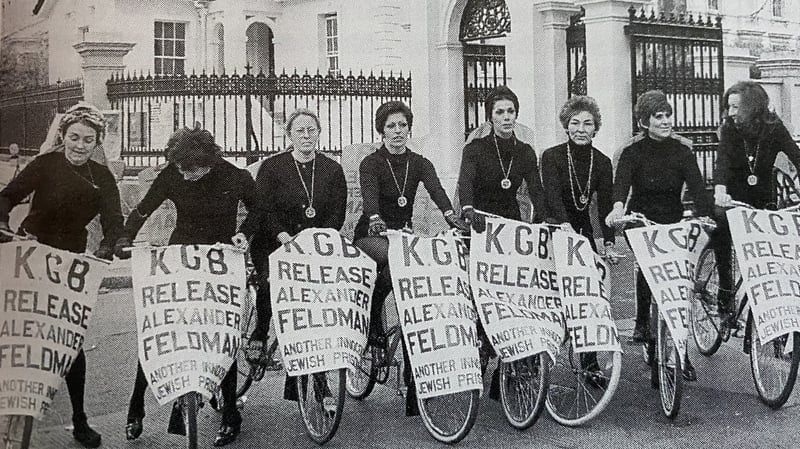
At the height of the Cold War, a group of Jewish housewives and activists in London, Dublin and elsewhere took on the USSR in defence of the rights and freedoms of Soviet Jews — and won.
Filmmaker Aoife Kelleher, whose new RTÉ documentary Iron Ladies tells their previously untold story, explains the background to their campaign and its lasting impact - watch Iron Ladies now, via RTÉ Player.
On May Day 1971, thirty-five Jewish women, dressed in black, gathered outside the Soviet Embassy in London and began a hunger strike. Their protest was sparked by the arrest and imprisonment of Raiza Palatnik, a 35‑year‑old librarian from Odessa in the then‑USSR. Palatnik had been accused of possessing and distributing samizdat - materials deemed slanderous to the Soviet state - in her case, books in Hebrew and documents relating to Judaism and Israel, including a New York Times interview with Golda Meir.
Palatnik was also one of thousands of Soviet Jews who had applied to emigrate to Israel and been refused exit visas. Known as otkazniks - or refuseniks - they often faced severe consequences for their supposed rejection of the Soviet system, including harassment, surveillance and imprisonment.
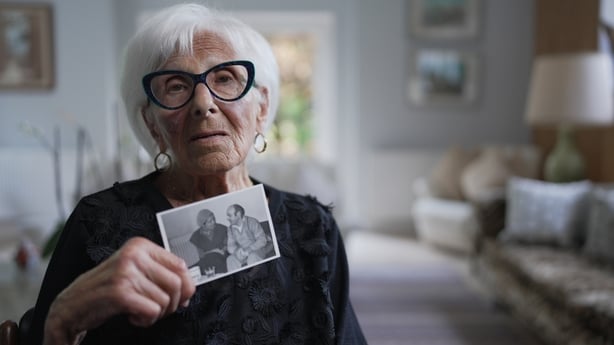
Before the women's protest, Palatnik had been held in isolation with no access to her lawyer or parents. Within hours of the strike beginning, the group received word from an Israeli diplomat that she had been moved from solitary confinement to a regular prison cell. They were elated.
The success of this first action galvanised the group - largely suburban housewives and young professionals - to launch a sustained campaign to free the refuseniks and uphold the rights of Soviet Jews. Leaders such as former model Barbara Oberman and PR veteran Doreen Gainsford understood the power of spectacle and media attention. Their theatrical demonstrations and weekly vigils outside the Soviet Embassy caught the imagination of the British press, who dubbed them The 35s, based on their ages and numbers. Soon, international chapters sprang up in Canada, New Zealand and Ireland, where women who had previously led sedate lives of quiet domesticity in Rathgar and Terenure, suddenly found themselves taking on the role of activists.
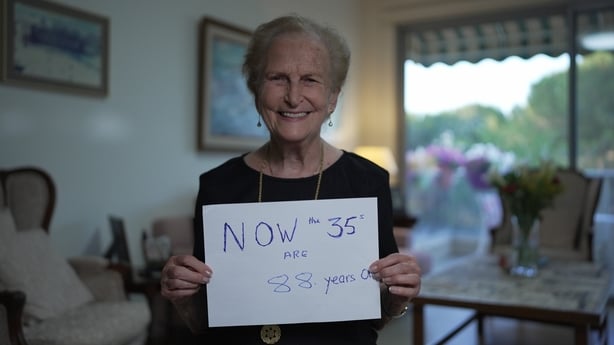
The Irish 35s invited Doreen Gainsford to brief politicians in Leinster House about the plight of the refuseniks. They organised protests outside the Soviet Embassy on Orwell Road, raised funds, and even made clandestine trips to the USSR. Travelling in pairs and carrying suitcases packed with jeans, cigarettes and other contraband, they crossed the Iron Curtain to deliver financial aid and moral support to persecuted Jews and their families.
The events chronicled in Iron Ladies offer valuable insight into the current situation in Israel and the wider region.
At home, The 35s promoted individual cases, carrying placards with the names and faces of imprisoned refuseniks to ensure that they became widely known. Among them was Anatoly "Natan" Sharansky, an outspoken campaigner for Jewish emigration who had worked with other dissidents in the Moscow Helsinki Group to expose human rights abuses in the Soviet Union. Arrested in March 1977 and charged with high treason, Sharansky became one of the movement’s most prominent causes. The 35s lobbied tirelessly on his behalf, writing to politicians and international organisations and demanding pressure on the Soviet authorities. They also supported his wife, Avital, as she travelled the world drawing attention to the harsh conditions of his imprisonment.

The 35s proved relentless - and effective. Raiza Palatnik was released in 1972; Sharansky in 1986. Both were eventually permitted to emigrate to Israel. Their stories, and those of the activists who fought for them, are told in Iron Ladies.
The events chronicled in Iron Ladies offer valuable insight into the current situation in Israel and the wider region. Palatnik and Sharansky were among more than a million Soviet Jews who emigrated to Israel during the 1970s, 80s and 90s — one of the largest immigration waves in the state’s history. In the 1990s alone, immigration from the former USSR increased Israel’s population by almost 20%. Despite the enormous pressure this placed on housing, land and infrastructure, the Israeli government actively encouraged the influx, lobbying US politicians to ensure that Soviet Jews were not granted automatic refugee status in the United States when they could qualify for Israeli citizenship under the Law of Return.

The new immigrants also became a significant political force. Sharansky served in the Knesset and held several ministerial posts before resigning from government in 2005 in protest at Prime Minister Ariel Sharon’s plan to withdraw Israeli settlements from the Gaza Strip. It is widely acknowledged that the arrival of the Soviet Jews helped shift Israeli politics to the right and strengthened opposition to territorial concessions to the Palestinians.
"Two Jews, three opinions" — a proverb illustrating the diversity of thought within the Jewish community — was quoted frequently during the making of the documentary and reflected the breadth of views expressed by contributors about modern Israel. Still, it remains striking that so few of the once‑refusenik leaders, including Natan Sharansky and Yuli Edelstein, carried the spirit of empathy, liberation and social justice embodied by The 35s’ campaign into the politics of their new homeland.
Iron Ladies, RTÉ One, Thursday 11th March @ 22.15 - watch now via RTÉ Player
