



When YouTube star Logan Paul sold a Pokémon card for a staggering €13.9 million in February, the world was well and truly gobsmacked. Was a picture of Pikachu the size of your palm really worth that amount of money? As it turns out - yes, yes it was.
Before you rush up to the attic in search of hidden treasure, know that the card in question - the Pikachu Illustrator - is considered by many to be one of the greatest collectables in the world. Chances are you won't have one hiding inside an old schoolbag or copybook.

What makes the card unique is that it was designed by Atsuko Nishida, the creator of Pikachu. Rather than being sold to the public, the card was awarded as a prize for an illustration competition in 1998. As such, it’s estimated that only 39 copies exist in the wild.
While you might not have a multimillion‑euro card from your primary school days, the record-breaking sale does highlight the surge in value Pokémon cards are enjoying right now.
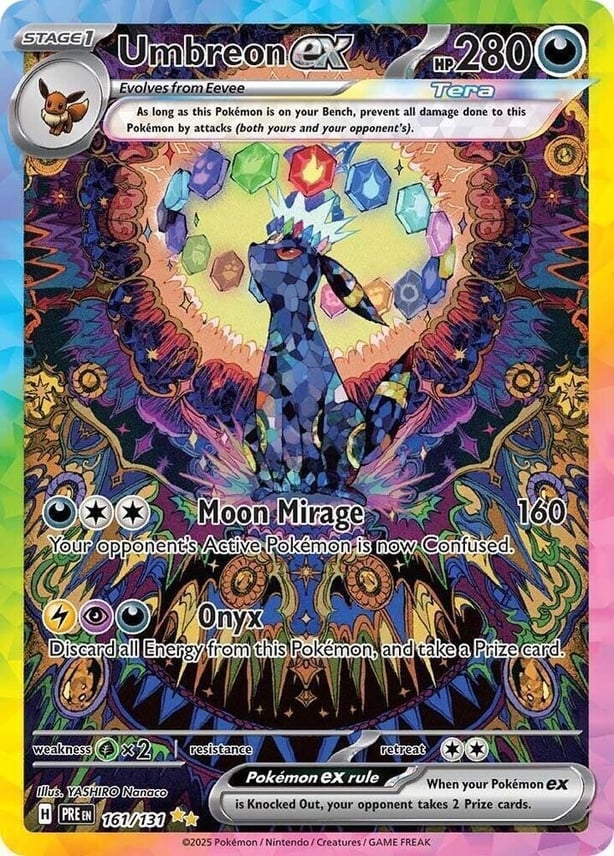
Nowadays, packs that should cost a couple of euros can, in fact, contain cards worth thousands. With every year that passes, and every new deck released, older cards become even more valuable and sought-after.
As Pokémon celebrates its 30th anniversary, and new characters and cards continue to roll off the presses, are we witnessing a new wave of investment opportunity? Will the cards you buy today be a future gold mine? And what impact might this have on genuine fans of the games that started it all?
Future nostalgia – the appeal (and value) of Pokémon continues to evolve
Starting back in 1996, Pokémon's simple idea of catching, battling and trading creatures quickly captured the world’s imagination. Its marketing strategy - collecting every character - was a stroke of genius.
Watch: Some Pokémon cards have had a more than 3,000% return on investment, WSJ reports
The result? You’re just as likely to find Pikachu and friends on clothing, in blockbuster films, or in music videos as you are to find them in video games. From the original 150, the roster has grown to over 1,025 distinct Pokémon, each with its own line of plushies, t‑shirts, figurines and, of course, collectable cards.
My generation were early pioneers of the franchise, to the point that the very mention of Pikachu was banned at school within weeks of his debut - mainly due to the card craze that took hold.
Lunchtime became the setting for cut‑throat business deals as we wagered our collections, swapping duplicates in hopes of completing an entire set. Bidding wars spilled into class time, causing drama for teachers who were simply trying to get us to learn the actual rules of the game.
Back then, no one really knew what a card was worth. Instead, you collected your favourites, or chased whatever Pokémon featured in that week's cartoon episode.
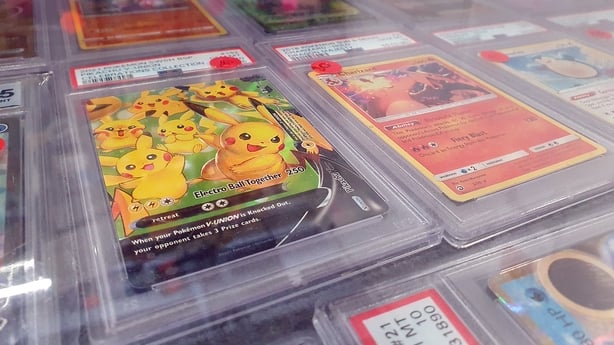
And yet, cards from that era can be worth a fortune. The highly coveted 1999 Charizard, for example, recently sold for £30,000 at a UK auction. You can put a price on nostalgia.
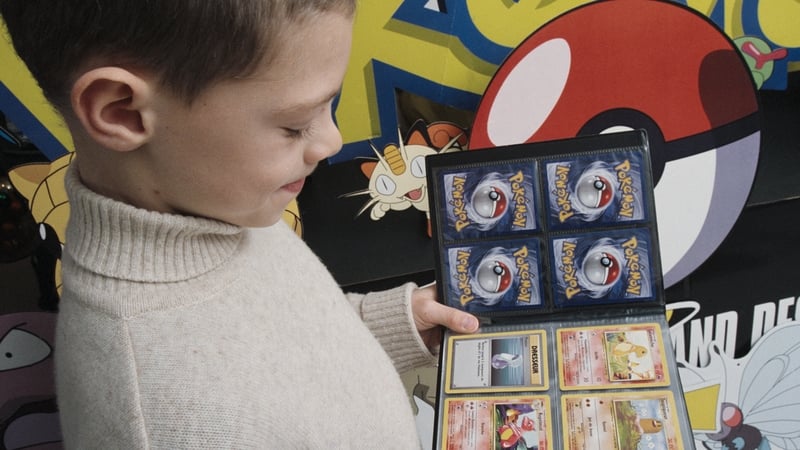
I still have that old binder of cards - sadly with no Charizard in sight. But flipping through it rekindles three decades of memories, with artwork that still stands the test of time.
That binder hasn’t seen many new entrants in recent years - not because I’ve lost interest, but because collecting cards has become nearly impossible, both in terms of availability and affordability.
Scalping – is scarcity pricing fans out?
I tasted the bitter sting of modern collecting last year with the release of the Prismatic Evolutions set. It focused on the popular Eevee evolutions, complete with beautiful art styles and rare pulls galore.
The hysteria was immediate. Several cards - such as Umbreon - were valued at over €1,000 upon launch, a wild valuation considering these were fresh prints still in active circulation.
That was all it took for people well outside the card‑collecting sphere to get involved. After checking a popular Irish toy shop's website, I headed in to pick up a pack, eager to add to my collection and see what strategies these new cards introduced to the tabletop meta.
Yet in the 10 minutes it took to drive there, everything had been wiped clean. Booster packs, trainer boxes - gone. I was baffled.
A clerk explained that people wait in their cars on restock days. As soon as Pokémon packs hit the shelves, they march in, buy everything, and move on to the next store. And so it goes.
Were they avid fans? Who knows. But the cynic in me doubts it. Those same boxes appeared online later that day at seven times their retail value.
This behaviour - scalping - has become a global plague across the collecting world, affecting Pokémon, Magic: The Gathering, Disney’s Lorcana and more. People buy out stock in-store and online to hoard cards, restrict circulation, and resell at inflated prices. Scarcity fuels value.

Pokémon at 30 – the craze is set to continue… but at what cost?
Pokémon cards have become a new form of liquid asset. Older, out-of-print cards can fetch obscene amounts of money online. Claims of 3,000% returns aren’t unrealistic.
Unopened packs sell for tens of thousands of euros, simply for the chance they contain something valuable. New releases attract similar hysteria as people buy up all available stock and speculate on which cards will be the next big commodity, whether in one year or twenty.
With new games on the horizon, including the highly anticipated Pokémon Winds and Waves, the future wealth of the franchise is secured. But what about its health?
A once pure and innocent hobby has become a slick industry. Playground bartering is now an investment strategy. Meanwhile, a thriving, largely unregulated black‑market economy increasingly dictates who can take part in the very tabletop game that started it all.
Right now, the cost of "catching them all" feels a bit too pricey.
