


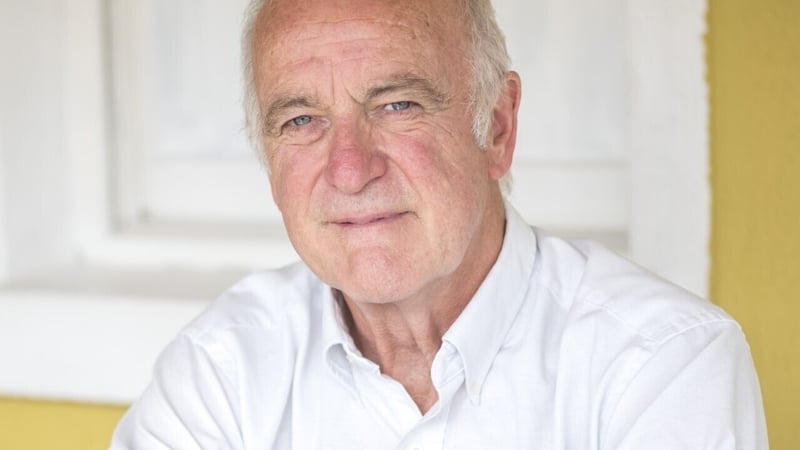
We present an extract from The Lock-Keeper's Wife, the new novel by John McKenna.
After the devastating loss of her two infant children, Julie McDermot is released from a psychiatric institution to a lonely life along the canal. A chance encounter offers fragile hope, while forcing long-buried truths about institutional incarceration into the light.
Monday, May 1
Last night, on the corridor of The Mental, I met the book-keeper, a man who hadn't spoken a word to me in the six weeks he’d been there. He stopped and said: 'I believe you’re leaving us tomorrow.’
‘I am,’ I said.
‘I don’t know if you remember,’ he said, ‘but the first night I was here, I was sitting in the dining room. You wouldn’t have known it but the words and the sadness were flying around my head like bats on a twilit road and then you came and sat beside me and, more than anything, I wanted to put my hand on yours and to feel the warmth of your skin, the outline of the bones beneath that skin, the contours of your fingers and the possibility of their twining with mine.’
‘I remember,’ I said. ‘Thank you,’ he said.
And then he walked away.
There are men who are wise. I have met some in my life. My father is one. And there was a man who lived close to Mullaghcreelan Woods, an old man who needed no one’s company beyond his own, who had a wisdom and a way with a few words and a memory that astounded me each time we spoke. The book-keeper had a wisdom about him, even in his silence. I knew that before ever he spoke and then I heard it in his voice and in the words he used. I will never forget the way he talked about those bats on the twilit road.
I wish we had spoken more but it was almost time for me to leave The Mental.
My husband is not a wise man; he’s a fool and worse.
My husband sent a hackney car to collect me. He wouldn’t come himself, of course. He didn’t bring me to The Mental and he wouldn’t collect me, and, if you asked him, he’d slobber at you over his drink that he didn’t have the heart for it, couldn’t bear to see me put away in that place. Sometimes he gets his tongue around a word like incarcerated and it makes him feel like a great fellow.
In the three months I was there, he never once dark-ened the door or travelled the twenty miles to see me.
So there I was, standing in the hallway, my bag at my feet, watching the avenue for a sign of the hackney car. It was very early, but it was bright. Summer had arrived that first May morning.
My husband had written and told me the car would come early, to give you a start on the day and the new life, but what that really meant was to get me home before most people were up and about.
Sunday, July 16
While my husband was at Mass, I made a picnic for myself and packed it in a bag and set off walking. I walked three locks down and then cut out onto the riverbank
I kept walking until I could walk no further, until I had gone miles beyond the point where summer Sunday walkers take their strolls.
And then I found a quiet place beneath a chestnut tree and I spread my picnic on the ground and ate and drank slowly and thought about Margaret and Robert. And I thought about my father. I didn’t think about the other two or about my husband. I thought only of hopeful things.
After I’d finished eating, I sat with my back against the trunk of the chestnut. A summer shower came and went but I stayed there, reading. At five o’clock I had another bite to eat and drank the last of the tea from the flask. And then I set off for home.
It was past eight o’clock when I stepped into the garden. I caught sight of him in the field behind the house. He was on his knees in the wet grass between the stones that marked the graves. I could tell by the tilt of his shoulders that he was crying. Was that for himself or for the children, I wondered. The tears were certainly not for me.
Saturday, July 29
Today my husband took a train from Bagenalstown to Kildare and from there to Thurles to visit his dying uncle.
‘You never know,’ he said. ‘He has a big farm and no children. You never know. It’s worth the price of the train journey.’
There are no working barges coming through, so the lock is quiet. ‘If there’s boats, holiday boats, you can see them through,’ he said.
I nodded.
I gave the house a quick tidy. I know I’m not a great keeper of a kitchen but, since Margaret and Robert emigrated there’s less to do and more time to do it.
When he was gone, I sat in the doorway and breathed a deep sigh of relief. He won’t be back until tomorrow night. A gentle rain was falling and then the sky began to turn and the rain stopped and the clouds softened and then disappeared and by midday it was bright and hot.
I walked to the top of the River Field and spoke to the children, laid a bunch of dog daisies and poppies on each grave. The stones around the graves were clean and bright after the rain, the light catching them like the glow of coals in winter. I told them how much I loved them and how I missed them and how I hoped their lives inside me had been happy.
Do I think they’re in Limbo? I do not.
If my husband’s mad dream came true and his uncle left him land and we moved, would we bring the children with us or would we leave their bones there in the corner of the field, under the sorrel leaves and clover? I doubt I could go without them but it wouldn’t concern him.
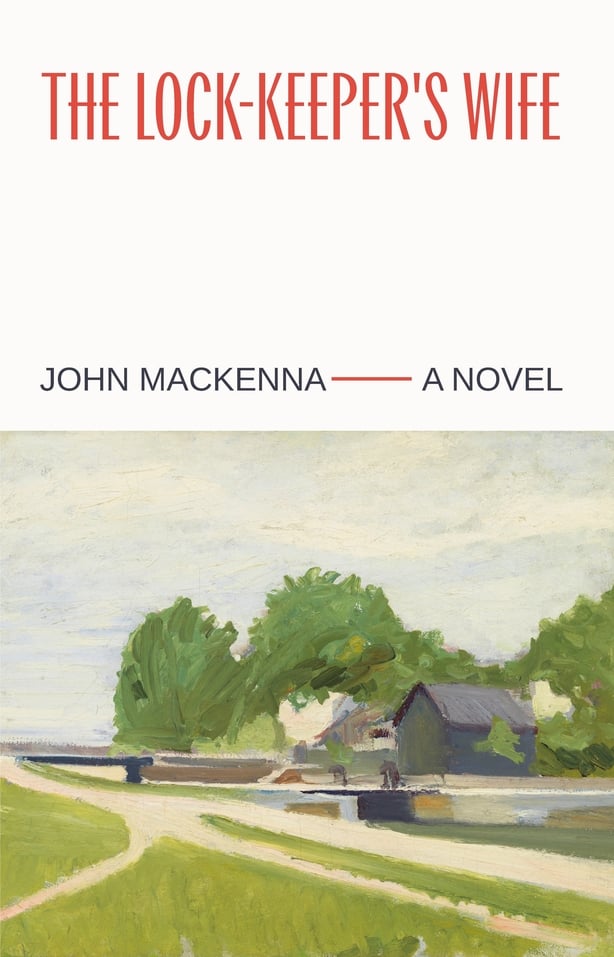
The Lock-Keeper's Wife is published by Lilliput Press
