



Ever dreamed of one day treading the boards, but don't know where to start? In a new series, award-winning actor and playwright Janet Moran, one of the stars of RTÉ's acclaimed dramedy The Dry, offers some tips for the budding actor...
In this instalment, Janet explores acting for the stage.
Now you've gotten through the terrifying and exhilarating technical rehearsal, where all the technical elements - lighting, costume, and sound - come together onstage, and you’re ready for your audience.
There’s a saying in rehearsal rooms: "Beware laughter in the rehearsal room," which speaks to the fact that one never really knows how an audience will respond. You should, of course, be thinking about the audience and even centring them in your rehearsal process, but still, there is a huge amount to learn from them when they finally arrive.
Before you step out, you’ll have done your physical warm-up so your body is limber, your focus enhanced, and your anxiety managed. Likewise, a vocal warm-up will help ensure clarity, breath support, and projection. Warm-ups also help prevent injury, as increased adrenaline may make you go that bit harder in a fall, fight, scream, or whatever it is you have to do onstage.
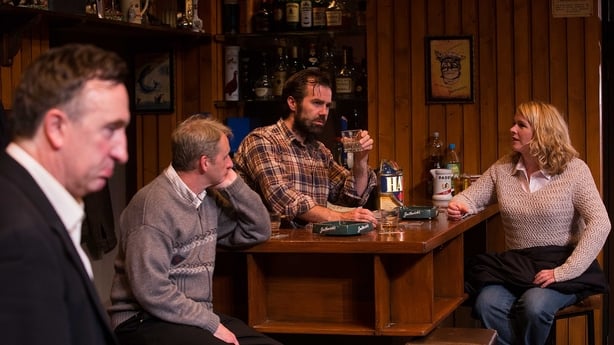
And as with auditions, the trick is to know it so well that you can go onstage and forget it all. The great Irish actor Anita Reeves once told me that she walked onstage every night not knowing what was going to happen — and then was constantly surprised. She was very special. It’s a particular kind of self-deception, but if you can allow yourself to be surprised, then you truly will be alive in the moment, and it will be as surprising to the audience as it is to you.
It’s why listening is so important. A lot of actors focus so much on what they have to say that they forget to listen to what’s being said to them and so lose the ability to react authentically — allowing the other actor’s words to impact them physically and emotionally. Listening is the key to being alive onstage — and to being truthful. You’ll have done everything you can to engineer a situation where you are telling the truth, but that doesn’t mean the audience isn’t part of that experience. It’s in the sharing of your experience that connection lies — and if it’s not for them, then what’s the point? Making sure your body is open, your face can be seen, and that your physicality is telling the story as much as your words are is essential.

Extraordinarily, a medical study found that being onstage is physiologically equivalent to being in a small car crash. This goes some way towards explaining the levels of adrenaline - and perhaps the cost of reproducing a performance every night, sometimes for months.
You can read the books, and you can certainly learn the skills, but ultimately you’ll find the way that works for you. After that, you’ll discover how thrilling and liberating it can be - not only to play versions of yourself, but people utterly different from you.
The strange alchemy that happens when everyone’s work comes together is what makes acting literally the best job in the world - when you get to do it.
Watch The Dry on RTÉ Player here, and take a deeper dive into our Get Creative section here.
