



There isn't a day that goes by when artificial intelligence isn't at the centre of some controversy.
Particularly, generative AI, which is a branch of technology that allows anyone to create anything they want, from entire stories and images to movies and music, with just a simple text prompt.
In the past, these kinds of 'creations’ were easy enough to identify. Giveaways would include characters having six or seven fingers, misshapen eyes or awkward movements. Even with audio, a person’s voice might feel recognisable, but there’s something robotic about the delivery that makes you paranoid that a machine made it.
Nicknamed ‘AI slop', these kinds of creations were low-grade and churned out by the masses on social media. They were easy to create and even easier to forget.
But a 15-second clip posted earlier in the month has changed everything, reigniting a fierce debate over AI’s role in film, television, animation and gaming industries. Hollywood is officially worried.
And it all started with an Irishman.
The future of filmmaking? How a couple of words could make a future blockbuster
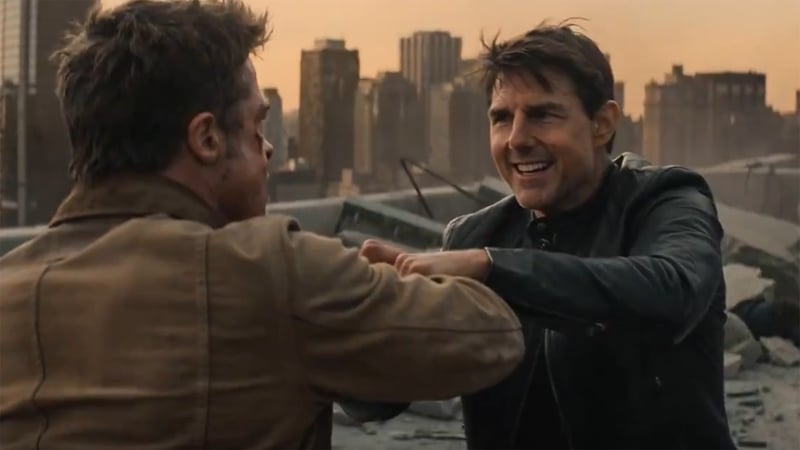
The recent debacle over GenAI’s role in entertainment was sparked by Oscar nominated Irish director Ruairi Robinson, who posted a small clip on social media. It features a hyper-realistic scene between A-listers Brad Pitt and Tom Cruise, atop a high-rise building.
There’s choreographed fighting. There’s dialogue, sweeping camera movements and atmospheric music all jam-packed into a scene that’s over before you realise it.
Right, so why all the controversy from a clip so short?
Jeffrey Epstein knew too much pic.twitter.com/12u8PQH9nt
— Ruairi Robinson (@RuairiRobinson) February 11, 2026
Well, neither Pitt nor Cruise nor crew members of any kind were involved in creating the footage. Instead, it was generated via a text prompt using GenAI.
Had it been played in the trailers at the cinema, you may have been forgiven for thinking it was legitimate; such was the surprising polish of the scene, and the realism of the actors. And yet, there’s no trace of any permission given for the images, sounds or likeness used. Just a simple disclaimer that it was made using AI.
So how exactly was the clip made?
Robinson used Seedance 2.0, a GenAI tool owned by the Chinese company ByteDance, the makers of TikTok. Per its website, the tool is said to combine images, video, audio and text to generate ‘cinematic content with precise reference capabilities’, paired with seamless video extensions, natural language controls, and more.
Like many GenAI tools, Seedance is simple to use. All you really need to do is type in some words to start creating. The more specific you are, the closer the end product will be to your vision. Don’t like something? Then chop and change your prompts to recreate your vision.
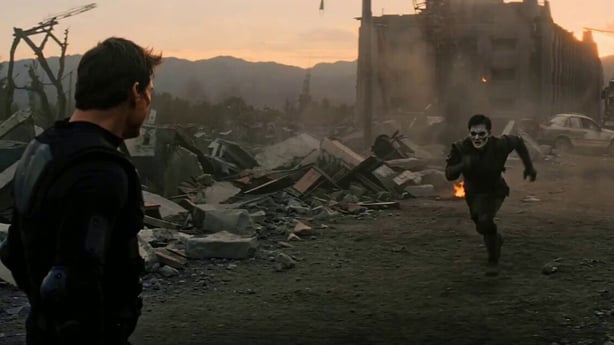
Robinson demonstrated this simplicity in subsequent videos, pitting Cruise and Pitt against zombie ninjas and robots. In an instant, new scenes are remodelled, with no training, no budget, no timeline, and no rules evident.
The video quickly made headlines around the world, centred around the ethical and legal use of GenAI, and whether or not it will replace entertainment as we know it.
To no one's surprise, backlash was immediate.
From Game of Thrones to Spider-Man: entertainment is being rewritten
You need only search for Seedance on social media to see that the tool has well and truly captured the imaginations of countless users interested in turning their ideas into digital content.
From Spider-Man fighting Captain America to rewriting the entire ending of Game of Thrones and Stranger Things, many videos feature life-like characters we all know from film, television, animation, music and video games.
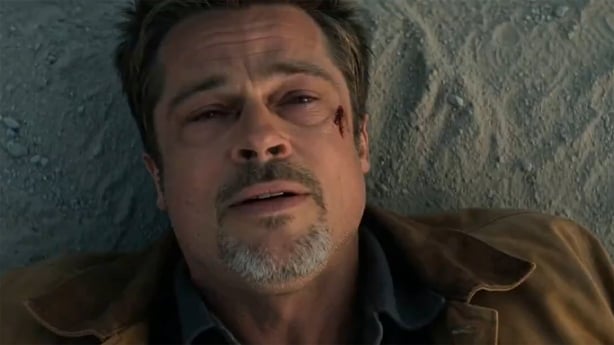
Of course, the usual videos of giant cats fighting Godzilla do make their unwelcome return to newsfeeds. But the level of detail is quite extraordinary, making me wonder if AI slop has finally cleaned up its act? And should we be worried about it?
Regardless of their entertainment value, these videos have prompted copyright owners to take action, many of whom feel their intellectual property has (and continues to be) violated by AI.
China's Seedance 2.0 is the best AI video model in the world right now.
— The AI Colony (@TheAIColony) February 13, 2026
This will decimate movie studios all over the world.
10 wild examples:
1. The perfect ending to HBO Game of Thrones that doesn’t exist.
pic.twitter.com/v1mPWk3CrZ
Several entertainment goliaths have already reacted to the growing controversy. It's reported that Walt Disney has already issued a cease-and-desist letter to ByteDance, accusing the company of supplying Seedance with a ‘pirated library’ of its characters, and likening the act to a ‘virtual smash-and-grab’ of their intellectual property.
The union SAG-AFTRA, which represents over 160,000 professionals, also issued a damning statement, stating:
"SAG-AFTRA stands with the studios in condemning the blatant infringement enabled by Bytedance's new AI video model Seedance 2.0. The infringement includes the unauthorized use of our members' voices and likenesses.
"This is unacceptable and undercuts the ability of human talent to earn a livelihood. Seedance 2.0 disregards law, ethics, industry standards and basic principles of consent. Responsible AI development demands responsibility, and that is nonexistent here".
In response to criticism, ByteDance said it was taking steps to strengthen current safeguards to prevent unauthorised use of intellectual property, though it did not specify how.
Someone recreated Arcane with AI and it looks amazing.
— Ryland (@BlipEngineer) February 9, 2026
The original Arcane cost $250 million to make. Today, a single creator with AI can generate such visuals for a tiny fraction of the budget.
Model used in this video is Seedance 2.0 by ByteDance. pic.twitter.com/754grrr4FM
Process versus product: do consumers care how art is made?
The issues with GenAI are ever-changing. We’re talking about a technology whose very selling point is its limitless capabilities. As exciting as that might seem, it is still very much in its wild west era, where anything goes until the law plays catch-up.
At the core of the problem, though, is that consumers are being asked one simple question about the future of the creative process: do we value how art is made, or do the ends really justify the means?
Do you want to see something imperfect in an instant? Or do you value the expertise and passion of storytellers, actors and more to make imagination a credible reality?
Pandora’s box has been opened, and GenAI isn’t going away anytime soon, if ever. And as the public churns out new videos every second of the day, this could embolden developers to pursue their vision.
Many users may feel empowered by tools like Seedance, seeing it as a way to unlock their imagination and bypass many traditional barriers to creating "art". And since every other industry in the world embraces artificial intelligence to improve workflows, why should the arts be any different?
Well, on the other side of the coin, industry professionals may see these tools as replacing entire careers overnight with just a single line of text. And then there’s intellectual property to consider.
Don’t artists have a right to protect their creations from theft and reproduction? What about protecting original stories? And shouldn’t an actor have agency over their appearance and voice?
Whatever side you take, I suspect this latest debate about GenAI will last much longer than the 15-second clip that started it all.
The views expressed here are those of the author and do not represent or reflect the views of RTÉ
