


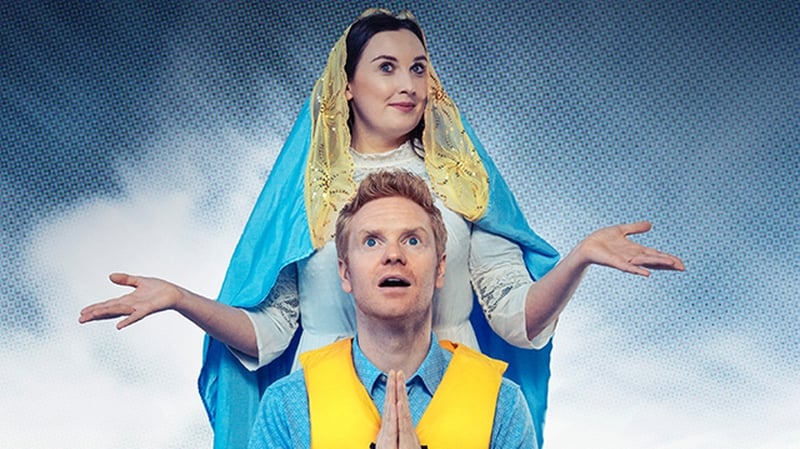
Ever dreamed of one day treading the boards, but don't know where to start? In a new series, award-winning actor and playwright Janet Moran, one of the stars of RTÉ's acclaimed dramedy The Dry, offers some tips for the budding actor...
In this instalment, Janet explores the power of resilience, and being a self-starter.
But what happens when you don’t get the part? It must be said a big part of an actor's life is often spent working out how to live it (and pay for it) when not actually being an actor. There’s far more of us than there are parts and the money - generally speaking - is pretty terrible, especially if spread out over more months than you might hope.
So, be prepared to do other jobs unless you’re one of the very fortunate. In my early days, I did a lot of waitressing, a bit of temping and a ton of scrimping.
We need your consent to load this rte-player contentWe use rte-player to manage extra content that can set cookies on your device and collect data about your activity. Please review their details and accept them to load the content.Manage Preferences
Listen to Janet Moran's play A Holy Show, via RTÉ Drama On One
Then, in my early twenties, a very kind friend bought me a voucher for a session to record a voiceover demo. This was a game changer. Voiceovers can be lucrative and even if they’re not, they’re still worth an hour of your time in the studio. Making sure you make a strong demo is essential. Book a session in a proper studio, or record at home if you’re technically minded. You want to show a range to prospective clients in 2-3 minutes. You can write your own scripts or copy existing ones from the radio. Your straight read is most important, followed by perhaps a more fun/ upbeat/hard sell/calm read. Listen to ads and learn from them. Car ads are very different to discount electrical shop ads, for example. You can also do a demo for animation (which is the most fun), include any characters/accents you might do and a demo for narration of books. Get your demo done early and send it out to ad agencies and voiceover agencies.
Something you see more and more of with young Irish actors is them writing and performing in their own work. This is brilliant, and now part of the training programme in many Irish drama schools. When I was a young actor, this was less common. It took me until my late 30s to start behaving like a smart 21-year-old and start to write my own work. Actors are natural storytellers, and you take in more than you realise about the structure of a story when you’re in rehearsal rooms. There are many outlets for self-penned work - Scene & Heard and Dublin Fringe, to name two - and these are well worth doing.
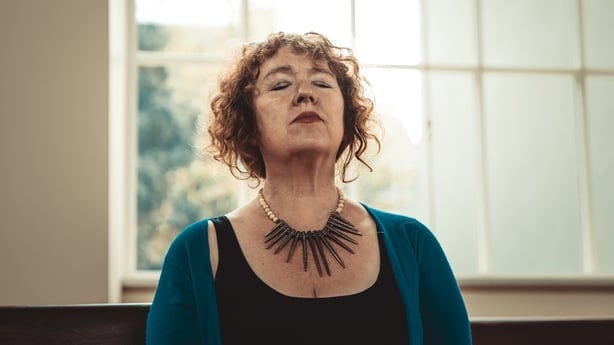
Plays I’ve been involved in writing have taken me to New Zealand, Paris, New York and Edinburgh, and two are currently in development as feature films. I was always afraid to write, but really once you get over yourself and have a bit of discipline it’s not so scary or mysterious.
Most importantly, you won’t last long if you don’t master the art of disappointment, especially if you feel like you’re not getting the chance to audition, never the mind the jobs. Learn to share in other’s good news, stay connected, go and see work (this is essential) and share news of auditions with others. Some people feel that they should keep their auditions secret, but don’t be that person - it will come back to you.
One more thing - celebrate the wins and shake off the disappointments. It’s only acting, after all...
Watch The Dry on RTÉ Player here, and take a deeper dive into our Get Creative section here
