


In the new Documemtary On One production Jamaica Daly, Meg Daly uncovers her family's hidden history of slavery in Jamaica. In the programme, we hear from local Jamaicans who helped Meg in her search for her ancestry and their family connections with slavery. Meg and her family also speak of the profound shame they now feel over the behaviour of their ancestors.
Programme maker Chris Nikkel introduces Jamaica Daly below - listen to the documentary above.
In May, 2024, I got a text from Dr Ciaran O'Neill at Trinity College Dublin – he had a story he thought would make a good radio documentary. The story was about the Daly family, who were slaveowners in Jamaica in the early nineteenth century. Not only were the Dalys Irish, they were Irish Catholics. Now, a member of the family was on her way to Jamaica to dig up what Ciaran called her 'rotten roots’.
That family member was Meg Daly. She’d grown up in Ireland, but now lived in New Zealand. Meg was about to fly to Jamaica, where she was going to meet up with Dympna Fahy, a friend and local historian from Galway. They’d both be in Jamaica for a week – their goal was to find whatever they could about Meg’s great-great-great-grandfather, Peter Daly.
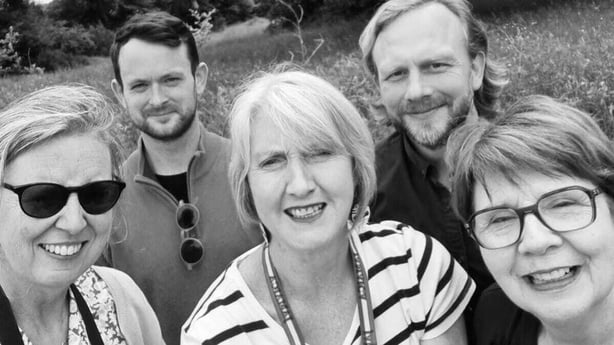
documentary maker Chris Nikkel and Dymphna Fahy
A few days after I got Ciaran’s text, I was on a Zoom meeting with Meg, Dympna, Ciaran and Prof. Finola O’Kane, from UCD – Ciaran and Finola had recently edited a collection of essays called Ireland, Slavery and the Caribbean. As we chatted about the impending Jamaica trip, an idea was hatched to send a voice-recorder with Meg and Dympna so they could record their activities. And then, they left.
It's estimated that between 300 and 400 slave owners received compensation when slavery ended in Britain - of the 20 million pounds given to slave owners, an estimated 1 million of that money came to Ireland.
The story of slavery in Ireland is not a straightforward one—as a colonised nation, it’s usually counted as one of the ‘oppressed,’ rather than an ‘oppressor’. But like most colonial histories, it is more complex than that. It’s estimated that between 300 and 400 slave owners received compensation when slavery ended in Britain - of the 20 million pounds given to slave owners, an estimated 1 million pounds of that money came to Ireland. It’s true that most of that money would have gone to Protestant landlords, firmly in power at the time, but some went to Catholic slave owners. One of those was Peter Daly, Meg’s great-great-great-grandfather.
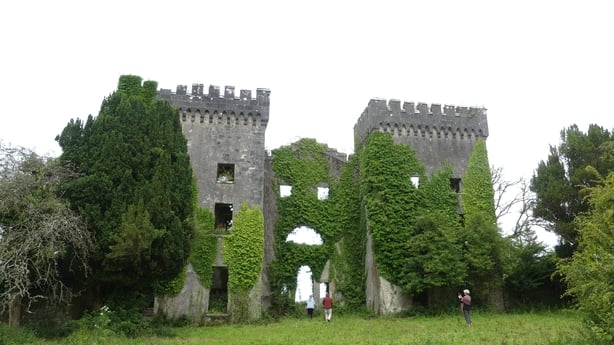
slave trading and owning in the Caribbean
A few weeks after our Zoom meeting I received seventy-four audio files from Meg and Dympna, all recorded in Jamaica. When I began to listen to them I was transported to Jamaica, following them as they visited the Jamaican National Archives, the Jamaican National Library, as well as conversations with people helping them as they tracked down the details of Peter Daly’s life. As I listened, it was clear these recordings deserved a wider audience.
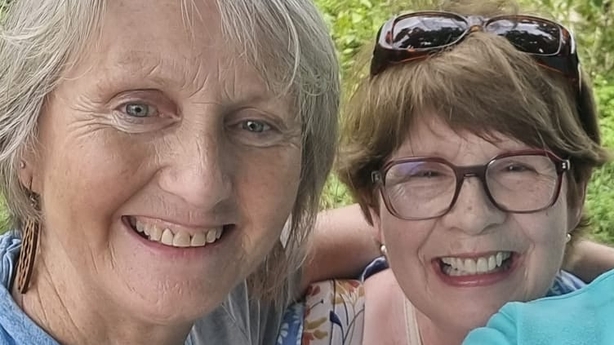
This is not an easy story to tell - at times, its uncomfortable to listen to. But the family, including Meg and other relatives, were completely in support of telling it. In Meg’s words, ‘There is no point hiding it.’ And that is really at the heart of Jamaica Daly. It is a story of slavery. It is a story of not being afraid to discover dark histories, and rotten roots. And, it is the story of a family, two academics, a local historian – and a documentary maker.
Listen to more from Documentary On One here
