


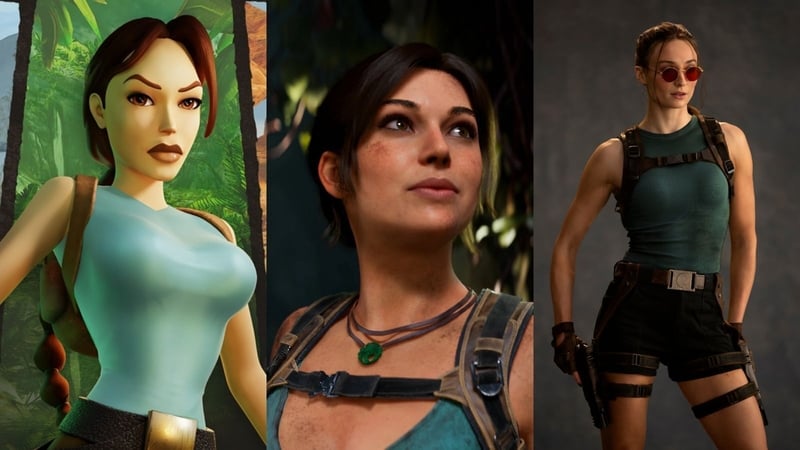

With several critically acclaimed games, an animated series, three movies, and more controversy than you might have thought possible from a pixelated tank top, Lara Croft is an entertainment legend.
Debuting in 1996, she became the unofficial face of a virtual feminist movement that saw female video game characters finally taking leading roles rather than the usual damsels in distress. The original Lara was a fearless, adventure‑seeking rebel who parachuted into all sorts of insane scenarios previously reserved for her male contemporaries.
But she wasn’t without her critics.
Originally conceived as a female Indiana Jones, debates continue to question the true legacy Lara left in the 90s: whether she was more sex symbol than avid adventurer, more problematic than revolutionary. And in the years since her debut, conscious efforts have been made to portray her as a credible heroine in the public eye.
Regardless of your stance, her reign as one of gaming’s leading ladies for the last 30 years is an undeniable fact. And I reckon that if it were just looks that early Lara offered, she would not still be here today, making worldwide headlines when new projects are announced.
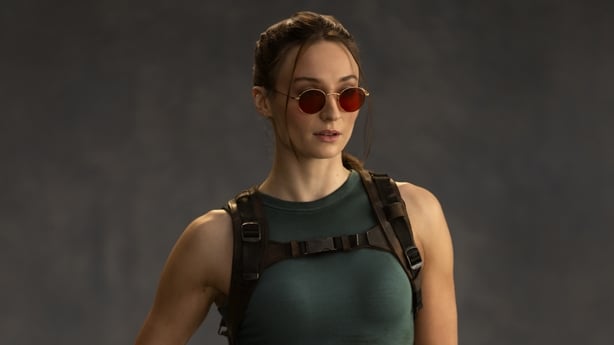
As we approach her big anniversary, 2026 and beyond look to be the heroine’s most exciting era yet. Brand‑new shots of Sophie Turner’s portrayal in the upcoming Prime Video series, together with now‑viral trailers of new games, mean that Croft is back and, perhaps, better than we ever thought she could be.
The original Lara: a legacy beyond the tank top
For gamers of a certain vintage, Lara Croft represents some of their earliest (and arguably best) video game memories. It was a time when you sat down at a console with magazine guides within arm’s reach and cheat codes committed to memory.
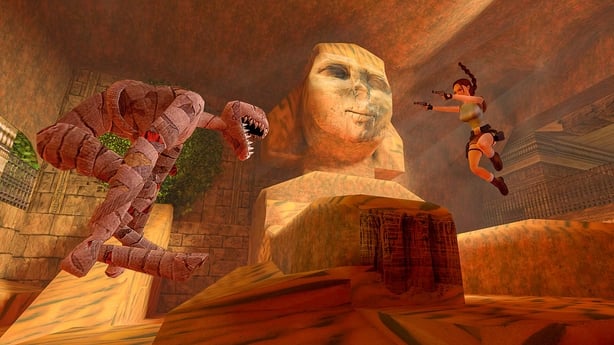
In those days, studios tried their best to build strong franchises around recognisable mascots in order to create fandoms and solidify brand awareness. This was the era before influencers, social media, smartphones, and reliable internet. As such, the main character on the box cover mattered.
So when Lara Croft debuted in her polygon finery, you’d better believe the world took instant notice.
Tomb Raider II (1997) was a particular highlight for me - when the franchise was still finding its footing - but seeing Lara on the case caught your immediate attention. You knew from the get‑go you would enjoy all of the whimsical action she would inevitably be thrown into. The brand was born.
Watch: Angelina Jolie in the trailer for the first Tomb Raider movie in 2001
Back then, I was just as content mindlessly exploring Croft Manor as I was piloting Lara through actual tombs. The manor always promised more secrets than you could ever uncover. You’d wander around and marvel at her extravagant wealth, including the Olympic‑style gymnastic course she happened to have set up at home - all while taking delight in locking butler Winston in the freezer.
Eventually, you’d remember your actual purpose. Lara was an explorer with seemingly no fear factor, so you’d return to artefact hunting with dual pistols in hand, knowing full well you were only a short step away from dying in a trap... in the most hilarious circumstances, naturally.
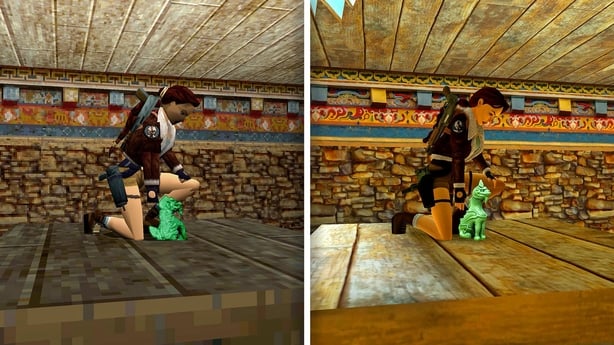
The 2024 Tomb Raider Remastered collection, a faithful recreation of the first six games, reminded me of this timeless golden era of Croft, in all its pixelated glory and gameplay frustrations. It proved that the original Lara was as capable and astute as your skills with a controller allowed - and as fun today as she was thirty years ago.
While she was an almost voiceless character back then, with impossible beauty and an unexplained array of skills, many were content with the unquestionable fun her games delivered. Others may have longed for more substance from one of gaming’s first leading ladies.
And so, like many legends from the 90s, Lara Croft underwent her share of identity changes and course corrections. A 2013 trilogy of games kick‑started a new direction for Lara, fleshing out her character across three stories that addressed narrative shortcomings, received critical acclaim, and sold millions upon millions of copies.
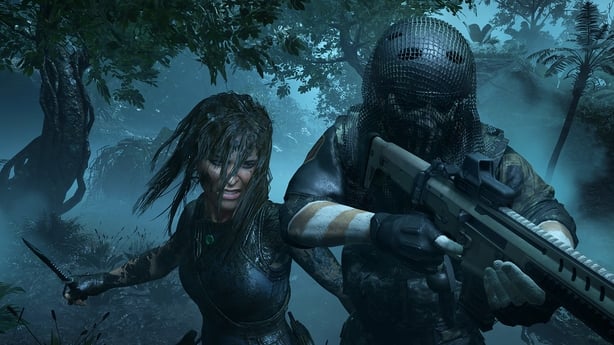
The trilogy introduced a grittier, more serious Lara who shed her "bombshell" background and became more nuanced. The storylines grew darker, earning higher PEGI ratings due to increased violence and ultimately making the character more three‑dimensional.
When the final instalment of the series, Shadow of the Tomb Raider, was released in 2018, Lara was almost unrecognisable from her origins, inspiring the animated series The Legend of Lara Croft on Netflix. And it’s this version that many gravitate towards today.
Watch the trailer for Netflix's animated Tomb Raider series
With new projects aiming to revisit her original debut, many wonder what kind of Lara we will get. The femme fatale with dual pistols who started it all? Or the hardened adventurer chalked in blood?
The answer seems to be a bit of both.
Tomb Raider in 2026: a new turning point for the 'bombshell' Lara
The worlds of TV and film are no strangers to video‑game adaptations. From Fallout to The Last of Us, Super Mario to Sonic, so much of what we watch on the big screen these days is based on what we play on the small one.
For fans, crossovers can offer countless new, creative ways to fall in love with the characters you thought you knew. And a large part of this "new" phenomenon can be traced back to Lara’s pioneering success in making the leap to cinema.
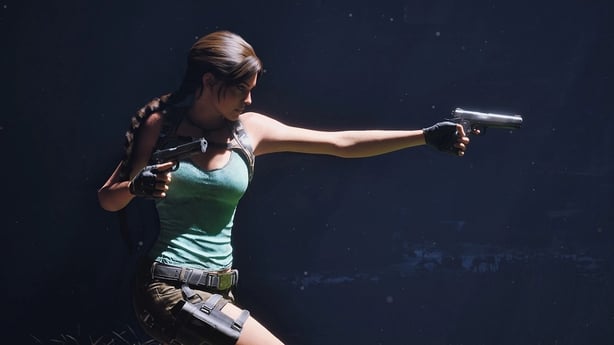
Recent pictures of Sophie Turner starring as Lara in the upcoming Prime Video series have reignited worldwide interest in the franchise. Attention quickly returned to her past iterations - Angelina Jolie and Alicia Vikander - the influence they brought, and what kind of new Lara we might expect from the TV series, created and overseen by Fleabag's Phoebe Waller-Bridge.
In a recent interview with the LA Times, Turner opened up about taking on the role, mentioning that her version of the character is not a "sex bombshell." She said:
"It’s about her and her story and what drives her, rather than what so many people also love about her, which is how hot she is in the games and the movies… But I really want to show the other side. She’s so unashamedly capable. She is not a woman who hides her strengths at all."
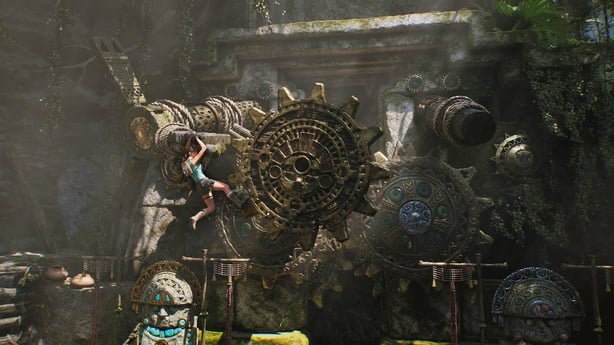
Turner has said that she has been working out "eight hours a day, five days a week" in preparation for the role, so the gravity‑defying gymnastics Lara is known for will no doubt feature heavily throughout the series.
Turner’s focus on highlighting Lara as a highly capable character first and foremost is echoed in the upcoming Tomb Raider games, which were teased at the 2025 Game Awards to much hype and acclaim.
Legacy of Atlantis is described as a "stunning reimagining of the 1996 genre‑defining game," bringing players back to the jungles of Peru and the ancient ruins of Greece - back to where it all started - but with a jaw‑dropping visual update and new surprises thrown into the mix, all while honouring "the spirit and atmosphere" of Lara’s debut.
Watch the trailer for Tomb Raider: Legacy Of Atlantis
The second announced game, Catalyst, is said to mark "a bold direction" for the series, acting as a sequel to 2008’s Underworld and aiming to unify previous continuities into a single timeline. Scheduled for release in 2028, this will likely be the canon Lara going forward.
Reimagining is a tricky word in gaming, and no doubt Tomb Raider purists will have plenty to say about how Lara Croft’s origins are revised. But with new games, new TV shows and a new Lara, it’s impossible not to be excited.
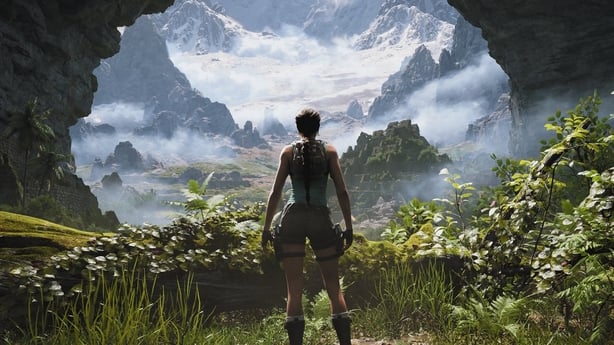
The tank top may be back, but I suspect there are far more surprises in store for this new iteration of Croft. And who knows? She might cause just as much debate and discussion in the next 30 years as she has over the last 30.
Tomb Raider: Legacy of Atlantis will be released later this year, followed by Tomb Raider: Catalyst, with the Tomb Raider TV series on Prime to follow (release date TBC)
