


Ireland has a rich food tradition. We're famous for our dairy, fish, seafood, butter, and more; we have numerous Michelin-starred restaurants, famous chefs, and are world-renowned for our hospitality.
It owes a great deal to our past and generations of settlers who brought their own cuisines and sensibilities to our island. The influences go back as far as 8,000 BCE, when the first permanent human settlements began.
"The earlier settlers were fisher gatherers because there were no big animals to hunt," explained Dr Máirtín Mac Con Iomaire, Senior Lecturer & Joint Principal Investigator of the Centre for Irish Studies.
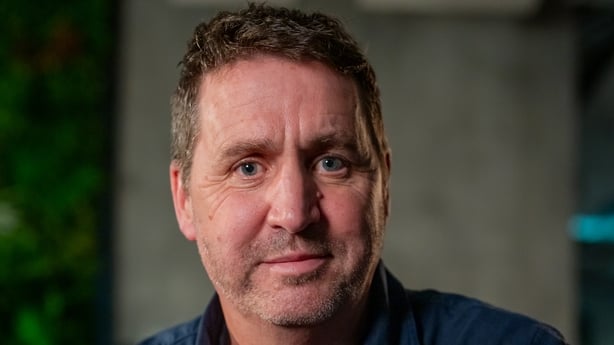
"In many ways, what we can understand about Irish food today, and particularly the role cattle played in all their elements, from milk to cream to cheese, dates back to around 6,000 years when Neolithic farmers came in with cattle."
Dr Mac Con Iomaire references the Céide Fields in Co Mayo, which is the earliest evidence in Europe of organised dairy farming. It dates back 5,500 years, which is 2,500 years before this type of system was developed anywhere else in Europe.
Ireland has seen new settlers and cultures arrive, such as the Vikings and Normans, who brought their own approaches, food types, and sensibilities, mixing them into the tapestry of Irish culture.
When the Vikings settled in Ireland, it led to towns and cities being created on the coast, bringing new fishing techniques to the country. The Normans brought rabbits, which weren’t found in Ireland then, as well as different types of deer and their own cooking systems like the built-up oven.
Each new culture brought something different to the island.
"Every wave [of new settlers] brings something new with them," said Dr Mac Con Iomaire. "Even with the Tudors, the Elizabethans, and Cromwellian planters, they brought in various English varieties of fruits and vegetables as well as animals, breeds of cattle and sheep."
That history has given Irish culture much to look back on, with the latest generation bringing a confidence unseen in previous generations.
"They've grown up in an Ireland that was confident, that was rich, that was achieving, that was self-assured, that had peace," added Dr Mac Con Iomaire. "Also, there's a sort of kickback to globalisation with people now getting interested in our own culture, be it the language, music, art, food, or drinks.
"We’re looking back and we’re realising that actually within our histories and folklore, there's really rich stuff there."
One element Dr Mac Con Iomaire mentions is the resurgence of Irish cheesemakers, a tradition that flourished until the mid-17th century, when butter began to dominate production.
With each generation bringing its own approaches and sensibilities, and with the fusion of different cultures in Ireland’s life, the result is a blend of tradition and culture that makes Irish cuisine greater than the sum of its parts.
Nowadays, Ireland has a strong culinary scene with more than 20 restaurants awarded Michelin stars in the most recent Michelin Guide.
TU Dublin has a strong tradition in shaping Ireland’s culinary destiny with its journey in food and culinary skills beginning in 1941, when St Mary’s College of Domestic Science at Cathal Brugha Street opened.
As the years went on, the college expanded its offerings. In 1943, postgraduate courses in dietetics were introduced, developing the way we think about the health benefits of food.
And in 1951, courses in hotel catering and the tourist industry were expanded, reflecting the growing popularity and interest in Ireland and its cuisine internationally.
The courses became more about cooking, a reflection of Ireland’s culture, expertise, and more, and have achieved global firsts.
"One of the major shifts that happened in Cathal Brugha Street was in 1999 when we set up the first honours degree of Culinary Arts," said Dr Mac Con Iomaire. "That was the first programme of its type in the world."
Through this programme, students would be sent to mentors in the best restaurants and hotels all throughout Ireland in their first two years. When they reached the third year, they went out to the best restaurants and hotels in Europe.
"What was amazing is that they came back then, suddenly having experienced the best in Europe, they realised our ingredients are every bit as good as that abroad, which gave them such confidence," he added. "There's so many of our graduates all over the world working at the highest level.
That confidence has led to numerous illustrious alumni and many Michelin-starred recipients. Graduates like Kevin Thornton were the first Irish-born chefs to be awarded two Michelin stars in 2001.
Other notable graduates include Richard Corrigan, Darina Allen, and Anna Haugh, best known as a judge and host of MasterChef UK as well as Ahmet Dede (2 stars), Andy McFadden (1 star) and Keelan Higgs (1 star).
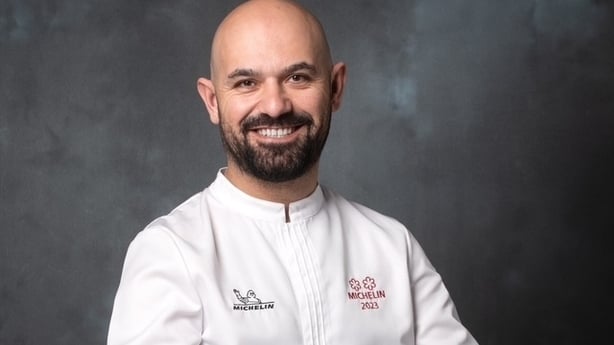
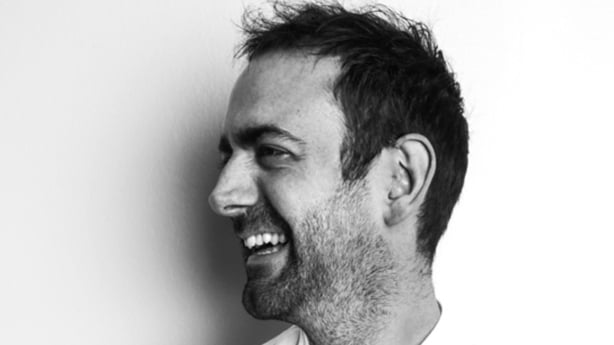
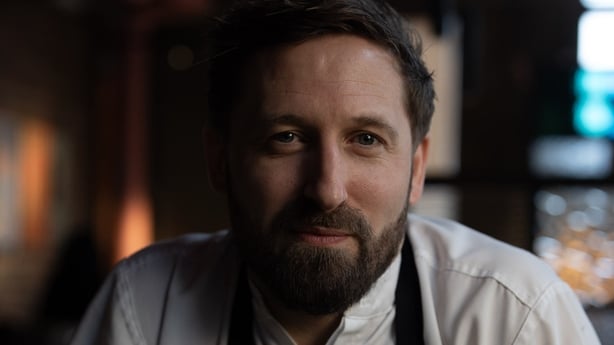
Now, TU Dublin’s School of Culinary Arts & Food Technology sees students in Grangegorman, and Tallaght being trained to become the future culinary stars.
With the current generation working hard and a new one ready to propel Ireland's foodie reputation to even greater heights, one thing is for certain. Irish cuisine is only going to get better.
