
The scale and intensity of drone strikes by Russia and Ukraine continues to escalate each week.
On Friday, Russian officials said Ukrainian drone strikes on a college dormitory in the town of Starobilsk in Luhansk, an eastern Ukrainian region that Russia occupies almost entirely, had killed at least 18 people.
Ukraine's armed forces said its forces had struck military targets in the town.
It comes a week after a Russian ballistic missile destroyed an apartment building in Kyiv, killing 24 people, including three children.
That strike on Kyiv occurred during a week when Russia launched more 4,000 drone and missiles against Ukraine, killing 52 people in total.
Ukraine replied with more than 600 drone strikes across 14 regions on the night of 16 and 17 May, including strikes on the Moscow region.
Russian authorities said that at least four people were killed by Ukrainian strikes that day.
Those retaliatory strikes by Ukraine, said its President Volodymyr Zelensky, were "entirely justified" after Russia's strikes on Ukrainian cities and communities.
More than four years into Russia's full-scale invasion, Ukraine has developed a formidable drone industry where private firms work closely with the country's armed forces, making sure that drone technology is at the core of all frontline operations.
"Ukraine uses institutional awareness systems, military grade or civilian messaging platforms and streaming platforms.
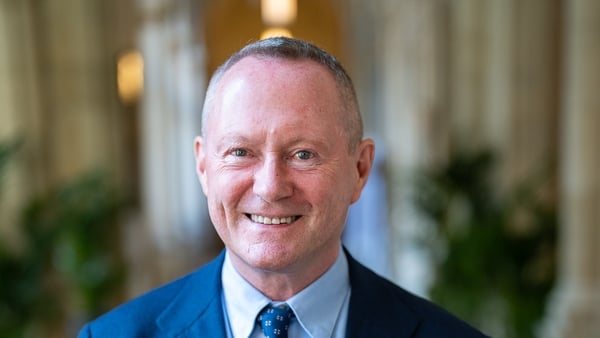
"This is the most streamed, the most interconnected war of all human history," said Fedir Serdiuk, a 30-year-old entrepreneur and co-founder of Mowa Defense, a Ukrainian defence company specialising in drone warfare expertise.
"Innovation is the way we fight now," he added.
Ukraine’s ministry of defence said in January that drones had inflicted more than 80% of Russian casualties throughout last year.
Drones operated by both sides survey and control the 'kill zone’, a distance of up to 20km each side of the frontline, where anything that moves can be killed.
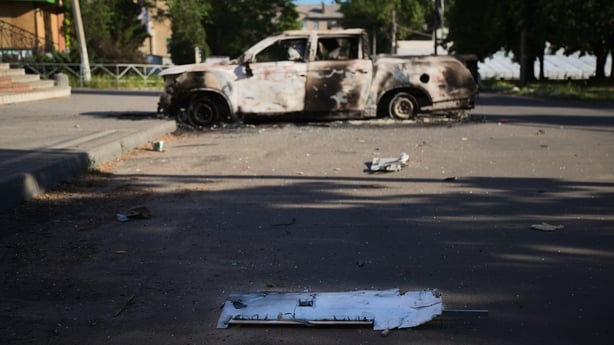
Russia's increasing use of fibre optic drones in recent months stands to extend the 'kill zone’ even farther.
But Ukraine is also using its drone expertise to strike farther into Russia and with more regularity than at any previous time since the start of Moscow’s full-scale invasion, prioritising strikes on Russian energy facilities.
Energy facilities remain targets
So far this month, Ukrainian drones have struck 11 Russian oil refineries, according to the Ukrainian ministry of defence.
Some of the targeted sites are located as far as 800km from the Ukrainian border and have included strikes on Russia’s Baltic oil export depots and sanctioned Russian tankers in the Baltic Sea.
On Thursday, Ukrainian drones caused explosions at Russian oil refineries in Yaroslavl and Syzran, more than 700km north and 800km east of the Ukrainian border respectively.
Both facilities had also been struck by Ukrainian drones in April.
Ukraine’s tactic is to hit the same refineries and storage facilities repeatedly so that Russian oil exports and revenues suffer.
Some Ukrainian drones have travelled farther still, striking Russian oil refineries in April in the Urals, at a distance of between 1,500km and 1,700km east of Ukraine.
Mr Zelensky said this week that Russia’s oil refining operations had fallen by 10% in recent months.
It is hard to quantify the exact impact of these deep strikes on Russia’s oil production capacity, but they are undoubtedly damaging the normal pattern of operations for Russia’s oil refineries.
The cost of repair work alone for Russian state oil companies is likely to be substantial.
"I think we will see more strikes in operational and strategic depth, and I think that we also will make the kill zone longer, striking deeper into the frontline depth, into the rear where tanks are being stored, or fuel is being kept," Mr Serdiuk told RTÉ News.
Russia, he said, opened "this Pandora box" in October 2022, referring to the first mass drone strikes by Russia on Ukrainian cities, eight months after the start of Russia’s full-scale invasion.
"They practically kept terrorising Ukraine for many years until Ukraine developed our own capabilities to strike back".
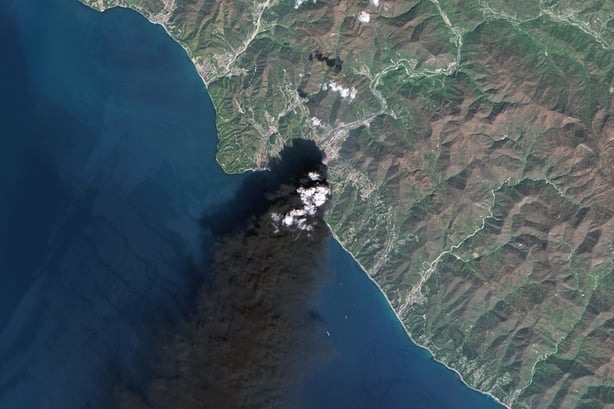
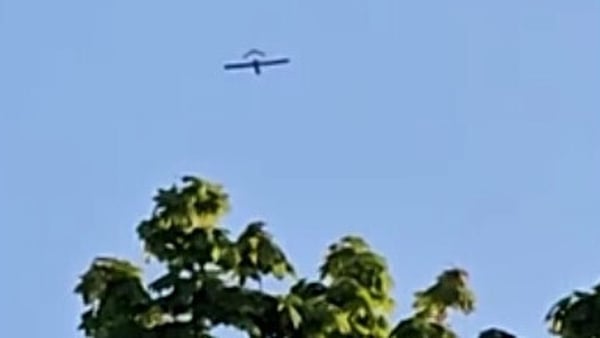
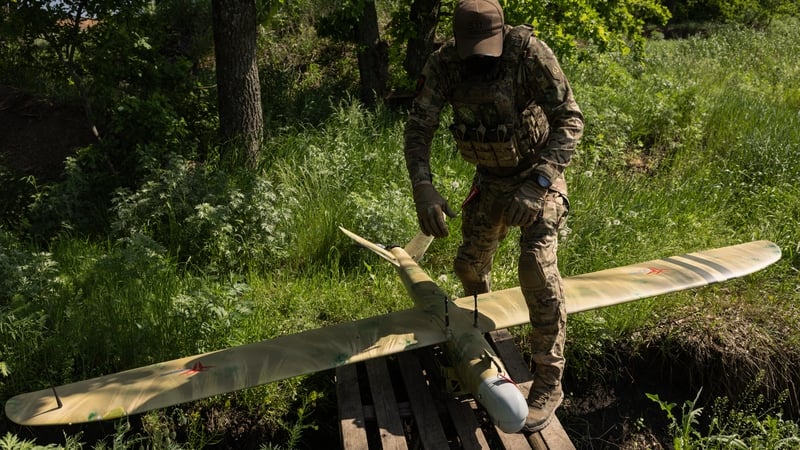
Ukrainian armed forces use a combination of different drones for deep strikes in Russia, including the 'Liutyi’ (a heavy, fixed-wing kamikaze drone), the 'FP-1’ (which carries a large explosive payload) and Bars.
The Liutyi weighs about 250kg, about the same as the Iranian-produced Shahed drone that Russia uses against Ukrainian cities and carries an explosive payload of up to 50kg.
Designed by Ukrainian aircraft company Antonov and built by Ukrainian state-owned defence firm Ukroboronprom, one Liutyi drone can cost up to $200,000 (€172,000) to produce, according to reporting from Forbes last year.
The FP-1 and the Bars were both used in last Sunday's Ukrainian strikes on the Moscow region, according to Ukraine’s armed forces.
Many smaller, cheaper first-person view drones (FPVs) used in the 'kill zone', some produced for less than €1,000 per unit, are now also being built with components that extend their flight range.
"New drone technology can evolve in a number of weeks, not a year," said Kseniia Kalmus, the founder and CEO of KLYN drones, a charity drone workshop in Kyiv.
Ms Kalmus used to run a florist shop in the Ukrainian capital. When Russia invaded, she swapped making bouquets for drones.
KLYN groups together experts and volunteers to produce FPVs for frontline units, using majority Ukrainian components.
"We're working now with new technologies, trying to implement AI to help with target recognition," said Ms Kalmus.
"The pilot captures the target manually and then AI helps to finish the task," she added.
Earlier this week, Mr Zelensky said he had approved Ukraine's long-range plans for June, signaling that Ukraine's deep strike tactics against Russian energy facilities will continue.
There is little sign that Russia will reduce the volume of its daily drone and missile attacks on Ukraine, not while the US-led peace initiative remains stalled.
Mr Serdiuk, the 30-year-old Ukrainian entrepreneur and drone expert, believes that Ukraine's evolution of drone tactics has been "much more formidable" than the evolution of technology itself.
"I think it's a race of tactics," he said.
"It is not really about the technology itself, it's about how do people use it".
The scale and intensity of drone strikes by Russia and Ukraine continues to escalate each week.
On Friday, Russian officials said Ukrainian drone strikes on a college dormitory in the town of Starobilsk in Luhansk, a region in eastern Ukraine that Russia occupies almost entirely, had killed at least 18 people.
Ukraine's armed forces said its forces had struck military targets in the town.
It comes a week after a Russian ballistic missile destroyed an apartment building in Kyiv, killing 24 people, including three children.
That strike on Kyiv occurred during a week when Russia launched more 4,000 drone and missiles against Ukraine, killing 52 people in total.
Ukraine replied with more than 600 drone strikes across 14 regions on the night of 16 and 17 May, including strikes on the Moscow region.
Russian authorities said that at least four people were killed by Ukrainian strikes that day.
Those retaliatory strikes by Ukraine, said its President Volodymyr Zelensky, were "entirely justified" after Russia's strikes on Ukrainian cities and communities.
More than four years into Russia's full-scale invasion, Ukraine has developed a formidable drone industry where private firms work closely with the country's armed forces, making sure that drone technology is at the core of all frontline operations.
"Ukraine uses institutional awareness systems, military grade or civilian messaging platforms and streaming platforms.
"This is the most streamed, the most interconnected war of all human history," said Fedir Serdiuk, a 30-year-old entrepreneur and co-founder of Mowa Defense, a Ukrainian defence company specialising in drone warfare expertise.
"Innovation is the way we fight now," he added.
Ukraine's ministry of defence said in January that drones had inflicted more than 80% of Russian casualties throughout last year.
Drones operated by both sides survey and control the 'kill zone', a distance of up to 20km each side of the frontline, where anything that moves can be killed.
Russia's increasing use of fibre optic drones in recent months stands to extend the 'kill zone' even farther.
But Ukraine is also using its drone expertise to strike farther into Russia and with more regularity than at any previous time since the start of Moscow's full-scale invasion, prioritising strikes on Russian energy facilities.
Energy facilities remain targets
So far this month, Ukrainian drones have struck 11 Russian oil refineries, according to the Ukrainian ministry of defence.
Some of the targeted sites are located as far as 800km from the Ukrainian border and have included strikes on Russia's Baltic oil export depots and sanctioned Russian tankers in the Baltic Sea.
On Thursday, Ukrainian drones caused explosions at Russian oil refineries in Yaroslavl and Syzran, more than 700km north and 800km east of the Ukrainian border respectively.
Both facilities had also been struck by Ukrainian drones in April.
Ukraine's tactic is to hit the same refineries and storage facilities repeatedly so that Russian oil exports and revenues suffer.
Some Ukrainian drones have travelled farther still, striking Russian oil refineries in April in the Urals, at a distance of between 1,500km and 1,700km east of Ukraine.
Mr Zelensky said this week that Russia's oil refining operations had fallen by 10% in recent months.
It is hard to quantify the exact impact of these deep strikes on Russia's oil production capacity, but they are undoubtedly damaging the normal pattern of operations for Russia's oil refineries.
The cost of repair work alone for Russian state oil companies is likely to be substantial.
"I think we will see more strikes in operational and strategic depth, and I think that we also will make the kill zone longer, striking deeper into the frontline depth, into the rear where tanks are being stored, or fuel is being kept," Mr Serdiuk told RTÉ News.
Russia, he said, opened "this Pandora box" in October 2022, referring to the first mass drone strikes by Russia on Ukrainian cities, eight months after the start of Russia's full-scale invasion.
"They practically kept terrorising Ukraine for many years until Ukraine developed our own capabilities to strike back".
Ukrainian armed forces use a combination of different drones for deep strikes in Russia, including the 'Liutyi' (a heavy, fixed-wing kamikaze drone), the 'FP-1' (which carries a large explosive payload) and Bars.
The Liutyi weighs about 250kg, about the same as the Iranian-produced Shahed drone that Russia uses against Ukrainian cities and carries an explosive payload of up to 50kg.
Designed by Ukrainian aircraft company Antonov and built by Ukrainian state-owned defence firm Ukroboronprom, one Liutyi drone can cost up to $200,000 (€172,000) to produce, according to reporting from Forbes last year.
The FP-1 and the Bars were both used in last Sunday's Ukrainian strikes on the Moscow region, according to Ukraine's armed forces.
Many smaller, cheaper first-person view drones (FPVs) used in the 'kill zone', some produced for less than €1,000 per unit, are now also being built with components that extend their flight range.
"New drone technology can evolve in a number of weeks, not a year," said Kseniia Kalmus, the founder and CEO of KLYN drones, a charity drone workshop in Kyiv.
Ms Kalmus used to run a florist shop in the Ukrainian capital. When Russia invaded, she swapped making bouquets for drones.
KLYN groups together experts and volunteers to produce FPVs for frontline units, using majority Ukrainian components.
"We're working now with new technologies, trying to implement AI to help with target recognition," said Ms Kalmus.
"The pilot captures the target manually and then AI helps to finish the task," she added.
Earlier this week, Mr Zelensky said he had approved Ukraine's long-range plans for June, signaling that Ukraine's deep strike tactics against Russian energy facilities will continue.
There is little sign that Russia will reduce the volume of its daily drone and missile attacks on Ukraine, not while the US-led peace initiative remains stalled.
Mr Serdiuk, the 30-year-old Ukrainian entrepreneur and drone expert, believes that Ukraine's evolution of drone tactics has been "much more formidable" than the evolution of technology itself.
"I think it's a race of tactics," he said.
"It is not really about the technology itself, it's about how do people use it".
" />