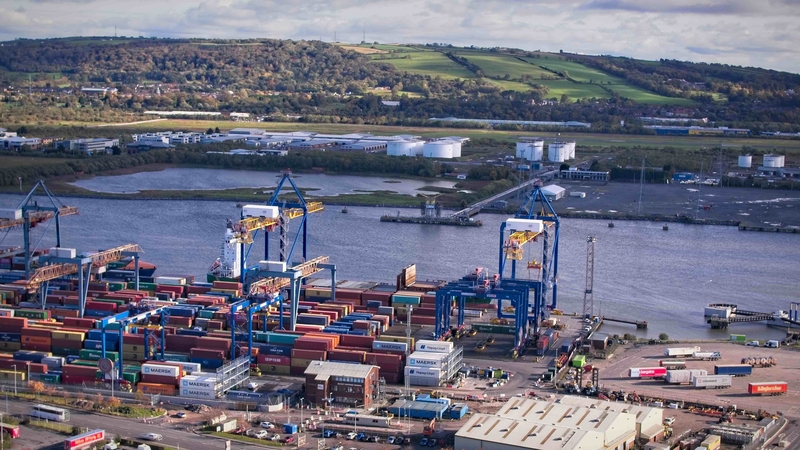

Plans were unveiled earlier this week for a £1.3bn upgrade to Belfast's port facilities over the next 25 years.
The development could see the city port pose a growing threat to Dublin Port.
Belfast's waterfront was for a long time a dour but busy industrial landscape, dominated by the remnants of its once mighty and world-famous shipyard.
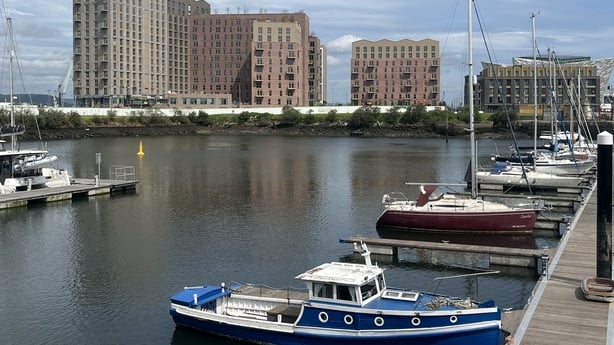
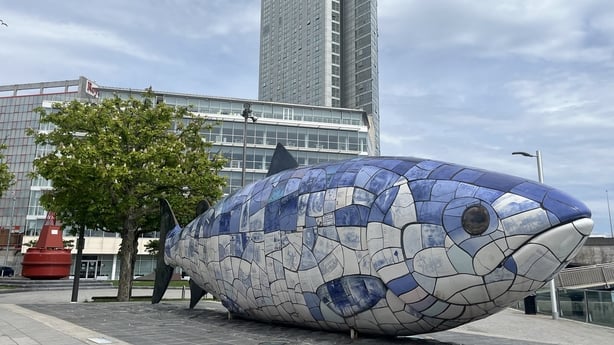
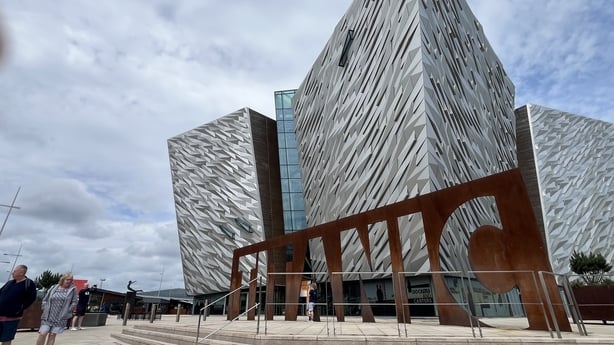
But it has been transformed dramatically in recent decades and is now home to the iconic Titanic visitor centre, offices, hotels, apartments and a marina.
The city's Harbour Commissioners have now unveiled plans for major expansion and improvement over the next 25 years, which they say will help Belfast gain a bigger share of all-island trade.
Those behind the ambitious plans say they will make Belfast one of the busiest and fastest growing ports in the UK over the next quarter of a century and position it to pose a growing threat to Dublin Port.
The port handles 70% of Northern Ireland's seaborne trade and 25% of the island's total maritime trade.
Currently handling 24 million tonnes per year, high growth scenarios forecast that figure more than doubling to 50 million by 2050.
The plan includes a reclamation project to build an additional freight or ferry terminal.
While expansion at Dublin Port is constrained by its geography, the authorities at Belfast Port have a land bank of 2,000 acres.
"Land and port capacity is going to come under capacity constraints right along the east coast of Ireland over the next 15 to 20 years and we do see ourselves fabulously well positioned to offer additional port capacity for not just Northern Ireland but for that wider east coast and along the Belfast to Dublin economic corridor," says Joe O'Neill, Chief Executive of Belfast Harbour.
Work is already under way on a new £90m deep water berth to improve facilities for cruise ships.
The city is the second busiest cruise ship port in the UK, trailing only Southampton, and the busiest cruise destination on the island of Ireland, with 141 ships due to berth this year.
The deep-water berth will also enable the port to play a bigger role in the offshore wind industry.
Earlier this year, Belfast Harbour and the Port of Cork signed a 10-year agreement to co-operate on cruise tourism and offshore wind energy.
"It is a very ambitious plan and one that we believe is essential for the future development of Belfast Port and the city," said Joe O'Neill.
The plans also include upgrading the marina, potentially increasing its capacity from around 65 vessels to more than 170.
Part of the legacy of the Troubles is that only a small proportion of Belfast's population lives in the city centre.
Frequent bomb attacks in the city centre during those years and the danger posed when walking home from a night out deterred many from venturing into the area outside office hours.
That has changed in recent years with several large-scale developments of residential apartments and student accommodation.
The port plan includes up to 4,000 new residential apartments along the waterfront area.
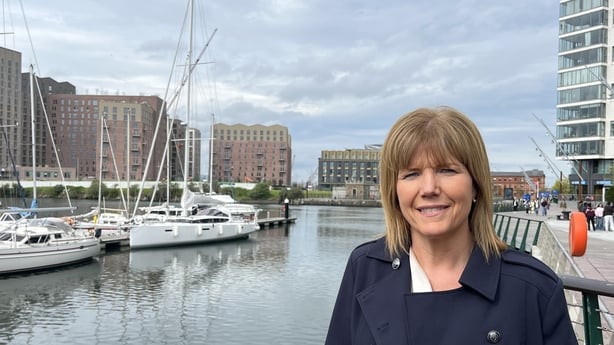
"It will be transformative for the city," said Clare Guinness, Chief Executive of the Belfast Chamber of Commerce.
"We've got huge waiting lists for city centre homes; it's been a real stubborn problem getting residential development really motoring in this city.
"We are absolutely delighted to see this renewed ambition with this 25-year masterplan. It won't just bring new homes, it's bringing new communities together, it's building new communities down here, inclusive communities."