


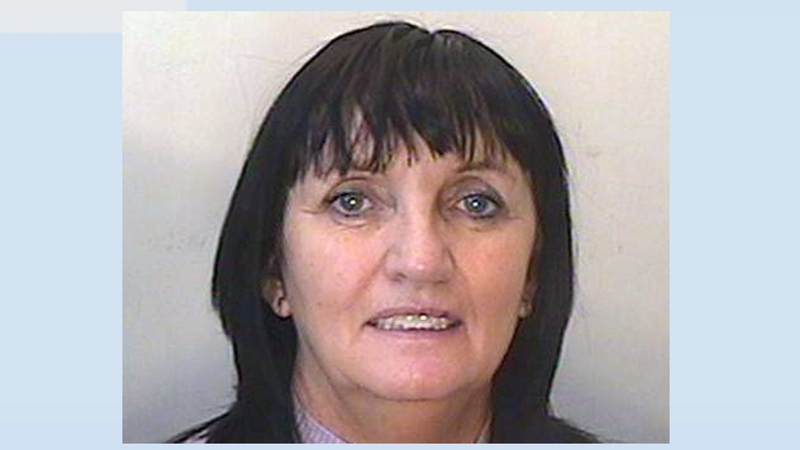
A 63-year-old woman found dead at a farmhouse in Co Limerick earlier this week along with her 56-year-old partner has been positively identified as Julia Holmes.
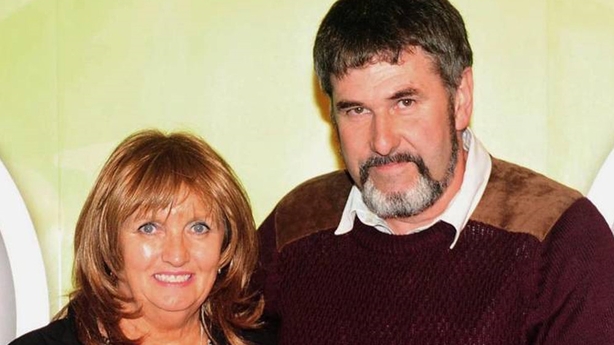
Ms Holmes, who used dozens of different aliases, died in an apparent suicide pact with her partner who has been named locally as Thomas Ruttle.
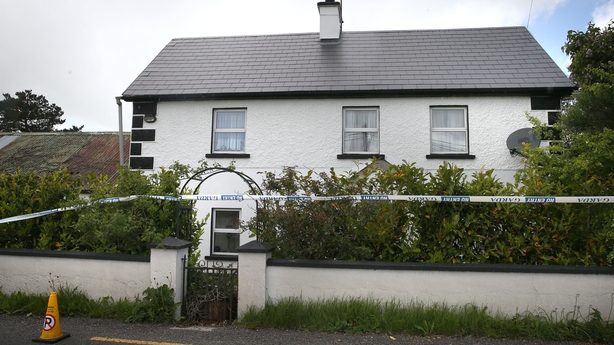
The badly decomposed bodies of the two were discovered in an upstairs bedroom of the farmhouse they shared at Boolaglass, Askeaton at 3am on Monday.
A liquid substance found beside the bed where the couple were discovered is being examined in an effort to establish if they consumed a lethal concoction before they died.
A considerable amount of correspondence, in both their handwriting, found in the kitchen is also proving crucial in the investigation.
It is understood some may be dated 14 March, but it remains unclear when the couple died.
A garda spokesman confirmed that Ms Holmes was positively identified today following extensive tests carried out at University Hospital Limerick.
The 63-year-old who had one son had been on the run from the PSNI.
She had more than 20 previous convictions for fraud.
In 2006 she was deported from the US, where she was convicted in connection with a $500,000 property scam in Texas.
She had been living with Mr Ruttle for a number of years and became joint-owner of the house in 2012.
Officers are satisfied there was communication between Mr Ruttle and another man in early April.
However, they are still trying to establish when Ms Holmes was last seen, and her social media activity and blog entries are being examined.
Originally from Northern Ireland, Ms Holmes had been the subject of PSNI and FBI investigations for fraud offences in Texas and Northern Ireland.
The couple had not been seen together in public since March after Ms Holmes - who was on the run from the PSNI following an £18,000 fraud charge - featured in television and newspaper reports.
An initial post-mortem examination was unable to establish the cause of death of the couple, who were found lying side-by-side and fully clothed at the house.
Detectives believe the bodies had been at the scene for several weeks and there was no electricity or heating in the house when gardaí arrived.
Neither of the two legally held firearms found in the house were discharged and there was no evidence of gunshots or major trauma to the decomposed bodies.
The garda investigation has now focused on the liquid substance, but it is believed that toxicology tests could take up to three weeks.
Detectives are also looking into claims that a woman, trying to unmask Ms Holmes's fraudulent activities, was blocked from accessing a Twitter account used by Ms Holmes on 22 April.
The bodies were discovered by a west Limerick gang who broke into the farmhouse and then alerted gardaí.
Further tests are still being carried out on the remains of Mr Ruttle before he is formally identified.
However, sources confirmed his relatives have been prepared "for the worst possible news".
