


Initial results of Russia's parliamentary election suggest President Vladimir Putin's party has won a landslide victory.
Early indications suggest the United Russia party has so far secured 63% of the vote, followed by the Communist Party at 11%.
The result will give Mr Putin the authority to retain political power, possibly by becoming Prime Minister after his presidential term ends next March.
The Russian Electoral Commission has recorded a 60% turnout so far in the parliamentary election with more than 100 million people voting in the election.
A Kremlin spokesman said the result showed that most Russians wanted Mr Putin's policies to continue after his presidential term ends.
11 parties competed for seats in the Duma, the lower house of parliament.
The White House is urging Russia to investigate reports of voting irregularities in the country's elections that have given President Vladimir Putin's party a majority.
Opposition groups have accused the government of intimidation and of disrupting their campaigns.
The Communists have said they will mount a legal challenge to the result, citing alleged voting irregularities.
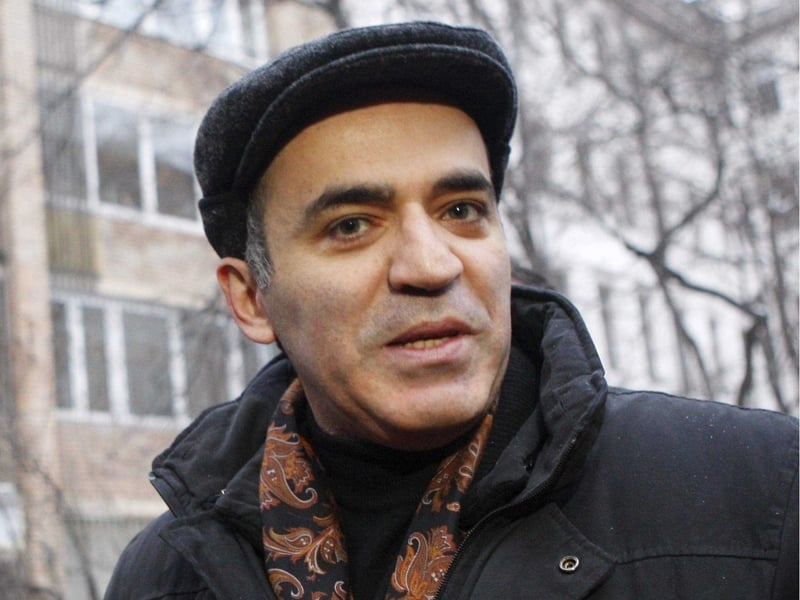
Former world chess champion and opposition leader Garry Kasparov accused Russian authorities of 'raping the whole electoral system' with numerous instances of irregularities.
Speaking to a crowd of mostly foreign reporters after casting a protest vote, Mr Kasparov said the opposition had evidence of ballot-stuffing and of threats to hospital patients and state workers unless they voted for pro-Kremlin parties.
International observers have abandoned plans to send a large team to monitor the poll, accusing the Russian authorities of putting obstacles in their way.
There are more than 95,000 polling stations, including 350 abroad.
Despite protests from Tbilisi, polling stations were located in Georgia's breakaway regions of Abkhazia and South Ossetia, where the majority of the population have Russian passports.
